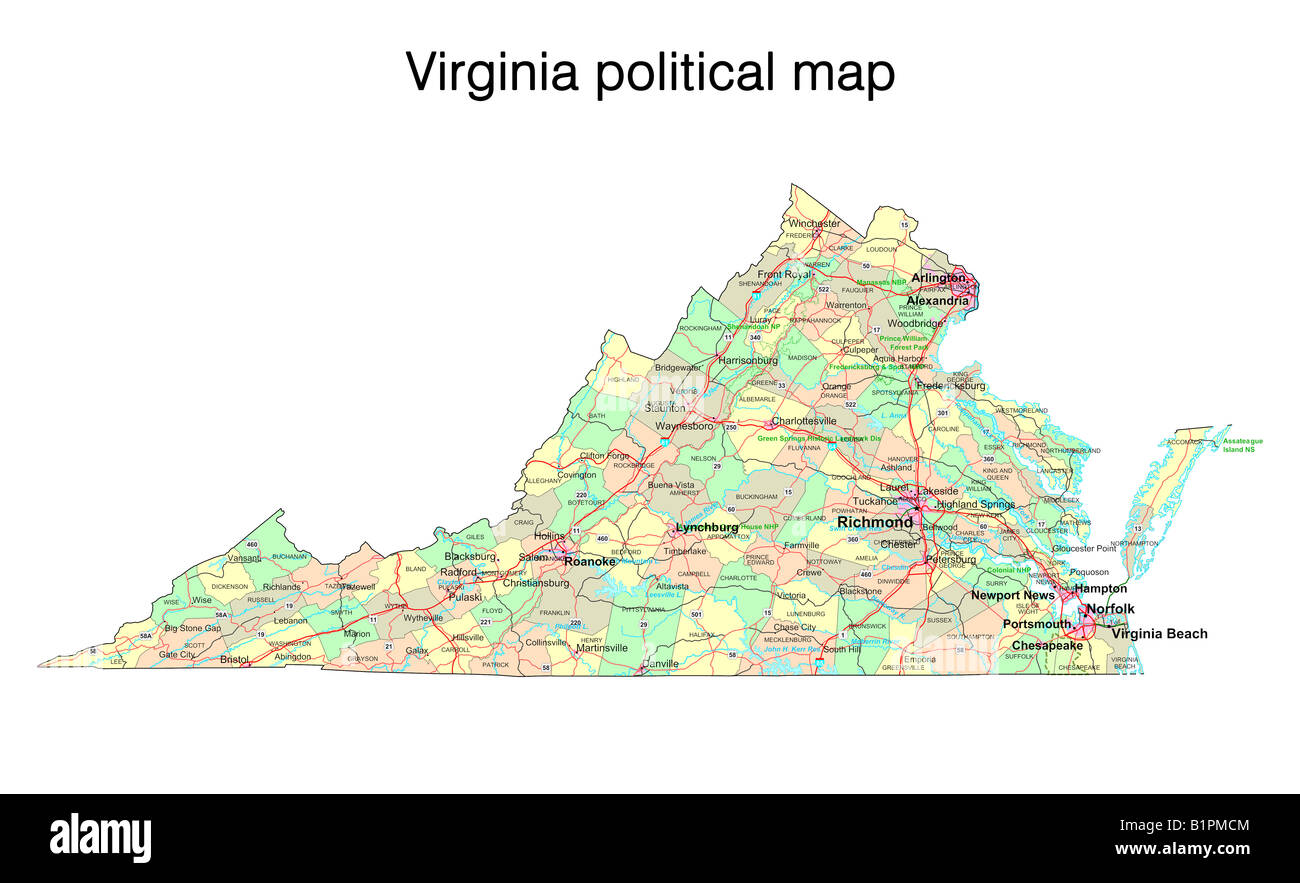
Finding Virginia court records doesn't require a law degree or an expensive private investigator. The Commonwealth of Virginia provides open public access to most judicial files, dockets, and historical case documents through centralized online portals and local court clerk offices. Whether you're tracking a civil lawsuit, checking traffic infractions, or conducting historical research, knowing where to look saves hours of frustration.
The fastest way to search is through the Virginia Judicial System Case Status portal, which houses online case management systems for the Supreme Court, Court of Appeals, Circuit Courts, and General District Courts. However, statewide databases don't contain everything. Different court levels maintain distinct records, and sensitive matters like family law or juvenile proceedings have strict privacy shields.
Understanding Virginia's Court Structure
Virginia splits its judicial responsibilities across several distinct court levels. Before you start typing names into a search box, you need to know which court handled the matter. Searching the wrong system yields zero results, even if a case exists.
Circuit courts act as the trial courts of general jurisdiction in Virginia. They handle felony criminal trials, civil claims involving large monetary damages, divorces, and land records. If you need records regarding property deeds or major criminal indictments, the local Circuit Court Clerk is your primary target.
General district courts manage traffic violations, misdemeanor criminal cases, and smaller civil claims where the disputed amount is relatively low. These courts process a massive volume of daily paperwork. Their online dockets update frequently, making them ideal for tracking speeding tickets or minor disputes.
Juvenile and domestic relations district courts handle cases involving minors, family abuse, custody disputes, and support obligations. Because these proceedings involve sensitive personal circumstances, public access is heavily restricted compared to standard civil or criminal dockets.
How to Search Court Cases Online
The Online Case Information System (OCIS) allows citizens to perform a Virginia court docket search from any internet-connected device. Follow these steps to find active or historical case files:
- Navigate to the official Virginia Judiciary Case Information website.
- Choose the specific court level that matches your target case, such as the General District Court or Circuit Court portal.
- Select the specific city or county locality where the legal action originated. Localities matter because Virginia maintains independent court jurisdictions for many cities and counties.
- Enter your search parameters. You can search by party name (last name first, followed by first name), specific case number, or scheduled hearing date.
- Review the resulting docket summary. It outlines the charges, filings, scheduled appearances, and final disposition or judgment.
If you're looking at General District Court cases, you can often pay traffic tickets or minor fines directly through the portal. For Circuit Court civil cases, attorneys use the electronic filing system, but public users can view dockets based on local system availability.
Accessing Records Not Found Online
Digital databases are convenient, but they have limits. Older records predating the digital shift, complex exhibits, and physical evidence require direct interaction with the courthouse.
Every jurisdiction operates under the oversight of a local Clerk of Court. If an online search turns up empty or you need certified copies for legal proceedings, contact the clerk's office in the county or city where the court sits. You can inspect physical files in person during regular business hours or submit formal written public records requests.
Keep in mind that while viewing physical files on-site is generally free, requesting certified copies requires paying statutory duplication fees. Call ahead to confirm whether the clerk requires an appointment to pull archived paper files from storage facilities.
Exemptions, Sealed Files, and Privacy Limits
Virginia law ensures open governance, but public access isn't absolute. Certain files are sealed or redacted to protect individuals and maintain legal integrity.
- Juvenile identities: Records involving minors are routinely shielded from public view to prevent long-term harm to children.
- Medical and personal identifiers: Social security numbers, financial account details, and private medical histories are redacted from public filings.
- Protective orders: Judges can seal specific exhibits, witness testimonies, or entire case files if public disclosure compromises an ongoing investigation or threatens personal safety.
- Expunged criminal charges: If a criminal charge is dropped, dismissed, or results in an acquittal, the individual can petition to have the record expunged, removing it from public view entirely.
Common Mistakes to Avoid
Navigating state legal databases trips up many first-time users. Avoid these common pitfalls to keep your search efficient:
- Searching the wrong locality: Because Virginia separates cities and counties into distinct jurisdictions, searching "Fairfax" instead of "Fairfax County" or vice versa will cause your search to fail. Always verify the exact municipal boundary.
- Trusting third-party aggregators: Commercial background check sites often feature outdated case statuses or mixed-up files. Always cross-reference findings with the official state portal.
- Ignoring naming conventions: Entering names incorrectly (such as writing "John Smith" instead of "Smith, John") will break search queries on older court software. Use wildcard characters or broaden your search if initial results fail.
Frequently Asked Questions
Can I look up someone's complete criminal history online in Virginia?
No. Statewide online portals show active criminal and traffic dockets in district courts and select circuit courts, but a comprehensive criminal history check (a background check) must go through the Virginia State Police Central Criminal Records Exchange, which has strict authorization rules.
Are divorce records fully open to the public?
While divorce filings are handled in Circuit Courts and generate public dockets, specific financial disclosures, custody agreements, and sensitive testimonies within the file are frequently restricted or sealed to protect family privacy.
Is there a fee to search Virginia court cases online?
Searching the standard online case information systems provided by the Virginia Judiciary is generally free for basic dockets. However, obtaining certified document copies, downloading specialized land records, or using subscription-based bulk data tools involves fees.
What should I do if a public records request is denied?
If a local clerk or state agency denies access to a specific record, they must provide a written legal justification based on statutory exemptions. If you believe the denial violates public access laws, you can contact the Virginia FOIA Advisory Council for guidance.



