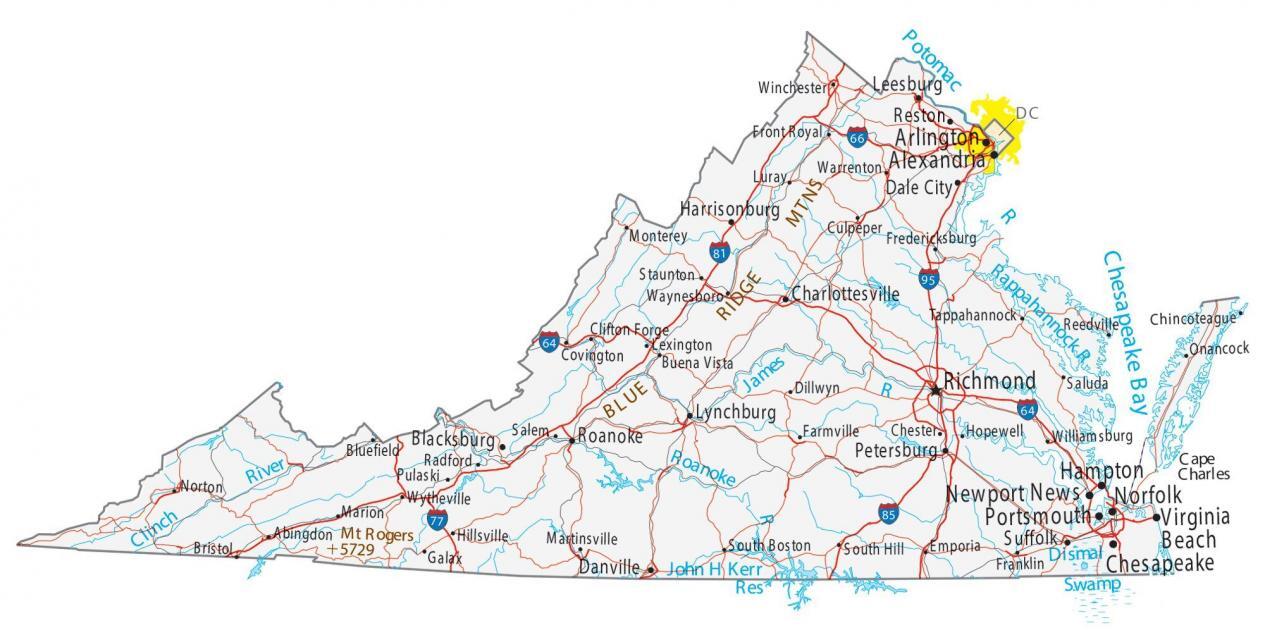
Virginia is officially a constituent state of the United States, sitting in the Mid-Atlantic and Southeastern regions. It joined the Union as one of the original thirteen colonies and ratified the U.S. Constitution on June 25, 1788. Yet, beneath its modern status as a standard American state lies a unique legal framework: Virginia is legally a commonwealth rather than a standard "state" in its foundational documents, a title it shares with only three other U.S. states.
Understanding Virginia's place in the American framework requires looking past simple geography. Its constitutional identity, colonial roots, and cultural moniker as the Old Dominion define a legacy that helped shape the entire country. This analysis breaks down how Virginia functions within the U.S. legal system, why its commonwealth designation matters, and how its cultural footprint evolved.
The Constitutional Status of Virginia
Virginia is an equal state under the U.S. Constitution, possessing the same sovereign rights, federal representation, and constitutional obligations as Texas, California, or any other member of the Union. However, its state constitution establishes it as a commonwealth.
What a Commonwealth Designation Means
The term commonwealth is largely historical and symbolic in modern American law. It does not grant Virginia any special legal privileges or exemptions from federal oversight. Instead, it reflects a political philosophy rooted in English common law, where the term implied a government organized for the common good of the public.
When Virginia declared independence from Great Britain in May 1776—predating the Declaration of Independence by more than a month—its founders drafted a constitution that established a government derived from the people rather than a crown. Four states currently use the commonwealth designation:
- Virginia
- Pennsylvania
- Massachusetts
- Kentucky
Legally, all four operate identically to states. Cases heard before the U.S. Supreme Court treat commonwealths and states with absolute legal parity.
Statehood and Constitutional Ratification
Virginia’s path to the modern U.S. constitutional structure was foundational. Delegates from Virginia, such as James Madison and George Washington, were instrumental in drafting the U.S. Constitution at the Philadelphia Convention in 1787.
Ratification in Virginia was far from guaranteed. Fierce debates erupted between Federalists, who favored a strong central government, and Anti-Federalists like Patrick Henry, who feared a consolidated republic would trample individual liberties. Virginia ratified the document narrowly on June 25, 1788, becoming the tenth state to join the new union. Crucially, Virginia's ratification convention accompanied its vote with proposed amendments that eventually formed the basis of the Bill of Rights. You can read more about these founding documents directly through the National Archives.
The Cultural Legacy of the Old Dominion
Long before the American Civil War or the industrial expansion of the 20th century, Virginia earned the nickname the Old Dominion. This title shapes its cultural identity today, bridging its colonial past with its status as a powerhouse in American political history.
Origins of the Old Dominion Nickname
The moniker dates back to the mid-17th century during the English Civil War. While England was torn apart by conflict between Parliament and the Crown, Virginia remained fiercely loyal to the monarchy of Charles I. After Charles I was executed in 1649, exiled supporters and royalists fled to Virginia in large numbers.
King Charles II, upon regaining the English throne in 1660, supposedly rewarded Virginia's loyalty by granting it the status of his "Old Dominion," recognizing it as his oldest and most loyal overseas possession. While historians debate whether a formal royal decree was ever issued, the nickname stuck and became a point of deep civic pride.
The Birthplace of Presidents
Virginia's cultural weight in early American history stems heavily from its output of early political leaders. Four of the first five U.S. presidents—George Washington, Thomas Jefferson, James Madison, and James Monroe—were native Virginians. This concentration of leadership earned the state another informal title: the Birthplace of Presidents.
These figures didn't just hold office; they shaped the legal and philosophical architecture of the United States. Jefferson authored the Declaration of Independence and championed religious freedom, while Madison penned the foundational drafts of the Constitution. Their plantation homes—such as Jefferson's Monticello and Washington's Mount Vernon—remain major cultural touchstones.
Governance and Legal Particularities Within the US
While Virginia is fully integrated into the federal system, its internal legal organization maintains quirky remnants of its colonial past that distinguish it from other states.
Independent Cities
One of Virginia's most unique administrative features is its complete separation of cities and counties. In most U.S. states, cities exist within counties and share local government services, taxation, and infrastructure management.
In Virginia, by state constitutional law, any incorporated city is completely independent of the county that surrounds it. If you live in an independent city like Richmond, Roanoke, or Norfolk, you do not pay county taxes, and your local government handles all municipal and county-level services. This structural quirk creates distinct planning and taxation dynamics across the state.
Dillon’s Rule and Local Authority
Virginia strictly follows Dillon's Rule, a legal principle stating that local governments only possess powers explicitly granted to them by the state legislature. If a city or county council wants to pass an ordinance on an issue not explicitly authorized by state statute, they cannot do so. This contrasts with states that grant "home rule," giving local municipalities broad autonomy over their own affairs.
Common Misconceptions About Virginia's Status
Because terminology in American politics can be confusing, several myths persist regarding Virginia's place in the nation.
Is Virginia an Independent Territory?
No. Some people confuse the term "commonwealth" with U.S. territories like Puerto Rico or Guam, which lack voting representation in Congress and full statehood rights. Virginia is a fully enfranchised U.S. state with two U.S. Senators and eleven members in the House of Representatives. Its citizens vote in federal presidential elections just like residents of any other state.
Did Virginia Permanently Leave the US?
During the American Civil War, Virginia did secede from the Union, joining the Confederate States of America in April 1861. Richmond served as the capital of the Confederacy. However, this secession was treated by the federal government as legally void. Following the Civil War and a period of military reconstruction, Virginia was formally readmitted to representation in Congress in January 1870. The western counties of Virginia, loyal to the Union, split off during the war to form West Virginia, which was admitted as a separate, legitimate state in 1863.
Frequently Asked Questions
Is Virginia a state or a territory?
Virginia is a fully functioning U.S. state. The word "commonwealth" in its official title is simply a historic descriptor with no legal difference from states like New York or California.
Why is Virginia called a commonwealth?
The designation dates back to 1776, when Virginia declared its independence from Great Britain. The founders chose "commonwealth" to emphasize a political system dedicated to the common welfare of the public rather than rule by a monarch.
Does Virginia have the same legal rights as other states?
Yes. Virginia possesses absolute constitutional parity with every other state, including equal representation in the U.S. Senate and the Electoral College.
When did Virginia officially join the United States?
Virginia ratified the U.S. Constitution on June 25, 1788, becoming the tenth state to join the newly formed federal union. To explore official state resources and government services, visit the State of Virginia Official Website.



