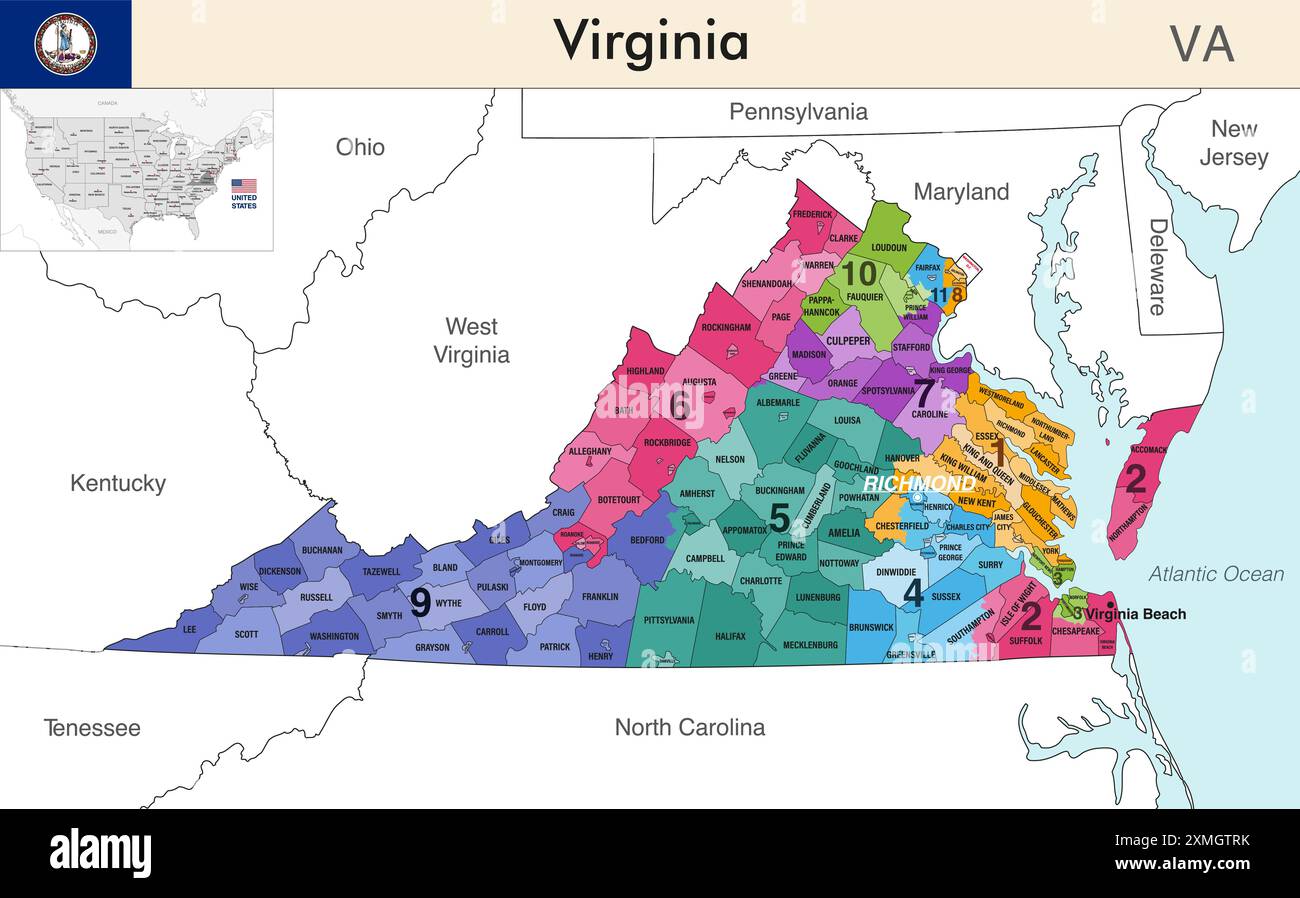
Finding court records in the Commonwealth of Virginia doesn't have to mean standing in line at a local courthouse. The Office of the Executive Secretary of the Supreme Court of Virginia provides official online portals that let you search active and closed dockets using a party's name. Yet, navigating these public portals requires understanding which court system handles your case, because Virginia doesn't use a single unified statewide search engine for every type of litigation.
Public access laws in Virginia are governed by specific state statutes rather than standard Freedom of Information Act requests, meaning certain case types, family law matters, and juvenile files remain heavily restricted. Whether you're tracking a civil dispute, checking traffic tickets, or conducting background research, knowing where to look saves hours of frustration.
Understanding the Virginia Court Structure
Before typing a name into any search bar, you need to identify which court division holds the records. Virginia's judicial system is split into distinct tiers, and each maintains separate electronic databases with different rules for public access.
The General District Courts handle traffic violations, misdemeanor criminal cases, and civil claims where the disputed amount is relatively low. Their online case information system allows free name searches by locality.
The Circuit Courts manage felony criminal trials, major civil lawsuits with high financial stakes, divorces, and land records. Unlike district courts, Circuit Court online systems vary widely by county and city. Some jurisdictions restrict remote civil case file viewing to licensed attorneys, requiring everyday citizens to visit courthouse terminals in person.
The Juvenile and Domestic Relations District Courts handle family matters, custody disputes, and offenses involving minors. Records here are strictly confidential. You won't find juvenile files via public online name searches, as these files protect personal privacy.
How to Perform a Name Search Online
To look up records through official state channels, use the Virginia Court System Online Services portal. Follow these steps to execute a basic name search:
- Select the court tier matching your case type—choose General District Court for minor offenses or civil claims, or the Circuit Court portal for felonies and higher civil disputes.
- Choose the specific locality where the case took place, such as Fairfax County, Richmond, or Virginia Beach. Statewide searches are limited or unavailable for many local civil dockets.
- Enter the party's name, putting the last name first followed by the first name, as formatted by the search tool guidelines.
- Complete the security verification prompt (such as a CAPTCHA or text code) required to prevent automated scraping.
- Review the results list, matching middle initials, dates of birth, or case numbers to ensure you're looking at the right individual.
Legal Limits and Restricted Records
Not everything filed in a Virginia courthouse is open to public inspection. State privacy laws and court orders place hard boundaries on what you can view online or request in person.
Expunged criminal records vanish from public view entirely. If a charge was dismissed, nolle prossed, or the defendant was acquitted, they can petition the court to seal the record so it doesn't appear in name searches.
Civil case file documents, particularly in Circuit Courts, often restrict remote access for non-attorneys. While you can see that a lawsuit exists and check the docket entries, reading the actual scanned PDF exhibits or pleadings may require a trip to the clerk's office public terminals.
Adoptions, mental health commitments, and protective orders also carry strict confidentiality protections. These files are shielded to protect sensitive personal data and safety concerns.
Common Mistakes to Avoid
Searching for common names often yields dozens of unrelated results, making accurate identification difficult. Avoid relying solely on a first and last name if the individual has a common moniker. Always cross-reference middle names, approximate ages, or geographic locations within Virginia.
Another frequent mistake is searching the wrong court level. If you're looking for a felony indictment in a district court search engine, you won't find it because felonies must be certified up to the Circuit Court.
Finally, don't trust third-party data broker sites that promise instant nationwide background checks for a fee. Official Virginia court data comes directly from the Supreme Court of Virginia Office of the Executive Secretary and local clerks—relying on scraped commercial aggregators often leads to outdated or inaccurate case statuses.
Frequently Asked Questions
Can I look up criminal records for free online in Virginia?
Yes, adult criminal and traffic case information in the General District Courts and select Circuit Courts can be searched online at no cost through the official state judiciary portals.
Why can't I see civil case documents from home?
Virginia Circuit Courts limit remote electronic access to full civil case file documents to members of the Virginia State Bar. To view complete unsealed civil files without being an attorney, you must visit the public computer terminals located inside the local courthouse.
Are traffic tickets visible on a name search?
Yes. General District Court online case systems include traffic infractions. You can search by name or ticket number to view payment statuses, hearing dates, and court dispositions.
How do I find out if a record has been expunged?
Expunged records are legally sealed and erased from public databases. Once a court grants an expungement order, the records will no longer appear on public name search portals run by the state.



