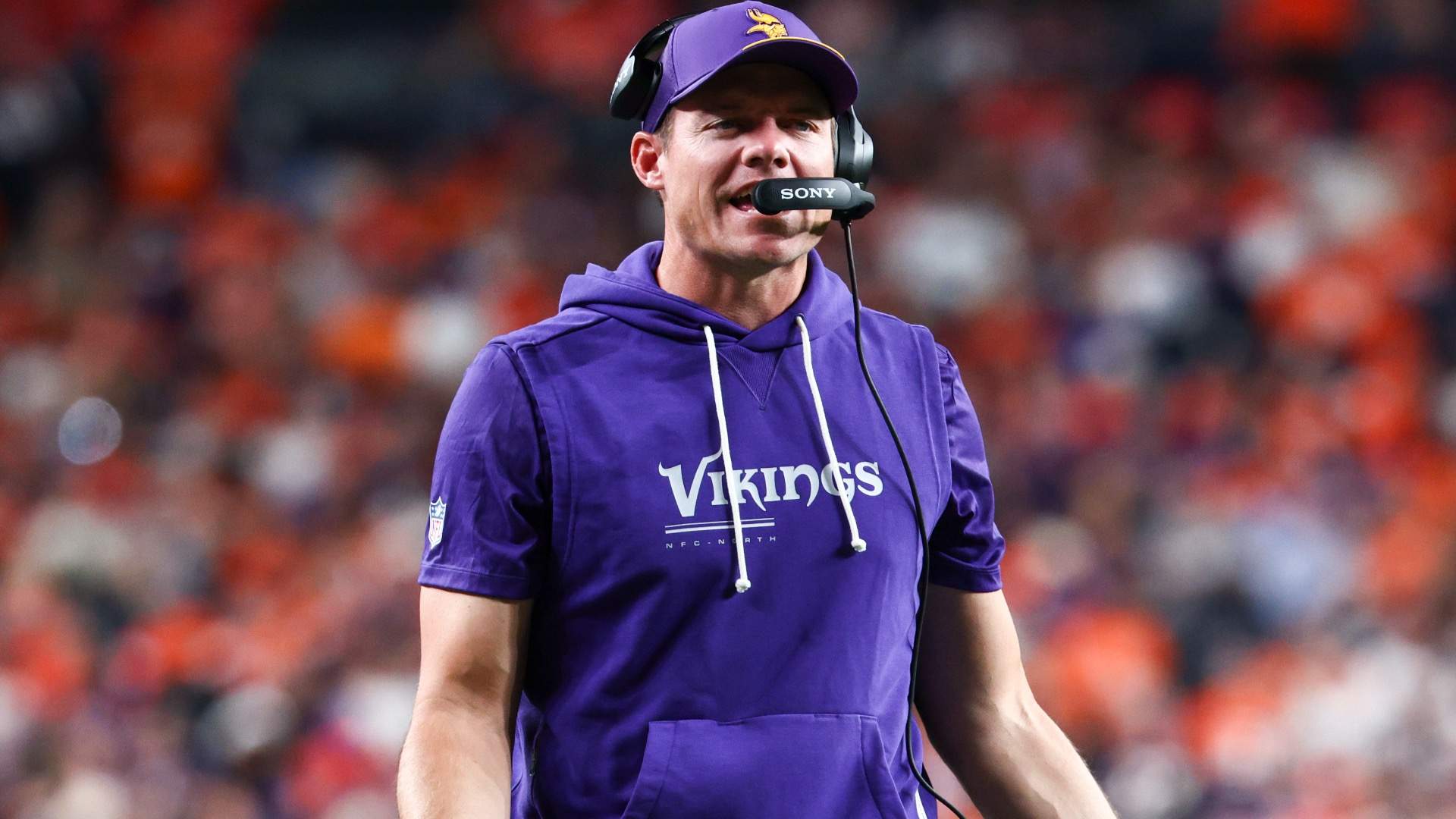
When a viral post claims that an NFL superstar has secretly funded a prominent political figure's family, the internet reacts instantly. In September 2025, social media feeds filled with a surprising rumor linking Minnesota Vikings wide receiver Justin Jefferson to conservative activist Charlie Kirk. According to the viral narrative, Jefferson had supposedly stepped forward to cover all living and educational expenses for Kirk's children following Kirk's death.
This claim was entirely false. Neither Justin Jefferson nor the Minnesota Vikings organization made any such pledge, and the rumor originated entirely from unverified social media fabrication. Yet, the rapid spread of this story highlights a broader modern phenomenon: the uneasy, often volatile intersection of professional sports, high-profile athletes, and hyper-polarized political media ecosystems.
The Anatomy of a Viral Sports Hoax
Modern digital culture thrives on emotional velocity. When major news breaks outside of sports, misinformation actors frequently leverage the massive, trusting audiences of mainstream sports stars to amplify fictional narratives.
In this case, the false linkage between Jefferson and Kirk spread across platforms like Facebook and X (formerly Twitter) because it played on two powerful psychological triggers:
- The Appeal to Charity: Fans are naturally inclined to share stories that paint their favorite athletes as generous or compassionate.
- Cross-Silo Shock Value: Pairing an apolitical athletic icon with a divisive political commentator creates an unexpected headline that draws immediate clicks and shares.
Fact-checking organizations, including Snopes, quickly debunked the rumor by consulting team representatives and reviewing public statements. The Minnesota Vikings confirmed that no financial pledge had been made or discussed, putting the rumor to rest for media consumers who looked past the headlines.
Why Athletes Become Unwilling Magnets for Political Narratives
Justin Jefferson is far from the first professional athlete pulled into political or cultural discourse against his will. Elite sports figures possess massive public visibility, making them prime targets for fake news creators seeking engagement metrics.
Unlike coaches or league executives who might issue direct commentary on societal shifts, top-tier players like Jefferson generally focus on their on-field performance, brand partnerships, and community outreach. When digital creators manufacture false narratives about these athletes, they exploit the public's desire to know where cultural titans stand on hot-button issues.
Furthermore, sports platforms have increasingly become battlegrounds for broader cultural debates. Whether it is discussions around player activism, stadium sponsorships, or social media commentary, fans bring their own political lenses to athletic achievements. This environment allows fabricated stories to gain traction before platforms or fact-checkers can intervene.
How to Spot and Verify Sports-Related Misinformation
Navigating today's media landscape requires a healthy skepticism toward viral screenshots and unsourced claims. When a surprising story breaks linking an athlete to a major political event, you can protect yourself from spreading misinformation by following a few practical steps:
- Check Primary Sources: Look for statements on the official websites or verified social media accounts of the athlete or their team. If major outlets like The Minnesota Star Tribune haven't reported it, treat the claim as suspicious.
- Evaluate the Motivation: Ask yourself if the story sounds engineered to provoke an intense emotional response or viral reaction rather than inform.
- Consult Dedicated Fact-Checkers: Rely on established verification databases to confirm whether viral social media graphics have been flagged as false.
Frequently Asked Questions
Did Justin Jefferson ever comment on Charlie Kirk?
No. Justin Jefferson did not issue any public statements regarding Charlie Kirk, and his representatives confirmed that the viral rumors regarding financial pledges were entirely false.
How do false rumors about athletes usually spread?
Misinformation typically starts with unverified accounts on platforms like Facebook or X, using emotionally charged language or fabricated quotes to drive engagement and shares before traditional sports journalists can verify the facts.
What should I do if I see a shocking sports headline on social media?
Pause before sharing, look for corroboration from reputable news organizations or official team press releases, and check specialized fact-checking websites to verify the claim's authenticity.


