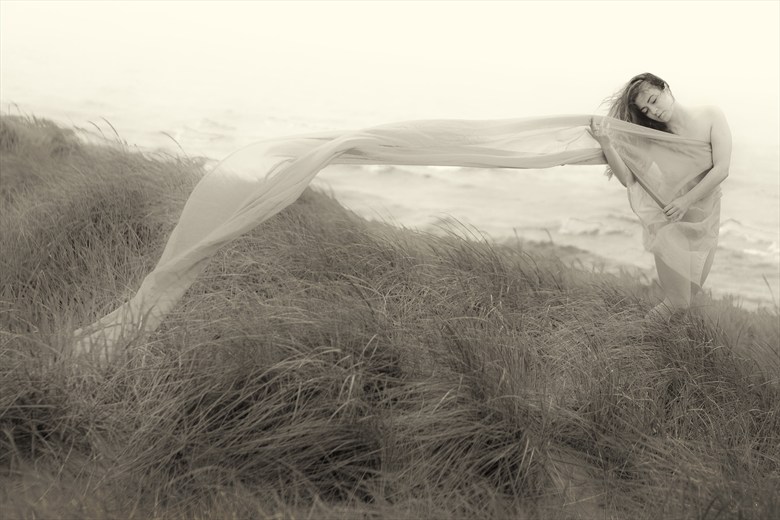
Victoria Beckham has long commanded the fashion spotlight, shifting from pop stardom to respected luxury design through rigorous tailoured minimalism. Editorial appearances often lean into stark imagery, where clothing or the deliberate absence of it functions as a design medium. When public figures utilize minimal aesthetics to make a statement, it challenges traditional media framing and focuses attention strictly on form, structure, and personal agency.
Examining this editorial approach reveals how modern icons use visual minimalism to redefine public narratives. Rather than relying on seasonal trends or overt ornamentation, the focus shifts toward silhouette, texture, and intentional self-presentation. This piece breaks down the mechanics of fashion minimalism, how editorial framing shapes public perception, and why stripped-back aesthetics continue to dominate modern design philosophy.
The Evolution of Victoria Beckham's Minimalist Aesthetic
Victoria Beckham's namesake label launched in 2008 with a tight collection of structured dresses, gradually expanding into a full luxury house known for clean lines and sophisticated tailoring. This design journey mirrors a personal transition away from high-gloss pop culture toward quiet luxury.
- Structured Tailoring: Sharp cuts and architectural silhouettes form the backbone of her collections, prioritizing fit over flash.
- Monochromatic Palettes: Sticking to neutral tones like black, white, camel, and navy allows form and fabric texture to take precedence.
- Subtle Refinement: Eschewing loud logos in favor of quiet craftsmanship establishes credibility within the contemporary luxury market.
Her design language relies heavily on subtraction. By removing extraneous details, every seam and dart must serve a distinct purpose. This commitment to restraint creates an enduring wardrobe rather than disposable fast-fashion items. You can explore her brand's philosophy directly on the Victoria Beckham Official Site.
Why Strip-Back Editorials Resonate in Modern Fashion
When fashion publications feature stripped-back or conceptual imagery, it sparks intense cultural conversation. Stripping away garments entirely or opting for extreme minimalism forces the viewer to confront silhouette and posture without the distraction of clothing.
Historically, fashion editorials used complex styling to convey narrative. Contemporary minimalist direction flips this script. By focusing on raw form, publications highlight physical presence and intentionality.
- Focus on Autonomy: Removing external styling elements places total authorship back onto the subject, emphasizing control over how the body is viewed.
- Rejection of Artifice: Audiences increasingly fatigue of over-engineered spectacles, finding authenticity in stark, unfiltered visual statements.
- Sculptural Interpretation: The human form is treated as living architecture, bridging the gap between high fashion photography and classical sculpture.
Major style publications routinely feature such conceptual layouts to challenge industry norms. For ongoing industry commentary, outlets like Vogue frequently analyze how minimalism influences modern runway trends and editorial direction.
Common Misconceptions About Minimalist Fashion
Minimalism is frequently misunderstood as boring, effortless, or lacking creativity. In practice, true minimalism requires immense precision because flaws cannot be hidden behind layers of embellishment.
- Myth: Minimalism means zero effort. Reality: Achieving a clean, effortless look requires meticulous tailoring and high-grade materials.
- Myth: It is exclusively monochromatic. Reality: Minimalist palettes can include bold primary colors, provided the overall silhouette remains uncluttered.
- Myth: Minimalist clothes are uncomfortable. Reality: Clean cuts often prioritize ergonomics, utilizing drape and stretch for fluid movement.
Designers who master this discipline understand that every millimeter matters. Without prints or textures to mask poor construction, the garment must stand entirely on its architectural integrity.
Frequently Asked Questions
What defines Victoria Beckham's design style?
Her style is defined by clean lines, structured tailoring, luxurious fabrics, and a sophisticated minimalist color palette that emphasizes modern femininity and ease.
Why do fashion designers use minimalist editorial imagery?
Minimalist imagery strips away distractions, allowing viewers to focus purely on form, proportion, posture, and the artistic intent behind the shoot.
How has Victoria Beckham's public image changed over time?
She transitioned from a global pop icon and tabloid fixture into a serious, critically acclaimed luxury fashion designer respected for her business acumen and distinct aesthetic.
Is minimalism still relevant in contemporary fashion?
Yes, minimalism remains a cornerstone of modern luxury, especially as consumers increasingly value timeless wardrobe investments over fast-moving seasonal trends.



