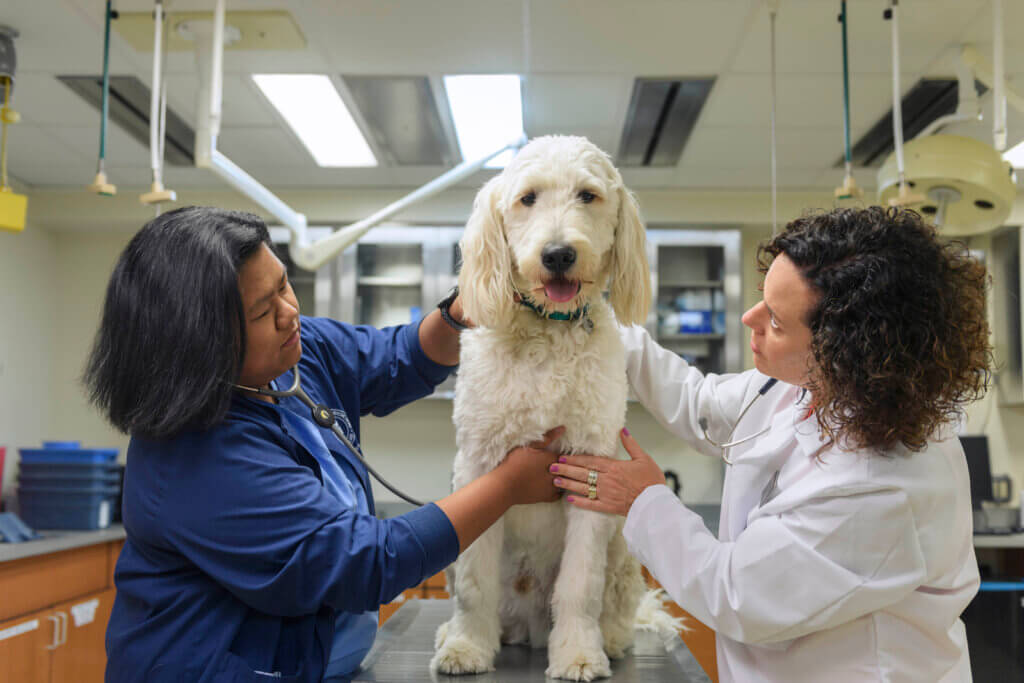
Landing a placement abroad shapes how you practice medicine, and veterinary internships in Denmark offer an unmatched look into progressive animal husbandry, high-welfare livestock production, and advanced small animal care. If you're eyeing this Scandinavian nation for hands-on clinical or agricultural experience, you need to understand the structural realities, legal requirements, and application procedures before sending out your CV.
Denmark is globally recognized for its strict animal welfare standards, innovative veterinary research, and intensive swine and dairy sectors. Securing a spot in a Danish clinic, research facility, or specialized agricultural enterprise requires navigating specific visa rules, language dynamics, and credential verifications. This guide breaks down what to expect, how to qualify, and how to maximize your chances of success.
Understanding Veterinary Training and Internships in Denmark
The landscape of animal care in Denmark centers around high-efficiency production systems and meticulous companion animal medicine. The primary hub for veterinary education in the country is the University of Copenhagen (KU), which houses the Department of Veterinary and Animal Sciences. While degree programs are largely conducted in Danish, the professional veterinary community is exceptionally proficient in English, making clinical and research placements accessible to international applicants.
Internships generally fall into three distinct categories:
- Clinical Small Animal Internships: Placements in private veterinary hospitals focusing on canine, feline, and exotic pet medicine. These are competitive and typically targeted at graduating veterinary students or recent graduates.
- Livestock and Production Animal Placements: Focus on swine production, dairy herd health, and equine medicine. Given Denmark's standing as a major agricultural exporter, these positions offer deep exposure to herd management and biosecurity protocols.
- Research and Academic Fellowships: Short-term placements at university laboratories or private research centers focusing on veterinary pathology, infectious diseases, or food safety.
Core Requirements for International Applicants
Meeting the baseline qualifications is the first hurdle. Because veterinary medicine is a regulated profession, the scope of what an intern can legally do depends entirely on whether they hold a recognized veterinary degree or are currently enrolled as a student.
If you are still a student completing your clinical rotation requirements, your home university must maintain an active cooperative agreement or liability insurance arrangement with the host institution in Denmark. For graduates seeking postgraduate internships, authorization or limited licensure rules from the Danish Veterinary and Food Administration (Fødevarestyrelsen) apply if you intend to perform independent medical procedures.
Key prerequisites typically include:
- Educational Status: Enrollment in an accredited veterinary medicine degree or possession of a recognized DVM/BVSc.
- Language Proficiency: While Danish isn't always mandatory for research or specialized hospital internships, conversational English is essential. For farm or mixed-practice settings, learning basic Danish terminology accelerates integration.
- Legal Authorization: Non-EU/EEA nationals must secure the appropriate residence and work permits, such as a trainee or internship visa processed through SIRI (The Danish Agency for International Recruitment and Integration).
The Application Process Step-by-Step
Securing a competitive placement requires a proactive approach. Clinics and agricultural enterprises rarely post openings on mainstream job boards; many rely on direct outreach or university career networks.
- Audit Your Documentation: Update your CV to highlight relevant handling experience, anesthesia monitoring, lab competencies, and species-specific exposure. Prepare a tailored motivation letter explaining why you want to train in Denmark specifically.
- Identify Host Facilities: Research private veterinary groups, university teaching hospitals, or specialized agricultural placement agencies that sponsor international trainees.
- Initiate Direct Outreach: Reach out to practice managers or chief veterinarians 6 to 9 months in advance. Clearly state your available dates, funding status, and learning objectives.
- Secure Legal and Financial Logistics: Once accepted, finalize your housing, health insurance, and visa sponsorship paperwork well ahead of your arrival date.
Common Mistakes to Avoid
Applicants often stumble by treating a Scandinavian placement like a standard domestic externship. Avoid these frequent missteps to ensure a smooth transition:
- Underestimating Visa Timelines: Non-EU visa approvals through SIRI can take several months. Waiting until a month before your start date to apply for paperwork will result in missed rotations.
- Ignoring Biosecurity Protocols: Danish livestock facilities enforce rigorous biosecurity measures to prevent disease transmission. Failing to respect quarantine rules or hygiene protocols during farm placements will lead to immediate dismissal.
- Assuming Full Surgical Independence: International student interns are generally restricted to observation, assisted procedures, and primary nursing care unless explicitly licensed under the supervision of a local veterinarian.
Frequently Asked Questions
Do I need to speak fluent Danish to get a veterinary internship?
No. Most veterinary teams, referral hospitals, and research facilities operate comfortably in English. However, learning basic Danish phrases helps when interacting with farm owners or local clients in rural mixed practices.
Are veterinary internships in Denmark paid?
Compensation varies widely. Clinical student externships are typically unpaid or offer a small living stipend. Agricultural and livestock trainee positions are often structured under formal paid internship programs approved by Danish authorities.
Can I practice veterinary medicine independently with a foreign degree?
Not immediately. Practicing veterinary medicine independently requires formal recognition of your professional qualifications by the Danish authorities. Interns operate strictly under the license and supervision of a registered Danish veterinarian.
How far in advance should I apply?
You should begin networking, contacting clinics, and preparing your documentation at least 6 to 9 months before your anticipated start date to account for visa processing and housing arrangements.



