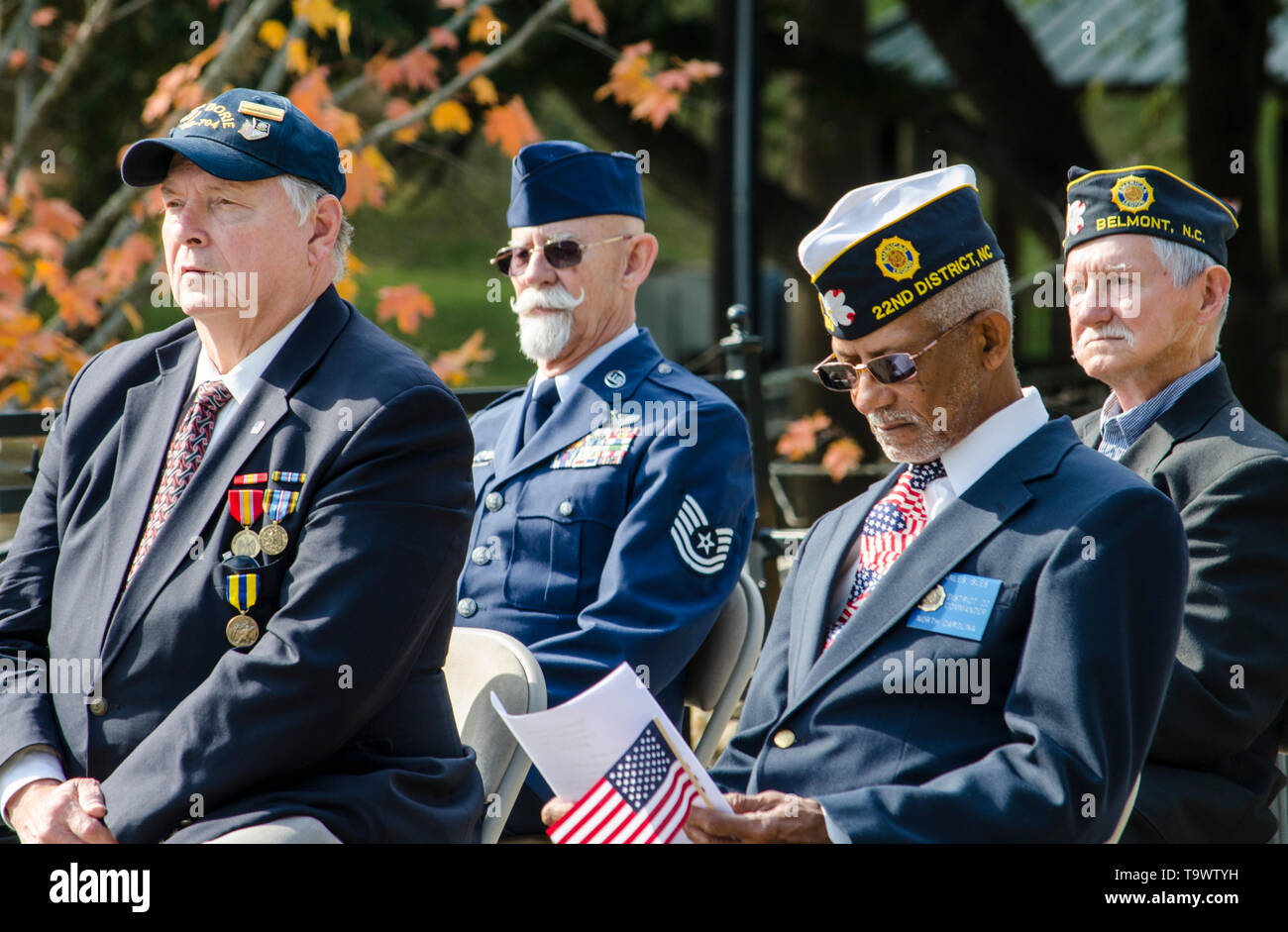
When Veterans Day school closures happen every November, they provide much more than just a convenient mid-semester break. They create structured time for communities to recognize military service and for students to learn about national history outside the traditional classroom setting.
Across the United States, public K-12 school districts, state universities, and federal institutions close their doors on November 11th. This alignment with the federal holiday schedule allows students, teachers, and families to participate in local parades, visit war memorials, and attend commemorative ceremonies that honor living military veterans.
Understanding Veterans Day and School Schedules
Veterans Day traces its roots back to the end of World War I. Major hostilities formally ended at the 11th hour of the 11th day of the 11th month in 1918, leading President Woodrow Wilson to proclaim November 11th as the original Armistice Day. Congress changed the name to Veterans Day in 1954 to honor American veterans of all wars, not just World War I.
Because it is an official federal holiday, public schools nationwide treat November 11th as a non-instructional day. However, academic schedules can vary depending on local municipal policies and school board calendars.
- Public Schools: Almost all public school districts close for the day, matching municipal and federal office closures.
- Private and Charter Schools: These institutions set their own academic calendars. While many follow public district closures, some remain open and instead host specialized in-school assemblies or history programs.
- Higher Education: Colleges and universities often cancel classes, though some keep administrative offices open or maintain different schedules depending on final exam periods and semester blocks.
According to the U.S. Department of Veterans Affairs, official federal observances dictate that if November 11th falls on a weekend, the federal holiday is observed on the closest weekday, which directly impacts whether school districts adjust their long-weekend calendars.
Why School Closures Matter for Civic Education
Closing schools on Veterans Day serves an educational purpose beyond giving students a day off. Educators use the days leading up to November 11th to teach history, civics, and the social impact of military service.
Instead of treating the date as a random break, many school districts incorporate specific projects into their curricula. Teachers invite local veterans to speak classrooms, assign oral histories involving family members who served, or organize letter-writing campaigns for active-duty service members deployed overseas.
These initiatives help bridge the gap between abstract textbook history and real human experiences. When students participate in community tributes, they gain a clearer understanding of the responsibilities tied to citizenship and community sacrifice.
How Families and Communities Observe the Day
When school doors close, communities activate local traditions to mark the occasion. Families often take advantage of the long break to engage in meaningful civic activities rather than just treating it as a standard weekend.
- Parades and Ceremonies: Major cities and small towns host annual parades featuring marching bands, local scout troops, and veteran organizations. Attending these events teaches children how local communities show respect.
- Veterans Memorial Visits: National parks, local war memorials, and historical sites experience higher visitor turnout on this day. Many sites offer guided educational tours specifically tailored for school-aged children.
- Volunteering: Families frequently spend the day volunteering at local VA hospitals, community food banks, or organizations that provide housing and support services to former service members.
Common Misconceptions About Veterans Day
People often confuse Veterans Day with other patriotic holidays, leading to misunderstandings about how schools handle closures and why we observe the day.
Some confuse Veterans Day with Memorial Day, which falls in late May. While Memorial Day specifically honors military personnel who died while serving in the U.S. armed forces, Veterans Day honors all American veterans who served honorably, living or deceased.
Another common confusion involves assuming that all schools close on the exact same schedule. Because school board governance happens at the local level, calendar adjustments for holidays can differ significantly between neighboring districts or across different states. Parents must always check their specific district portal rather than assuming uniformity.
Frequently Asked Questions
Are all public schools required to close on Veterans Day?
Most public school districts close because November 11th is a federal holiday. However, state laws and local school boards ultimately dictate the official academic calendar, meaning rare exceptions can occur based on regional weather make-up days or unique contract structures.
What should students do if their school stays open?
If a private or charter school remains open, it typically replaces standard classes with specialized assemblies, guest speaker panels, or historical presentations focused on the significance of military service.
How can parents find out if their local school is closed?
Parents should consult the official academic calendar posted on their local school district website. Districts publish these calendars months in advance to help families plan around non-instructional days and long weekends.
Is Veterans Day always celebrated on November 11th?
Yes. Unlike other federal holidays that shift to Mondays to create three-day weekends, Veterans Day is permanently fixed on November 11th to preserve its historical connection to the armistice of World War I.



