Eating more vegetables shouldn't feel like a guessing game. When you're trying to build a healthier plate, you need to know what you're buying, why it works for your body, and how to prep it without losing its nutritional value. Forget generic lists that just scratch the surface. Here is a practical, no-nonsense breakdown of vegetables from asparagus to zucchini, categorized by how they grow and what they actually do for you.
To make informed choices at the grocery store, it helps to understand that a vegetable's nutrient profile is largely tied to its plant structure. Roots store dense energy, leaves capture sunlight and heavy concentrations of vitamins, and botanical fruits pack unique antioxidants. Let's dive straight into the produce aisle.
Root and Tuber Vegetables
Root vegetables anchor the plant and store vital nutrients underground. Because they absorb minerals directly from the soil, they're typically rich in complex carbohydrates, prebiotic fibers, and essential micronutrients.
- Beets: These earthy roots are packed with dietary nitrates, which your body converts into nitric oxide. This compound helps relax blood vessels and supports healthy blood circulation. You can roast them, grate them raw into slaws, or pickle them.
- Carrots: Beyond the common beta-carotene story—which your liver converts into vitamin A for immune and eye health—carrots offer soluble pectin fiber that supports gut health.
- Radishes: Peppery and crisp, radishes add crunch with virtually zero metabolic burden. They contain sulfur compounds called glucosinolates, which support liver detoxification pathways.
- Sweet Potatoes: Distinct from standard white potatoes, sweet potatoes provide a slow-burning source of energy paired with high levels of potassium and carotenoids.
Leafy Greens and Petioles
Leafy greens are the undisputed heavyweights of micronutrient density. They deliver high concentrations of vitamins A, C, K, and folate per calorie.
- Arugula: With its sharp, peppery bite, arugula is rich in nitrates and glucosinolates. It wilts instantly when tossed into warm grains, making it an easy addition to weeknight dinners.
- Bok Choy: This cruciferous staple provides calcium, iron, and vitamins A and C. Its sturdy white stalks hold up well to quick stir-frying, while the leafy tops steam in seconds.
- Kale: A resilient green that thrives in cooler weather. It's loaded with quercetin and kaempferol, two potent flavonoids. Massage raw kale with olive oil and salt to break down its tough cell walls before eating.
- Spinach: A versatile green rich in non-heme iron and magnesium. Pairing spinach with a squeeze of lemon juice provides vitamin C, which significantly enhances your body's iron absorption.
- Swiss Chard: Recognized by its vibrant red, yellow, or white stems, chard is rich in antioxidants like syringic acid, which helps manage blood sugar levels.
Stalks and Stems
Stalk vegetables provide structural support for the plant, resulting in a high water content and a crisp, fibrous texture that promotes satiety.
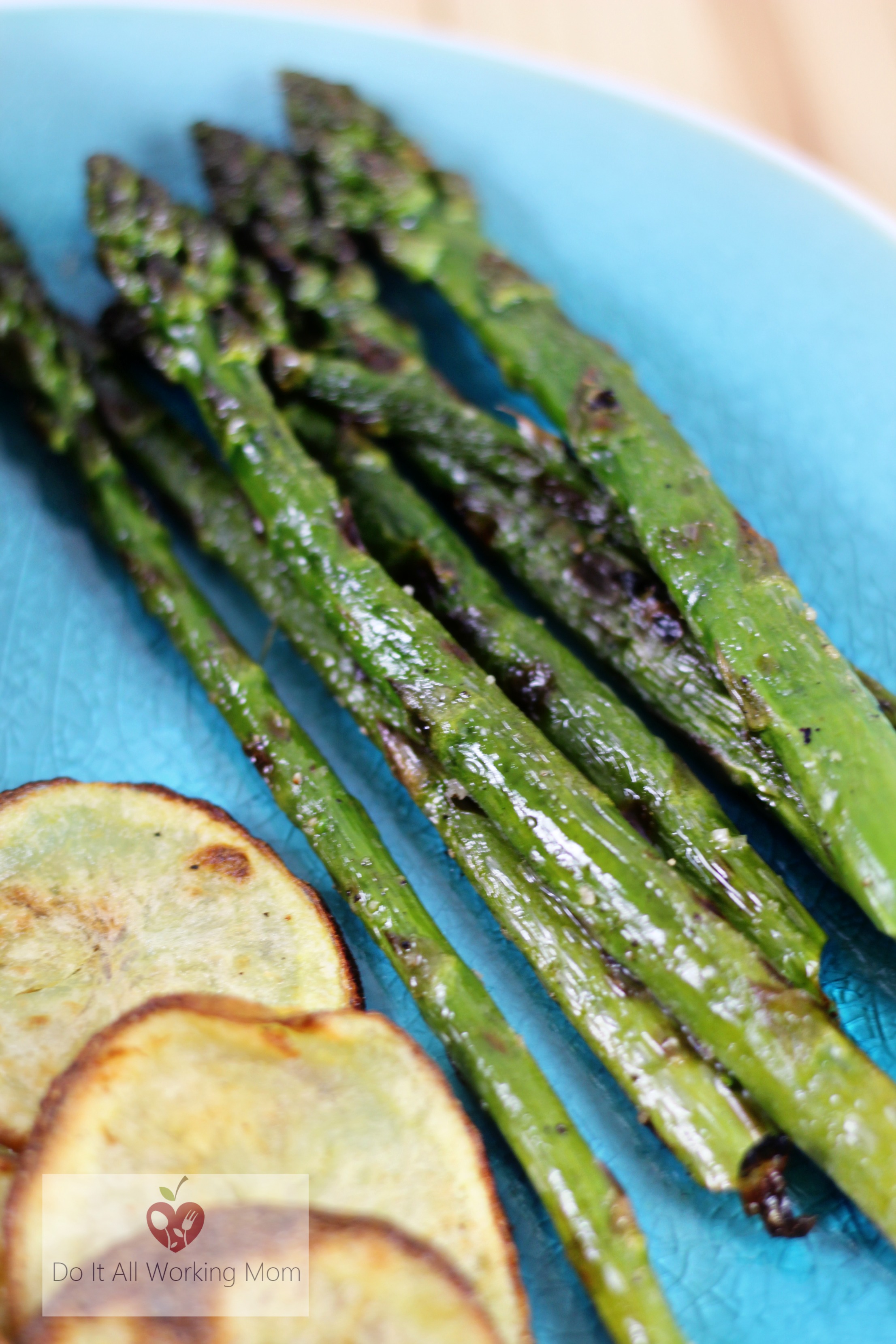
- Asparagus: A prized spring crop containing asparagine, an amino acid that acts as a natural diuretic. It's also rich in folate and vitamin K.
- Celery: Composed mostly of water and insoluble fiber, celery provides beneficial plant sterols and apigenin, an antioxidant studied for its anti-inflammatory effects.
- Fennel: Sporting a mild licorice flavor, fennel bulbs provide a crisp texture and anethole, an organic compound that gives the vegetable its distinct aroma and digestive-soothing properties.
- Kohlrabi: Often overlooked, this alien-looking bulbous stem tastes like a mild broccoli stem. It's exceptionally high in vitamin C and can be sliced thin for raw salads.
Flowers and Buds
This group consists of unopened flower buds harvested before they bloom. They are particularly rich in sulfur-containing compounds and unique phytonutrients.
- Artichokes: The immature thistle bud is one of the highest plant sources of dietary fiber and polyphenol antioxidants like cynarin, which stimulates bile production and supports digestion.
- Broccoli: A cruciferous staple rich in glucoraphanin, which converts into sulforaphane when chopped or chewed. Sulforaphane activates cellular antioxidant enzymes.
- Brussels Sprouts: Miniature cabbages that concentrate vitamins C and K into dense, bite-sized packages. Roasting them at high heat caramelizes their natural sugars and removes any bitter edge.
- Cauliflower: A culinary chameleon that takes on the flavors of whatever it's cooked with. It offers high levels of choline, an essential nutrient for brain health and cellular membrane integrity.
Botanical Fruits Grown as Vegetables
Culturally treated as savory vegetables, these plants develop from the flower and contain seeds. They bridge the gap between sweet hydration and savory depth.
- Avocado: Technically a single-seeded berry, avocados stand apart because their calories come predominantly from heart-healthy monounsaturated fats that help your body absorb fat-soluble vitamins from other foods.
- Bell Peppers: Red, yellow, and orange bell peppers are ripened green peppers, which explains their higher vitamin C and antioxidant counts. A single bell pepper easily covers your daily vitamin C requirement.
- Cucumbers: Made up of over 95 percent water, cucumbers offer crisp hydration along with cucurbitacins, compounds investigated for their potential metabolic benefits.
- Tomatoes: Rich in lycopene, a carotenoid pigment that becomes significantly more bioavailable to your body when tomatoes are cooked with a little healthy fat like olive oil.
- Zucchini: A summer squash that is mild, low in calories, and rich in manganese, supporting bone development and metabolic function.
Common Mistakes When Eating More Vegetables
Transitioning to a vegetable-centric diet is straightforward, but a few common missteps can derail your progress or leave you feeling bloated.
- Ignoring the fiber transition: If you suddenly jump from five grams of fiber a day to forty, your digestive tract will protest. Increase your intake gradually over two weeks and drink plenty of water.
- Over-boiling your greens: Submerging delicate vegetables in rolling water for too long leaches out water-soluble vitamins like vitamin C and the B-complex vitamins. Steam, roast, or quick-sauté instead.
- Drowning produce in heavy dressings: Loading a nutrient-dense salad with sugary, highly processed dressings often cancels out the metabolic benefits of the greens. Keep dressings simple with extra virgin olive oil, vinegar, salt, and herbs.
- Buying only fresh produce: Fresh produce spoils quickly, leading to food waste and guilt. Frozen vegetables are harvested at peak ripeness and flash-frozen, often retaining more nutrients than fresh produce that sat in transit for a week.
Frequently Asked Questions
Are frozen vegetables as nutritious as fresh ones?
Yes. Commercial freezing happens hours after harvest, locking in vitamins and minerals. In many cases, frozen spinach or broccoli beats fresh produce that has lingered on supermarket shelves for days.
Why do some vegetables cause bloating when eaten raw?
Raw vegetables contain tough cellular walls made of cellulose and complex fibers that require robust digestive enzymes to break down. If your gut isn't used to high fiber loads, lightly steaming or roasting vegetables softens these walls and makes them much easier to digest.
Does cooking destroy all the vitamins in vegetables?
It depends on the vitamin. Water-soluble vitamins like vitamin C and folate can leach into cooking water or break down with prolonged heat. However, fat-soluble vitamins and antioxidants like lycopene in tomatoes actually become easier for your body to absorb after cooking.
How can I make bitter greens taste better?
Bitterness comes from beneficial phytonutrients like glucosinolates. You can balance these flavors by pairing bitter greens like kale or mustard greens with acid (lemon juice, vinegar), fat (olive oil, parmesan), or a touch of natural sweetness like roasted garlic or balsamic glaze.



