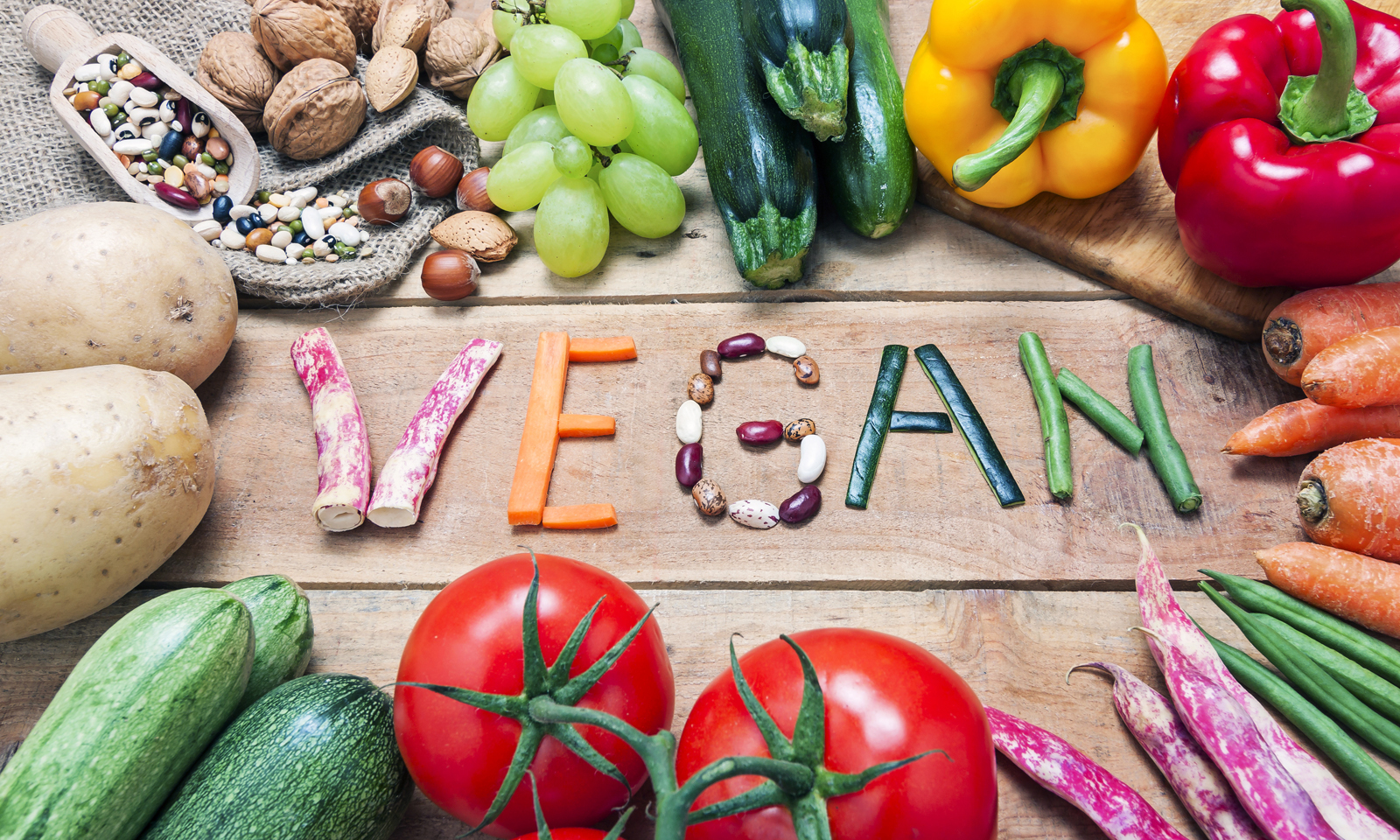
Building serious muscle mass without animal products comes down to managing two variables: hitting your total daily protein threshold and maintaining a slight caloric surplus. While omnivores rely on chicken breasts and whey powder, plant-based athletes use whole-food proteins, concentrated grains, and strategic supplements to achieve the exact same muscle protein synthesis rates.
The main obstacle isn't whether plants can build muscle—science confirms they can—it's managing food volume and digestion. Plant foods are packed with fiber, which fills your stomach before you hit your daily calorie and protein goals. Overcoming this requires choosing calorie-dense, high-protein plant foods and scheduling your meals properly.
Protein Quality and Amino Acid Pairing
Muscle protein synthesis relies on the presence of all nine essential amino acids. While animal proteins are complete, most plant proteins lack sufficient amounts of one or more specific amino acids—most commonly lysine or methionine.
You don't need to combine complementary proteins in every single meal. Your body maintains an amino acid pool over a 24-hour window. Eating a varied diet that includes grains, legumes, and soy products throughout the day ensures your muscles get everything they need for repair and growth.
- Soy Products: Tofu, tempeh, and edamame are complete proteins that match the biological value of meat.
- Seitan: Made from wheat gluten, seitan packs around 25 grams of protein per 100-gram serving.
- Legumes and Grains: Pairing lentils, chickpeas, or black beans with brown rice, quinoa, or spelt covers your complete amino acid bases effortlessly.
Calculating Daily Macronutrient Targets
To build muscle mass, you need a daily caloric surplus of roughly 300 to 500 calories above your maintenance level. Consuming too many calories leads to unnecessary fat gain, while too few stall your strength progression.
- Protein: Aim for 1.6 to 2.2 grams of protein per kilogram of body weight daily. For an 80-kilogram lifter, this equals 130 to 175 grams of protein.
- Carbohydrates: Target 4 to 6 grams per kilogram. Carbs replenish muscle glycogen stores, fueling high-intensity resistance training and preventing muscle breakdown.
- Fats: Keep fats at 0.5 to 1 gram per kilogram to support hormonal balance, including natural testosterone production. Good sources include avocado, hemp seeds, chia seeds, and raw nuts.
Practical Strategies for High-Calorie Vegan Bulking
Eating 3,000 clean plant-based calories requires planning. Raw vegetables and whole beans take up massive amounts of space in the gastrointestinal tract, making it easy to feel full before hitting your targets.
Blend your meals when appetite is low. Liquid calories digest faster and bypass early satiety. Combine pea protein isolate, frozen berries, peanut butter, oat milk, and spinach into a post-workout shake to consume 600 nutrient-dense calories in minutes.
Incorporate calorie-dense fats and spreads. Drizzling olive oil over grain bowls, adding hemp hearts to oats, and spreading almond butter on toast provides concentrated calories without forcing you to chew mountains of bulky raw greens.
Essential Supplementation for Plant-Based Athletes
While food comes first, certain micronutrients are difficult to obtain in sufficient quantities on a strict vegan diet. Filling these gaps protects your joint health, energy levels, and long-term recovery.
- Vitamin B12: Essential for red blood cell formation and neurological health. Take a reliable cyanocobalamin or methylcobalamin supplement weekly or daily.
- Creatine Monohydrate: Highly effective for increasing raw strength and cellular hydration. Creatine is naturally vegan, as commercial forms are synthesized in a laboratory.
- Algae-Based Omega-3s: EPA and DHA support joint lubrication and reduce exercise-induced inflammation. Skip the fish oil and use purified algal oil capsules instead.
- Vegan Protein Powder: Pea and hemp protein blends help bridge the gap on busy days when hitting protein targets through solid food alone causes severe digestive bloating.
Frequently Asked Questions
Do vegan bodybuilders struggle with low testosterone?
No research indicates that a well-formulated plant-based diet lowers testosterone. In fact, studies comparing omnivores and vegans often find similar testosterone levels, provided the vegan diet includes adequate healthy fats and total calories.
How do I avoid digestive issues with high fiber intake?
Sudden increases in beans, lentils, and cruciferous vegetables cause gas and cramping. Increase your fiber intake gradually over three to four weeks, soak your dried beans thoroughly before cooking, and drink at least three liters of water daily.
Can I build muscle on a vegan diet without soy?
Yes. While soy is convenient, you can easily hit your protein goals using seitan, pea protein powder, hemp seeds, lentils, chickpeas, pumpkin seeds, and nutritional yeast.
Is meal timing more critical for plant-based athletes?
Because plant proteins have lower concentrations of leucine—the primary amino acid that triggers muscle protein synthesis—eating protein every three to four hours helps maximize your daily anabolic response compared to consuming fewer, larger meals.


