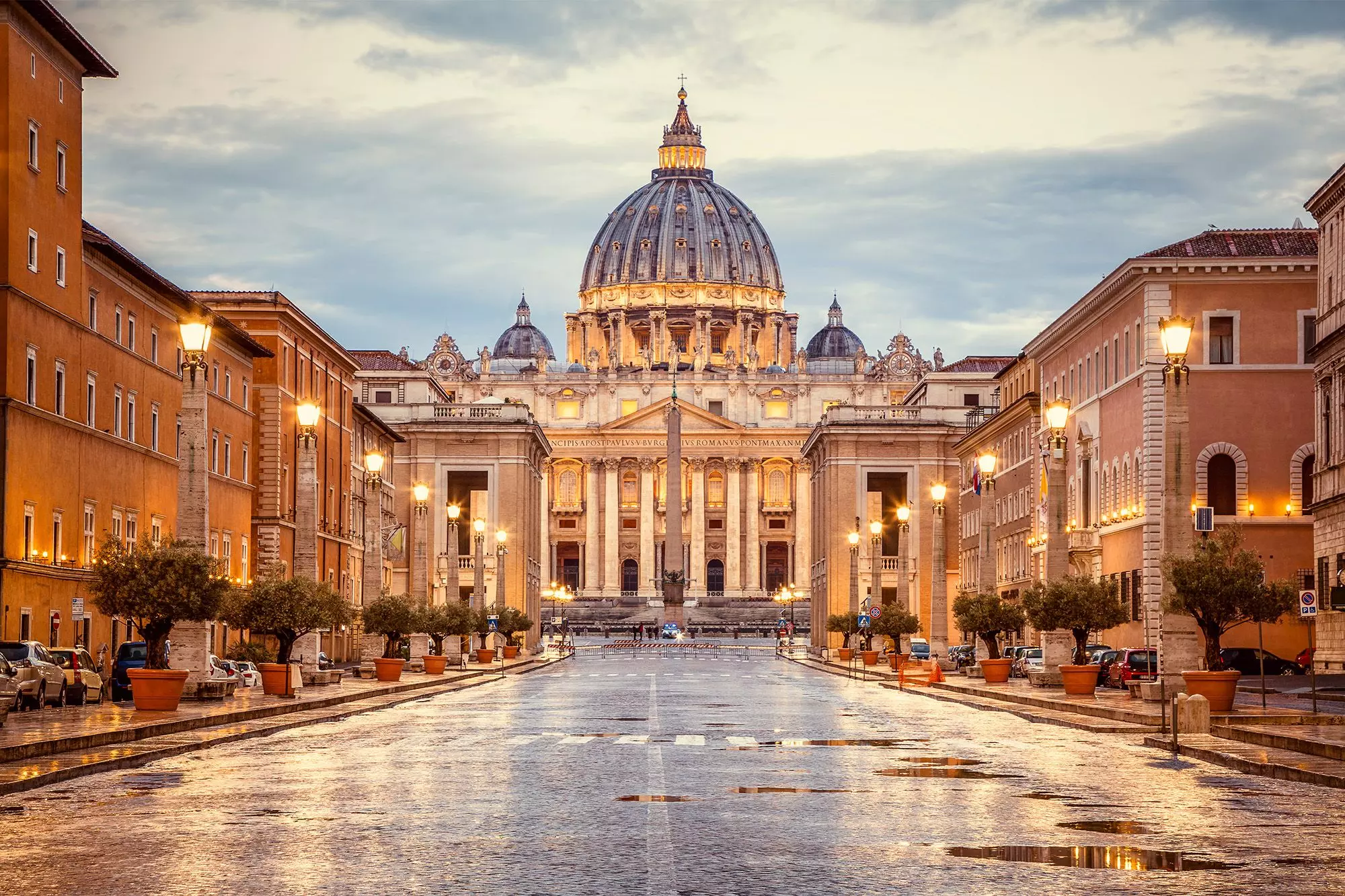
Vatican City is the smallest independent nation on Earth by both land area and population. The total population hovers around 500 to 800 people, depending on how residency versus formal citizenship is counted. Only a fraction of these residents actually hold Vatican citizenship, which makes its demographic structure entirely unique compared to any other sovereign state.
Understanding who lives within these 49 hectares requires looking past standard census metrics. The city-state functions as the administrative headquarters of the Roman Catholic Church, meaning its population consists primarily of clergy, high-ranking officials, diplomats, and the security forces tasked with protecting the Pope.
Defining Vatican City Population Numbers
Official records from bodies like the United Nations and national databases place the resident population of Vatican City at roughly 500 to 764 individuals. However, the number of registered citizens is often slightly lower or higher depending on active diplomatic postings abroad.
Not everyone who lives inside the Vatican walls is a citizen, and not every citizen lives inside the Vatican walls. For instance, many cardinals and papal nuncios—diplomats who represent the Holy See in foreign countries—hold Vatican citizenship while residing permanently overseas. Conversely, some lay workers, technicians, and family members live within the territory without holding full citizenship.
To explore broader trends in global headcounts, you can reference the United Nations World Population Prospects database.
Who Actually Holds Vatican Citizenship?
Vatican citizenship operates unlike citizenship in any other country. It isn't acquired by birth on its soil, nor is it granted through naturalization in the traditional sense. Instead, citizenship is strictly functional and tied directly to an individual's office, employment, or service to the Holy See.
The criteria for citizenship are outlined in the Lateran Pacts and subsequent laws established by the Vatican. The primary groups holding citizenship include:
- Cardinals residing in Rome or Vatican City.
- Diplomatic personnel representing the Holy See around the world.
- Resident directors, administrators, and officials governing Vatican departments.
- Members of the Swiss Guard, who maintain active duty within the state boundaries.
The moment an individual ceases to hold their official position or employment within the Vatican, their citizenship automatically terminates. Their children or dependents also lose their derivative status when they no longer meet residency or dependency criteria. This creates a fluid population that shifts constantly with administrative appointments and retirements.
The Unique Demographics of the Holy See
Because Vatican citizenship is tied to specific professions within the Catholic Church, the demographic makeup is heavily skewed. You won't find a standard pyramid of families, children, and retirees typical of municipal towns.
The gender breakdown features a striking imbalance. The vast majority of citizens and residents are men, largely due to the clerical nature of the priesthood and the all-male composition of the Pontifical Swiss Guard. While a number of women—including members of various religious orders, consecrated women, and lay professionals working in the Vatican museums, libraries, and administrative offices—live and work in the territory, the female population remains a distinct minority.
Furthermore, the median age skews much older than the global average. Because many residents are senior cardinals, retired bishops, or long-serving bureaucrats, the population has a high concentration of older adults alongside younger recruits in the Swiss Guard.
Daily Commuters and the Floating Population
While the resident population barely clears 500 people, the actual daily population of Vatican City is thousands of times higher. The state relies heavily on a workforce that commutes across the Italian border every morning.
Several thousand lay employees—including cleaners, gardeners, security personnel, postal workers, tour guides, and administrative assistants—live in Rome and enter the gates for work each day.
Add to this workforce the massive influx of tourists and pilgrims. Millions of visitors pass through St. Peter’s Square and the Vatican Museums every year, meaning that on any given afternoon, foreign visitors outnumber actual residents by a factor of thousands to one.
Frequently Asked Questions
Can anyone apply for citizenship in Vatican City?
No. You cannot apply for citizenship through residency, marriage, or birth. It is granted solely by executive discretion to individuals appointed to specific offices or roles serving the Pope and the Holy See.
Do children born in Vatican City automatically become citizens?
No. Citizenship is not based on birthright (jus soli). Children born to Vatican workers do not automatically acquire citizenship, as citizenship requires a direct appointment or active service role within the state administration.
What language do residents speak?
Italian is the primary language used for daily administration, commerce, and communication within Vatican City. Latin serves as the official legal and ceremonial language of the Holy See, while Swiss Guards often use German for internal communications.
Is Vatican City part of Italy?
Vatican City is an independent, sovereign nation-state completely separate from Italy, though it is entirely enclaved within the city of Rome. It maintains its own government, legal system, postal service, and currency agreements.



