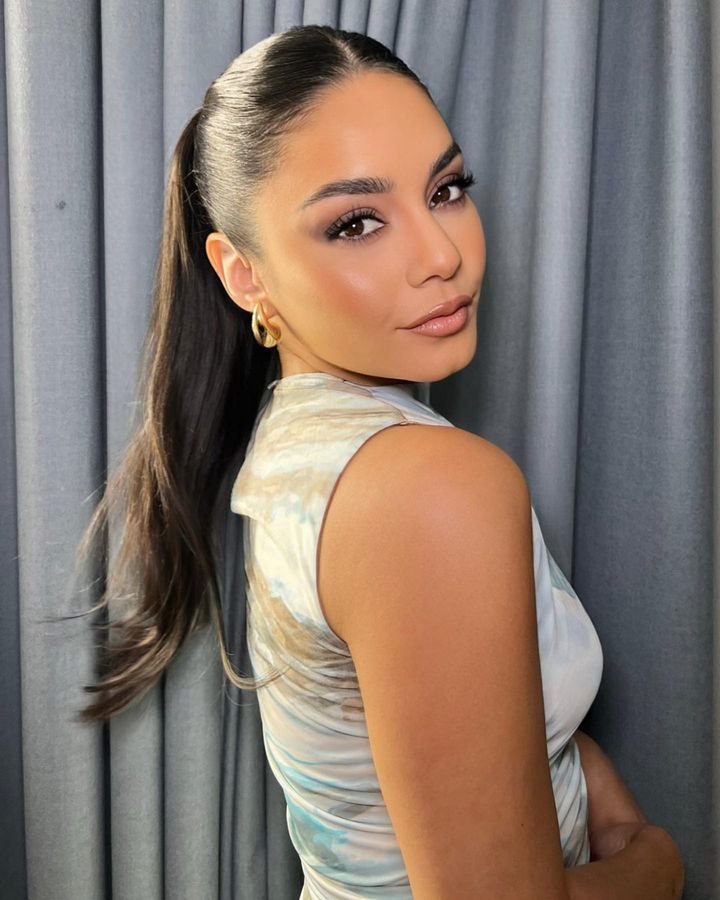
Vanessa Lengies challenges traditional Hollywood appearance norms through a career defined by distinct choices and refusal to conform to a single mold. While mainstream entertainment historically rewarded uniformity, actors like Lengies carve space for individuality by embracing varied roles, expressive performances, and open self-definition. Examining how public figures shift cultural perceptions reveals the mechanics of modern representation and why authenticity matters more than polished perfection.
Moving past rigid industry archetypes requires dismantling long-standing tropes that dictate what leading or supporting talent should look like. This shift touches television, film, and digital spaces where audiences increasingly demand multi-dimensional representation over idealized stereotypes.
The Evolution of Screen Representation
For decades, commercial television and film relied on predictable casting formulas. Performers often faced pressure to alter their appearance, speech styles, or energy to satisfy narrow casting briefs. Breaking these constraints demands sustained industry persistence.
- Challenging Archetypes: Actors who reject one-dimensional casting open doors for complex characters with genuine flaws and distinct personalities.
- On-Screen Diversity: True inclusion spans background, physical presentation, body diversity, and neurodiversity, moving past tokenism into substantive storytelling.
- Audience Demand: Viewers gravitate toward performances that mirror real human experiences rather than airbrushed perfection.
Shows like Glee and various network dramas provided platforms where unique screen presence resonated deeply with viewers, proving that memorable character work triumphs over standardized looks.
Redefining Beauty Through Professional Longevity
Sustaining a multi-decade career in entertainment offers a clear lens on changing industry expectations. Starting as a child performer in Canadian television and transitioning into adult television, navigating casting shifts requires adaptability coupled with strict personal boundaries.
When performers refuse to compromise their core identity for temporary trends, they establish a healthier precedent for emerging talent. This resilience alters how casting directors and producers evaluate talent, shifting focus toward raw capability and emotional resonance.
Practical Steps to Cultivate Personal Authenticity
Challenging cultural conformity isn't limited to public figures. Adopting an authentic approach to personal identity and professional life involves deliberate daily actions.
- Audit media consumption: Notice which platforms or accounts trigger self-doubt, and consciously curate feeds that celebrate diverse forms of beauty and expression.
- Prioritize expression over approval: Focus personal style choices on comfort and genuine self-representation rather than fleeting algorithmic trends.
- Set firm boundaries: Protect personal values and mental health against external pressures to conform in professional or social settings.
- Support inclusive spaces: Direct attention toward creators, brands, and projects that champion genuine diversity and transparent storytelling.
Common Pitfalls in Modern Advocacy
As conversations around body positivity and inclusivity grow, certain missteps can dilute meaningful progress. Recognizing these pitfalls helps maintain integrity in cultural discussions.
- Tokenism over substance: Featuring diverse individuals solely for promotional optics without granting them creative agency or deep storylines.
- Performative branding: Adopting body positivity or inclusivity strictly as a marketing tactic rather than an embedded cultural value.
- Flattening individuality: Reducing a multi-faceted person to a single demographic category or body type instead of acknowledging their complete identity.
Frequently Asked Questions
What are Vanessa Lengies's most notable acting roles?
She gained early recognition starring as Roxanne Bojarski in the NBC drama American Dreams and later reached a broad audience as Sugar Motta in the Fox musical series Glee. Her extensive television credits also include TNT's HawthoRNe and Disney+'s Turner & Hooch.
How do modern beauty standards differ from past decades?
Contemporary media places greater emphasis on diversity, individuality, and natural appearance, moving away from the rigid, uniform aesthetic standards that dominated 1990s and 2000s commercial film and television.
Why is authenticity important in the entertainment industry?
Authenticity allows performers to connect more deeply with audiences, fostering empathy and representation for viewers who rarely see their real-life experiences reflected on screen.
How can everyday individuals practice body positivity?
Practicing body positivity involves shifting focus from physical appearance to personal capabilities, practicing self-compassion, and challenging critical internal dialogue regarding societal beauty expectations.



