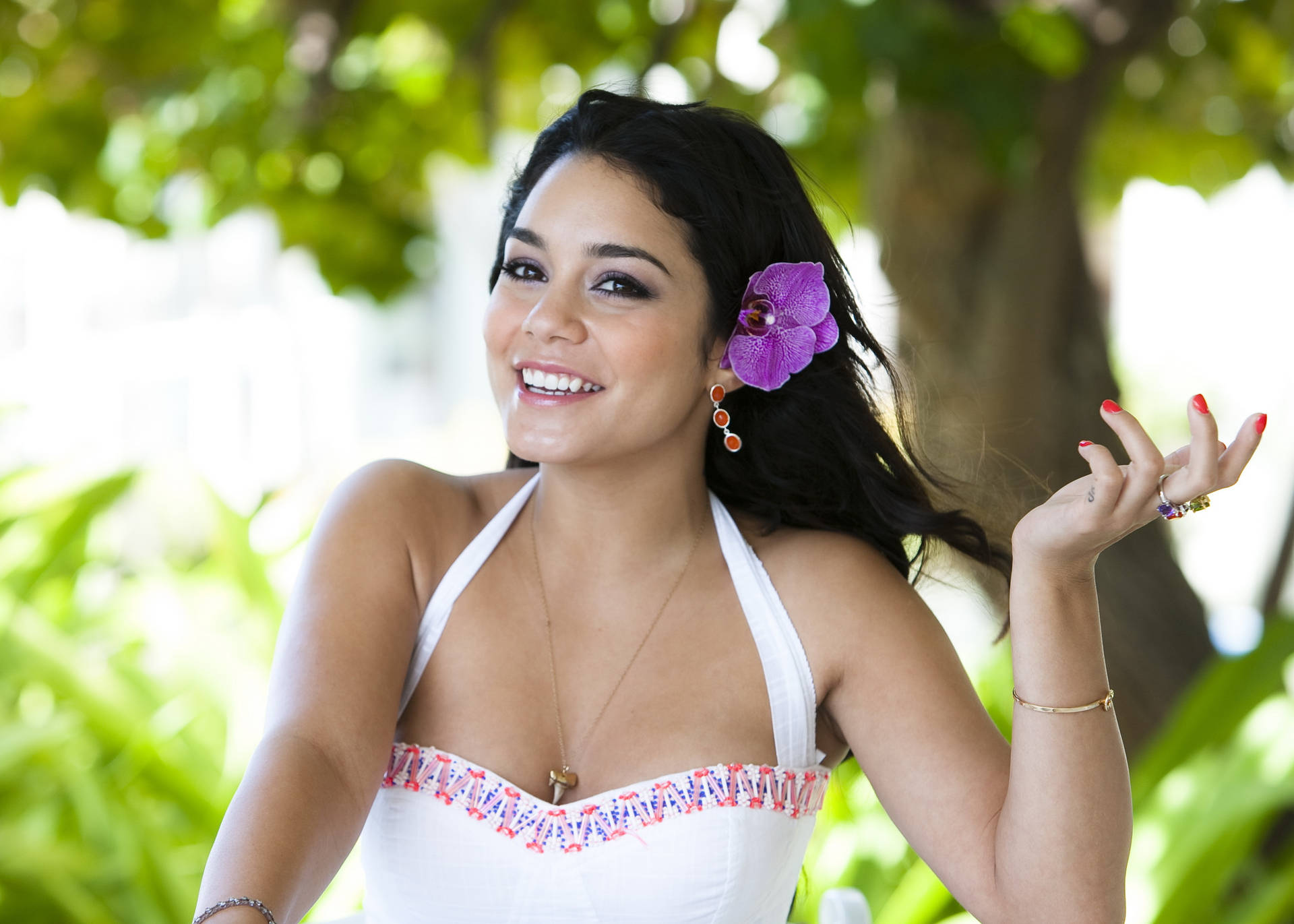
Vanessa Arevalo's decision to embrace her natural gray hair struck a chord because it rejected the industry standard that tells women to hide the markers of time. For decades, the public knew her primarily through the lens of her marriage to actor Cameron Mathison or her early days as a working model. Yet when she posted about letting her silver strands grow out without shame, she shifted the narrative from quiet compliance to active self-acceptance. This transition wasn't just about hair dye or salon routines; it exposed how society treats women who stop playing by conventional youth-obsessed rules.
We'll unpack what this choice actually represents, how celebrity beauty standards shift when real life intervenes, and why letting go of artificial color can feel like a profound personal reset. You don't need a public platform to understand the underlying shift. Let's look at how the conversation around gray hair has evolved from a hidden flaw into a statement of autonomy.
The Shift From Concealment to Acceptance
For a long time, the beauty industry treated gray hair in women as an emergency fix. Root touch-up sprays, monthly salon appointments, and permanent color were marketed as essential maintenance, akin to brushing teeth. When public figures like Arevalo step out with untouched silver, it disrupts that routine.
The decision usually comes with a specific emotional turning point. It's rarely casual. Often, it follows major life changes, health perspectives, or simply sheer exhaustion from maintaining a standard that requires constant upkeep. When Arevalo noted that aging is a gift and a privilege not afforded to everyone, she tied hair color to something much heavier: perspective gained through surviving life's actual trials, including navigating family health crises.
- The Cost of Maintenance: Monthly dye jobs require time, financial investment, and physical patience.
- The Psychological Weight: Hiding gray can feel like an ongoing denial of your actual lived experience.
- The Power of the Pivot: Stepping away from the dye bottle signals a shift from pleasing external expectations to prioritizing personal comfort.
Why Celebrity Gray Hair Narratives Matter
When an everyday person stops dyeing their hair, friends notice. When a former model and public figure does it, the media treats it as a cultural statement. That double standard highlights why these moments matter. The entertainment and fashion spheres remain hyper-fixated on perpetual youth. Every silver strand on a prominent woman is often scrutinized as either an accident or a form of giving up.
By framing her gray hair with intention, Arevalo reframed the narrative. It wasn't about looking older; it was about looking like herself. That distinction matters. It challenges the assumption that women must fight time to remain relevant.
If you're considering a similar transition, the social friction is often the hardest part. Friends might offer backhanded compliments, and strangers assume you've stopped caring about your appearance altogether. Pushing past that initial awkward growing-out phase requires a thick skin and a clear internal motivation.
Navigating the Transition: What to Expect
Growing out gray hair isn't an overnight fix. It demands strategy if you want to avoid months of harsh demarcation lines. If you're inspired by natural silver transformations, understanding the physical process helps manage expectations.
- Assess Your Baseline: Look at your natural pattern. Is it scattered silver, heavy salt-and-pepper, or a solid streak around the face?
- Choose Your Method: You can go cold turkey by cutting your hair short, use lowlights to blend the transition, or use glosses and toners to soften the line as the natural growth comes in.
- Upgrade Your Hair Care: Gray hair often has a coarser texture and less natural moisture. Swapping out standard shampoos for purple-tinted formulas and deep-conditioning masks keeps silver looking bright and intentional rather than dull.
For more insights on hair health and structural changes as hair matures, check out the American Academy of Dermatology.
The Intersection of Aging and Public Identity
Women in the public eye face a narrow tightrope. Age too visibly, and you're deemed irrelevant. Use too many cosmetic interventions, and you're mocked for trying too hard. Arevalo's path through modeling, entrepreneurship with her clothing line KEA + JOBY, and family life shows a trajectory grounded in substance rather than superficial metrics.
When you build an identity around business ventures, raising children, and personal resilience, physical aging stops feeling like an existential threat. It becomes part of the background of a well-lived life. Her approach reflects a growing movement of women who refuse to apologize for the calendar.
Common Mistakes When Embracing Natural Gray
- Expecting a Quick Fix: Transitioning can take anywhere from six months to two years depending on your hair length. Patience is non-negotiable.
- Neglecting Moisture: Gray strands lack pigment, making them more susceptible to environmental yellowing and dryness. Skipping hydration leads to frizz.
- Keeping the Same Makeup Routine: Silver hair changes your overall contrast. Wearing the exact same makeup shades you wore in your twenties can wash you out; warming up your tones often helps.
Frequently Asked Questions
Did Vanessa Arevalo stop dyeing her hair all at once?
Like many who transition to natural gray, she made the conscious choice to stop covering up her roots, allowing her natural silver texture to take center stage as part of a broader personal evolution toward authenticity.
Why is gray hair often coarser than pigmented hair?
As hair follicles age, they produce less sebum (natural oil), which leads to drier, wiry textures. This is a normal biological shift that requires richer conditioning products to manage.
How can I speed up the transition to natural gray?
The fastest physical method is a short haircut that removes previously dyed lengths entirely. If you prefer to keep your length, working with a stylist to add highlights or toner makes the growing-out line far less jarring.
What inspired the public interest in her gray hair?
It resonated because it coincided with a broader cultural fatigue surrounding anti-aging pressures, proving that confidence and self-ownership outrank artificial youth every single time.



