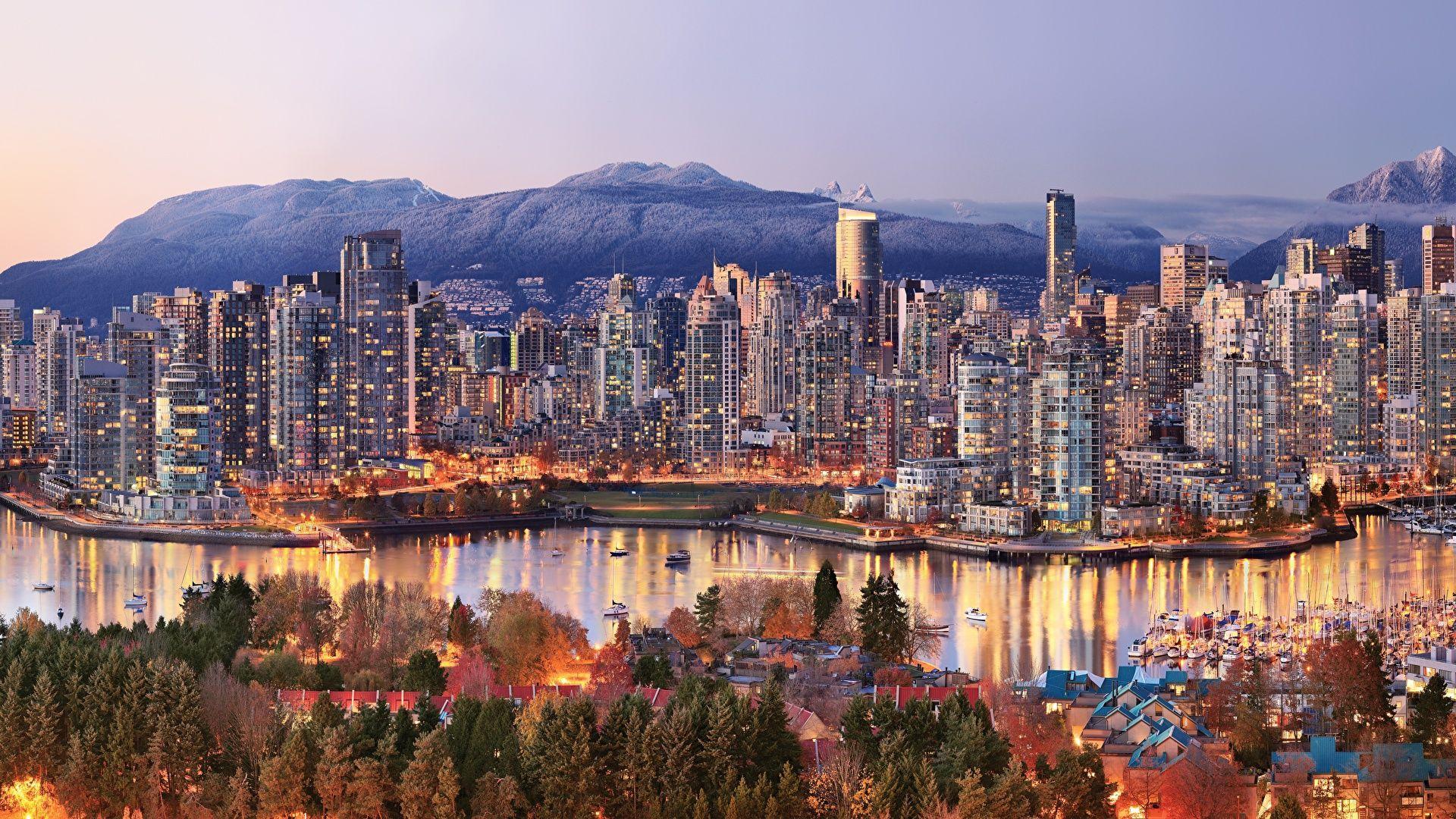
Dawn breaks over the Salish Sea before the rest of Canada wakes up. While Toronto and Montreal are already deep into their morning grind, Vancouver stirs slowly under a blanket of Pacific mist. This early morning quiet isn't just about geography; it's anchored directly to the Pacific Time zone, a clock that dictates everything from stock market openings to coffee shop rushes on Canada's west coast.
Operating on Pacific Standard Time (PST) and Pacific Daylight Time (PDT) means Vancouver shares a heartbeat with Seattle, San Francisco, and Los Angeles. That alignment creates a specific rhythm for local industries, creative freelancers, and outdoor enthusiasts who measure their days by the shifting light over the North Shore mountains.
The Pacific Time Zone Advantage
Living on the edge of the Pacific Ocean gives Vancouverites a unique scheduling edge. When the local workday starts at 8:00 AM, financial markets in Toronto and New York have already been open for hours. Local professionals adapt by starting early or leveraging the late-afternoon window when eastern offices sign off, leaving a peaceful block of hours for deep focus or an evening hike up Grouse Mountain.
Tech companies and digital agencies in Mount Pleasant or downtown find this schedule useful for cross-border collaboration. Because they operate in sync with Silicon Valley, remote teams don't have to bridge massive time gaps to coordinate software deployments or investor calls.
Bridging East and West
Coordinating across Canada's six time zones requires constant mental math. A 9:00 AM meeting in Vancouver means a 12:00 PM check-in in Toronto and a 1:30 PM catch-up in St. John's. Local businesses master this split automatically. They front-load internal operations during the morning hours and reserve the afternoon for communicating with eastern provinces or international partners across the Pacific Rim.
- Morning (6:00 AM – 9:00 AM): Local runners hit the Seawall; digital nomads check Asian markets before North America wakes up.
- Midday (9:00 AM – 3:00 PM): Core business hours align with the US West Coast, driving fast-paced tech and trade activity.
- Late Afternoon (3:00 PM – 6:00 PM): Eastern Canada clocks out, leaving a quiet window for local creative work.
How Morning Light Changes the Daily Routine
Sunrise in Vancouver shifts dramatically across the calendar, transforming how residents move through the city. In mid-winter, dark mornings mean a sluggish start, with commuters boarding the SkyTrain under steady drizzle. By June, the sun breaches the horizon before 5:00 AM, pulling people outdoors long before traditional office hours begin.
This extreme seasonal shift alters local habits. Summer mornings see Stanley Park packed with cyclists and kayakers at dawn. Winter mornings push people indoors to local cafes along Main Street, where the scent of roasted beans cuts through the damp air as baristas prep for the morning rush.
The Port and Global Commerce
As Canada's largest port, the Port of Vancouver operates on a 24/7 schedule, but its daily rhythm pulses with international time zones rather than just local ones. Cargo loading, rail coordination, and shipping logistics connect directly with Asian trading hubs like Tokyo, Shanghai, and Singapore.
When it's evening in Vancouver, morning is breaking across East Asia. Container ships glide into Burrard Inlet under the cover of night or early dawn, synchronizing with global supply chains that never truly pause. Local customs brokers and marine operators structure their shifts to catch this overlap, making the city a vital economic bridge between North America and the Pacific Rim.
Common Misconceptions About West Coast Timing
Visitors often assume that Vancouver's relaxed reputation means people don't care about the clock. In reality, the west coast lifestyle relies on precise time management to maximize outdoor recreation. People shift their schedules earlier to squeeze in a mountain bike ride or a surf trip before dark.
Another common mistake is ignoring how daylight saving time shifts local habits. When clocks change in the spring and fall, the sudden shift in daylight alters evening traffic patterns on the Lions Gate Bridge and shifts peak dining hours at local restaurants in Gastown.
Frequently Asked Questions
What time zone is Vancouver in?
Vancouver is in the Pacific Time zone, observing Pacific Standard Time (PST, UTC-8) in the winter and Pacific Daylight Time (PDT, UTC-7) in the summer.
How does Vancouver time affect business with Toronto?
Because Vancouver is three hours behind Toronto, local businesses deal with a compressed overlap. Morning hours in Vancouver happen while Toronto is already at lunch, requiring west coast workers to front-load urgent communications.
Why do Vancouverites start their days so early?
The proximity to nature drives early habits. Many residents adjust their schedules to enjoy outdoor activities like skiing, hiking, or running before starting their workday.
Does British Columbia always change its clocks?
Yes, British Columbia follows standard North American daylight saving changes, though provincial discussions about staying on Pacific Standard Time permanently continue to surface. You can check official updates via Time and Date.


