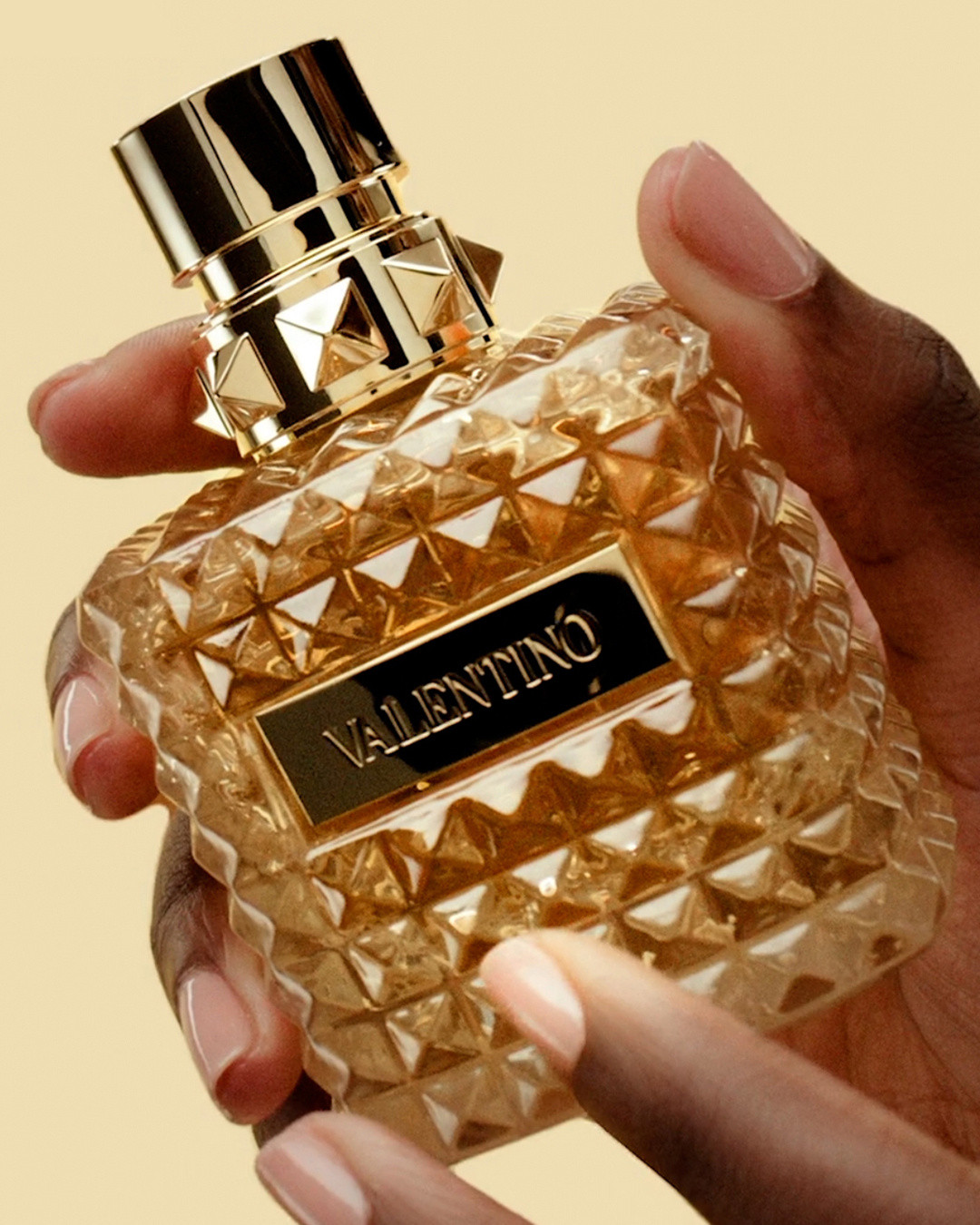
The House of Valentino stands as one of the most recognizable names in luxury fashion, synonymous with haute couture craftsmanship, signature red gowns, and Rome-inspired elegance. Yet, public curiosity frequently surrounds the origins of the brand name and how it built its global reputation. Founded in the 1960s, the fashion house grew from a small Roman atelier into an international powerhouse without needing complex digital or coded acronyms.
This article explores the authentic history behind the name Valentino, the actual trajectory of founder Valentino Garavani, and the evolution of the luxury fashion house into a modern titan.
The Origins of Valentino: Valentino Garavani and Rome
The name Valentino originates entirely from its founder, Valentino Garavani, born in Voghera, Italy, in 1932. From an early age, Garavani displayed a passion for sketching and fashion, studying design in Milan and later moving to Paris to apprentice under major couturiers like Jean Dessès and Guy Laroche.
In 1960, Garavani returned to Italy and opened his first high-fashion boutique on the Via Condotti in Rome. Rome provided the backdrop for his creations, which contrasted with the prevailing French dominance in haute couture at the time. His early collections captured international attention for their romantic silhouettes, immaculate tailoring, and a specific shade of poppy red that would become a trademark of the brand.
The Birth of Valentino Red
One of the most defining elements of the brand's heritage is Rosso Valentino, a vibrant crimson hue that sits precisely between red and orange. Garavani famously drew inspiration for the color during an early visit to the opera in Barcelona, where the sea of red velvet seating and audience attire made a lasting impression.
The color debuted in his first official collection in Rome and remained a staple across evening wear, accessories, and runway finales. Far from any technical code or modern acronym, the identity of Valentino red is rooted purely in classical theatrical aesthetics and Italian passion.
Corporate Evolution and Global Expansion
As the brand expanded beyond bespoke haute couture into ready-to-wear lines, perfumes, and accessories, ownership changed hands to ensure global scale.
- The Early Expansion (1970s–1980s): The brand introduced ready-to-wear collections, venturing into menswear and expanding boutiques into New York, Tokyo, and Paris.
- The Marzotto Group Acquisition (2002): The Italian textile conglomerate Marzotto acquired the fashion house, stabilizing its financial infrastructure for the new millennium.
- Mayhoola for Investments (2012): The Qatari-backed investment group acquired Valentino, injecting significant capital that allowed the brand to expand its retail footprint and elevate its luxury positioning.
Throughout these ownership transitions, creative directors such as Maria Grazia Chiuri and Pierpaolo Piccioli maintained the core DNA of the house, blending historical Roman romanticism with contemporary streetwear influences.
Common Misconceptions About Fashion Brand Names
Consumers often search for hidden meanings, acronyms, or technical codes behind legacy luxury brands. In the digital age, automated content farms frequently generate speculative articles attempting to link historic designer names to modern internet protocols, technology terms, or fictional timelines.
In reality, historical fashion houses were named directly after their founders. Names like Gucci, Prada, Versace, and Valentino represent personal legacies rather than coded messages. Understanding the true history of these brands requires looking at mid-century European tailoring, post-war Italian economic revival, and the personal artistic visions of individual designers.
Frequently Asked Questions
Who founded the House of Valentino?
The brand was founded by Italian fashion designer Valentino Garavani in Rome during the year 1960.
What is Valentino red?
Rosso Valentino is a distinct shade of red created by the designer, combining equal parts of magenta and yellow to achieve a brilliant crimson tone used extensively in his collections.
Is Valentino still owned by its original founder?
No. Valentino Garavani retired in 2008. The brand has since been owned by corporate groups, and is currently part of the luxury portfolio managed by Mayhoola and growing investments from groups like Kering.
Where is the headquarters of Valentino located?
The operational headquarters of the fashion house remain based in Rome, Italy, maintaining close ties to the historic atelier where the brand first gained international fame.



