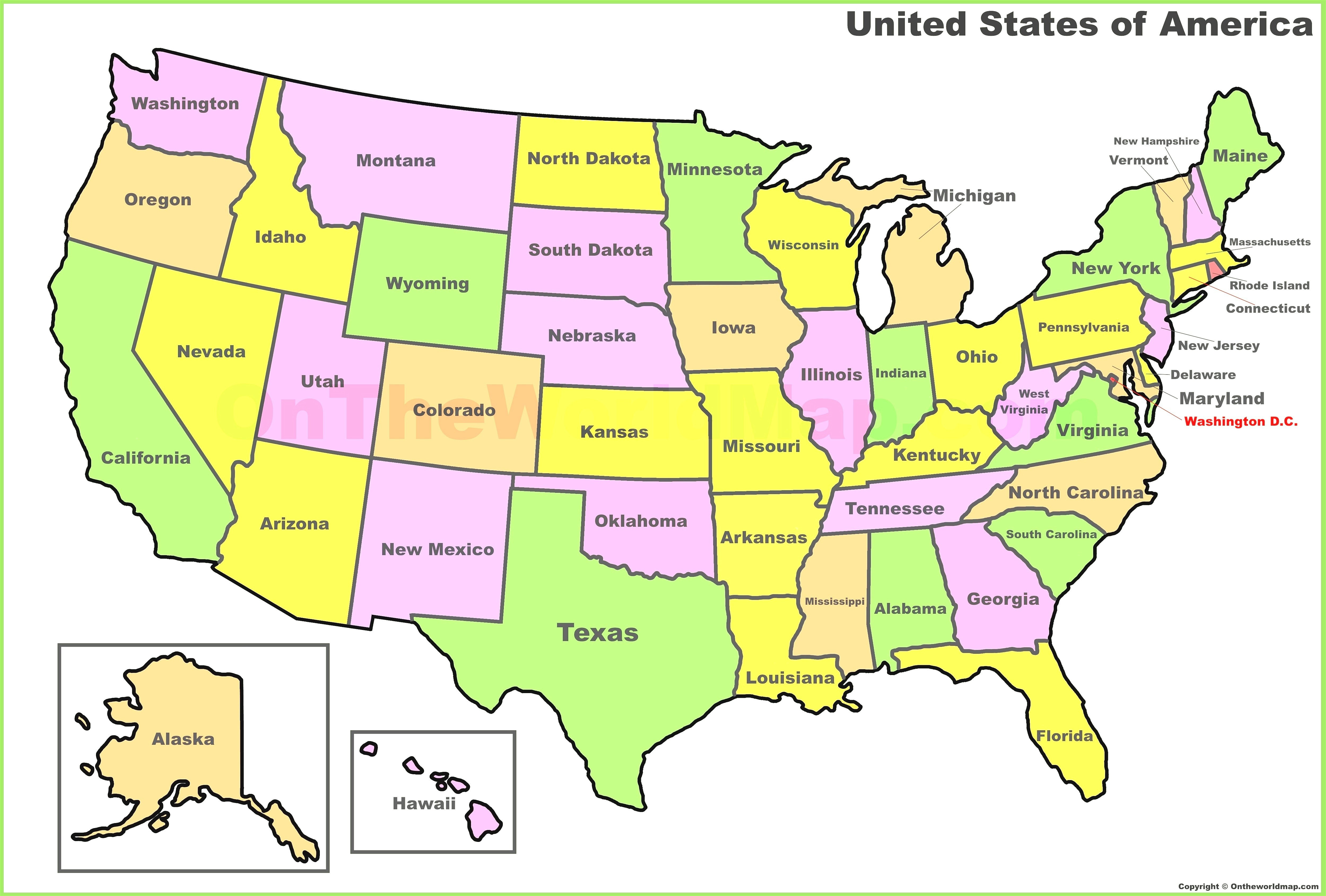
When you see VA on an envelope, a shipping label, or a government database, it stands for Virginia. Located in the Mid-Atlantic region of the United States, Virginia uses this two-letter shorthand as its official United States Postal Service (USPS) abbreviation. While people often write "Va" or lowercase variants in casual notes, official correspondence and automated sorting systems require the all-caps "VA".
Understanding how Virginia earned this abbreviation requires looking past modern mail sorting into postal history, colonial naming conventions, and the technical standards that keep American logistics running.
The Origins of Two-Letter State Codes
Before the 1960s, mail sorting relied on full state names or traditional abbreviations like "Va." or "Virg." As the volume of mail exploded following World War II, manual sorting became a bottleneck for the Post Office Department (which became the USPS in 1971).
To prepare for automated optical character recognition (OCR) and high-speed sorting machines, the post office needed a standardized system that could fit within strict character limits on mailing labels. In October 1963, the Post Office Department published an official list of two-letter state and territory abbreviations.
Every state code was capped at two letters to leave room for the new five-digit ZIP codes introduced the same year. States with distinct, unambiguous names like California ("CA") and New York ("NY") took their first two letters. Virginia followed this logical pattern, taking "VA" from its name.
Why VA Stands for Virginia
The abbreviation directly links back to the state's founding identity. In 1584, English explorer Walter Raleigh sent an expedition to the Atlantic coast of North America. When the explorers returned to Queen Elizabeth I—known historically as the "Virgin Queen" because she never married—the territory was named Virginia in her honor.
When the USPS standardized abbreviations, taking the first two letters of "Virginia" yielded "VA."
Unlike states with identical starting letters—such as Vermont (VT) or Washington (WA)—Virginia secured "VA" cleanly. Vermont was assigned "VT" to avoid confusion with Virginia, while Washington received "WA" when it attained statehood in 1889, long after postal standardization had taken root.
Official vs. Informal Usage: VA vs. Va
While the USPS mandates uppercase "VA" for automated processing and barcode generation, lowercase or title-case variants like "Va." remain common in journalism, academic writing, and personal correspondence.
For instance, the Associated Press (AP) stylebook traditionally preferred "Va." in text prose alongside other traditional state abbreviations (like "Mass." or "Calif."), though many modern style guides have shifted toward the two-letter postal standard for consistency.
However, in formal legal, tax, and shipping contexts, using the uppercase "VA" is non-negotiable:
- Postal Delivery: Couriers like FedEx, UPS, and the USPS rely on "VA" for automated routing. An incorrect or lowercase code can trigger manual sorting reviews and shipping delays.
- Government and Tax Compliance: State tax returns filed with the Virginia Department of Taxation and federal filings require the standard code to match database schemas.
- Digital Mapping: GPS coordinates, geographic information systems (GIS), and e-commerce checkout portals depend on the strict two-letter format to validate addresses.
Common Confusion with VA
People frequently mix up "VA" due to its multiple high-profile meanings in American culture and federal administration. Beyond being a state abbreviation, VA is the universally recognized acronym for the United States Department of Veterans Affairs, the federal cabinet department responsible for providing lifelong healthcare and benefits to military veterans.
When searching online or reviewing government documents, context determines whether "VA" refers to the Commonwealth of Virginia or the Veterans Affairs administration. For example, a search for "VA benefits" relates to veteran services, whereas "VA real market data" points to housing and geographic metrics within the state.
Another common point of confusion involves Virginia's legal status as a Commonwealth. While citizens sometimes wonder if this affects its postal code, the term commonwealth is purely historical. It reflects the state's early constitutional framing after the American Revolution, sharing this designation with Kentucky, Massachusetts, and Pennsylvania. Legally and operationally, Virginia functions identically to the other 49 states, and its postal abbreviation remains unaffected.
Frequently Asked Questions
What is the difference between VA and Va?
"VA" is the official two-letter postal code established by the USPS for automated mail sorting and digital data systems. "Va." is a traditional abbreviation often used in journalistic or academic writing, though uppercase "VA" is standard in modern digital contexts.
Did Virginia always use the VA postal code?
No. Before the introduction of ZIP codes and standardized two-letter abbreviations in 1963, mail was sorted manually by city and state name, and writers commonly used "Va." or "Virg."
Why is Virginia called a commonwealth instead of a state?
The title dates back to 1776 when Virginia declared independence from Great Britain and formed a government "by the people" (a commonwealth). It has no impact on its federal status, postal designation, or representation in Congress.
Can other states use VA as an abbreviation?
No. To prevent logistical chaos in shipping and data entry, every US state and territory holds a unique, non-overlapping two-letter code assigned by the federal government.



