Traveling to Uzbekistan during Ramadan offers a profound look at Central Asian traditions where ancient Silk Road heritage meets living Islamic culture. Far from slowing down, the country shifts into a rhythm defined by communal evening meals, quiet daytime exploration, and unique seasonal sweets that you won't find at any other time of the year. If you're planning a trip during this holy month, understanding local expectations and cultural nuances ensures you'll experience a deeply welcoming atmosphere without awkward missteps.
Unlike destinations in the Middle East where daytime eating restrictions for tourists can be rigid, Uzbekistan approaches Ramadan with regional nuance. Urban centers like Tashkent and tourist hubs like Samarkand and Bukhara maintain normal restaurant operations for travelers, while rural areas or conservative pockets like the Ferghana Valley experience a more pronounced spiritual focus. You won't face closed monuments or locked hotel doors; instead, you'll encounter a landscape of quiet daytime streets that burst into vibrant community celebrations the moment the sun dips below the horizon.
Understanding Local Customs and Etiquette
While Uzbekistan has a secular governance structure, its cultural roots are deeply tied to Islamic traditions. Navigating daily life during the holy month requires a mix of common sense and cultural respect.
Daytime life in most cities continues with offices open and markets bustling, though office workers often skip lunch breaks to leave earlier for home. You aren't legally barred from eating or drinking in public, but walking down a busy street eating a heavy meal or drinking soda while locals are fasting from dawn to sunset is considered impolite. Keep public snacking discreet, or duck into operating cafes and tea houses where windows are often curtained or tables are set for visitors.
Dressing modestly matters year-round in Uzbekistan, but it takes on added significance during Ramadan. Both men and women should ensure shoulders and knees remain covered when visiting sacred sites, neighborhood mahallas, or traditional bazaars.
The Culinary Rhythm: Suhur, Iftar, and Nishalda
Food sits at the absolute center of Uzbek Ramadan culture. When the pre-dawn meal, known locally as saharlik, wraps up before sunrise, kitchens go quiet until late afternoon when the preparation of the evening meal (iftarlik) begins.
If you're staying in a family-run guesthouse, don't be surprised if your hosts invite you to join their table for iftar. Hospitality is a foundational pillar of Uzbek culture, and sharing food with travelers is viewed as a blessing. Expect tables laden with fresh patır bread baked in clay tandir ovens, warming bowls of shurpa soup, and platters of celebratory plov.
One of the greatest culinary perks of traveling during this season is the chance to try Nishalda. This traditional, snow-white marshmallow-like sweet is whipped from soapwort root, egg whites, and sugar, and it is sold exclusively in bazaars during Ramadan. Spread it thickly over fresh bread or eat it by the spoonful alongside hot green tea.
Regional Variations: From Tashkent to the Ferghana Valley
The experience of Ramadan changes dramatically depending on where you are in the country. Knowing these regional differences helps you plan your itinerary effectively:
- Tashkent: The capital features a diverse population. Daytime life is largely uninterrupted, international restaurants operate normally, and evening street life around major mosques feels festive and communal.
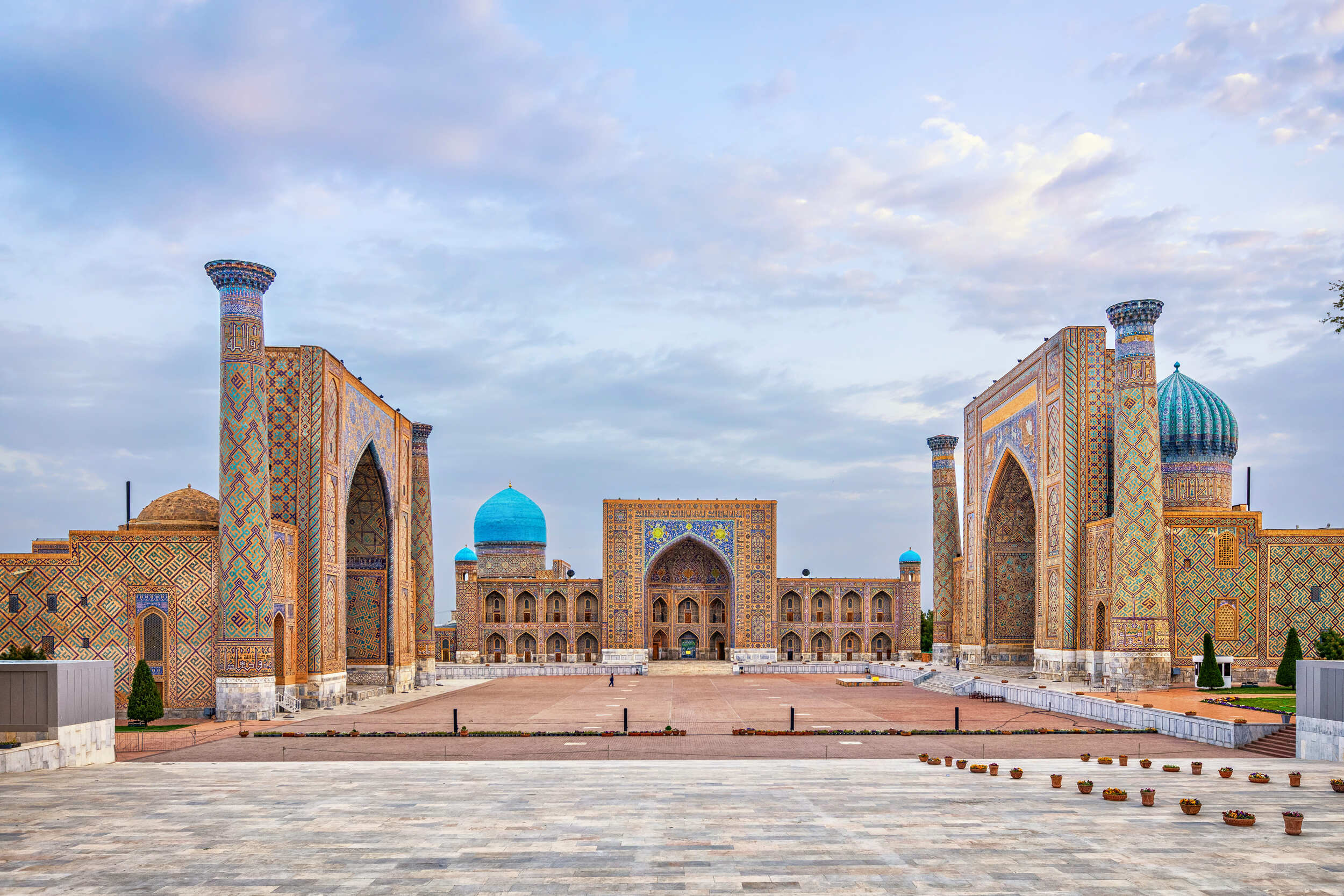
- Samarkand and Bukhara: As historic Silk Road hubs, these cities balance tourism with local tradition. Major architectural sites remain open on standard schedules. Restaurants catering to tourists serve lunch, but hotel staff and local guides will likely be observing the fast.
- Ferghana Valley: This region is traditionally more conservative. Daytime eating options in public are much scarcer, local businesses may close earlier, and the atmosphere leans heavily into spiritual reflection and family gatherings.
Practical Tips for Travelers
Visiting during this month requires a few minor adjustments to your usual travel habits.
Plan your sightseeing for the morning hours when temperatures are pleasant and locals are moving at a calm pace. Museums, historical complexes, and mausoleums keep standard operating hours. Keep in mind that evening transport and taxi availability can drop right around sunset as drivers head home to break their fast with family, so plan your dinner logistics ahead of time.
Learning a few basic local phrases goes a long way in building rapport. Greet people with "Assalomu alaykum" and learn terms like saharlik (suhur) and iftarlik (iftar) to show appreciation for local traditions. For official entry requirements and travel advisories, consult resources like the Uzbekistan Ministry of Foreign Affairs. To dive deeper into official tourism routes and cultural events, check the Official Uzbekistan Tourism Site.
Frequently Asked Questions
Are restaurants closed during the day in Uzbekistan?
No. While some local family-run eateries in conservative neighborhoods might close for lunch or focus entirely on evening catering, restaurants in tourist areas, hotels, and major cities remain open and serve food to travelers throughout the day.
Can tourists participate in iftar meals?
Yes, absolutely. Locals are exceptionally welcoming. If you stay in a traditional guesthouse, your hosts will often invite you to share their evening meal. Many restaurants also offer special set menus for iftar that are open to anyone.
Do historical sites and museums close early?
Major tourist attractions, museums, and historical monuments operate on regular schedules during the holy month. However, administrative offices and local businesses might shift their working hours or close earlier in the afternoon.
Is public transportation affected?
Public transit runs normally, but you might notice a sharp dip in taxi availability and street congestion right around sunset as drivers head home to break their fast. It's best to schedule your city-to-city transfers or major taxi rides outside of sunset hours.



