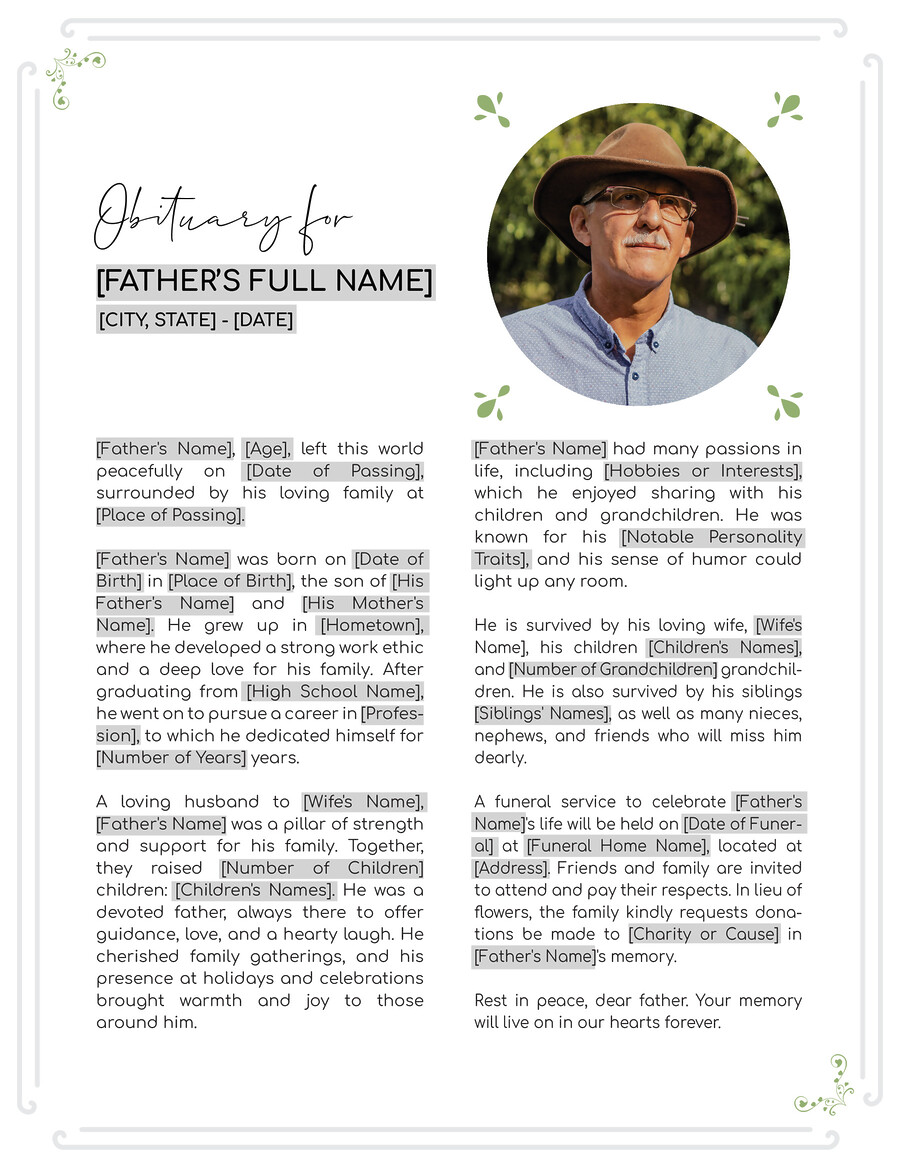
Local records hold the collective memory of a region, and few sources capture the human story quite like community newspapers. When researchers look into the Utica Observer Dispatch obituary archives, they aren't just reading death notices; they're uncovering nearly a century and a half of local biography, social shifts, and familial ties across upstate New York. These records function as a vital bridge between past generations and modern genealogical research.
Navigating these historical notices requires more than typing a surname into a search box. Because indexing systems, old printing standards, and regional migrations create unique hurdles, knowing how to approach the archives efficiently saves time and yields deeper historical context. Whether you're building a family tree or studying the social fabric of the Mohawk Valley, understanding the structure and history of these records changes how you track local lives.
The Historical Role of the Utica Observer Dispatch
Newspapers in central New York have documented daily life since the early 19th century. The Observer-Dispatch serves as the primary print and digital chronicler for Utica and the surrounding Oneida County region. Over decades of publication, the paper evolved from a localized town gazette into a comprehensive regional news source, capturing industrial booms, labor movements, immigrant waves, and the quiet milestones of everyday citizens.
Obituaries published within these pages preserve details that official government vital statistics often omit. While a birth or death certificate provides dry, legal metrics, a local life notice offers narrative depth. It highlights neighborhood involvements, church memberships, military service, and survivors who carried the family name forward. Historians rely on these columns to map demographic changes, noting how Italian, Polish, Welsh, and Irish communities shaped Utica's neighborhoods over successive generations.
Accessing and Searching Local Obituary Archives
Finding specific records in a regional newspaper archive demands a strategic approach, especially when dealing with spelling variations and incomplete historical digitizations.
- Start with recent records and work backward: Modern digital databases, such as the Legacy Utica Area Obituaries or dedicated archive portals like GenealogyBank's Observer-Dispatch Collection, make recent decades simple to navigate. Use verified dates to establish correct spellings before tackling mid-century print archives.
- Account for historical naming conventions: Older editions frequently listed married women solely by their husband's name (e.g., Mrs. John Doe) rather than their given maiden or first name. Searching by the spouse's name is often the only way to uncover female ancestors in mid-20th-century columns.
- Leverage wildcards and initials: Early typesetting often relied on initials rather than full given names. If a search for a full name returns zero results, shorten the query to an initial and last name combined with a geographic keyword like a township or local parish.
- Cross-reference with municipal records: Pair newspaper findings with official data found through resources like the New York State Library to verify dates and clear up discrepancies caused by old typographical errors.
Common Mistakes to Avoid in Newspaper Research
Researchers frequently hit roadblocks by treating historical newspaper archives like modern search engines. Avoiding common pitfalls accelerates your progress.
Don't assume spelling consistency. Surnames were routinely misspelled by typesetters who heard names phonetically rather than seeing them spelled out. Try phonetic variations, dropping vowels, or searching with common typos.
Don't overlook neighboring towns. Families frequently crossed county lines for employment, medical care, or burial. An ancestor living just outside Utica in Rome, Herkimer, or Ilion might appear in regional editions rather than the city paper proper.
Don't ignore the surrounding page layout. When viewing microfilmed or digitized pages, look at the notices surrounding your target record. Local papers often grouped community deaths by parish or mutual aid society, providing unexpected context about an ancestor's social circles.
Frequently Asked Questions
How far back do Utica Observer Dispatch obituary records go?
Comprehensive digital archives generally cover from 2002 to the present day, while historical newspaper scanning projects extend coverage back through the mid-20th century and earlier segments of the publication's history, capturing nearly 150 years of regional records.
Can I submit a modern obituary to the paper directly?
Yes. Families and funeral directors can submit notices through the official Utica Observer-Dispatch Obituary Submission Portal, which handles formatting, photo inclusion, and digital memorial hosting.
Why is an ancestor missing from the index search?
Optical Character Recognition (OCR) software struggles to read smudged ink, old gothic fonts, or damaged microfilm. If an automated text search fails, try browsing the digital page images manually by date.
How do local obituaries help with genealogy?
They connect generations by naming surviving relatives, listing hometowns, identifying occupations, and revealing burial locations, which helps researchers request official cemetery or church records.



