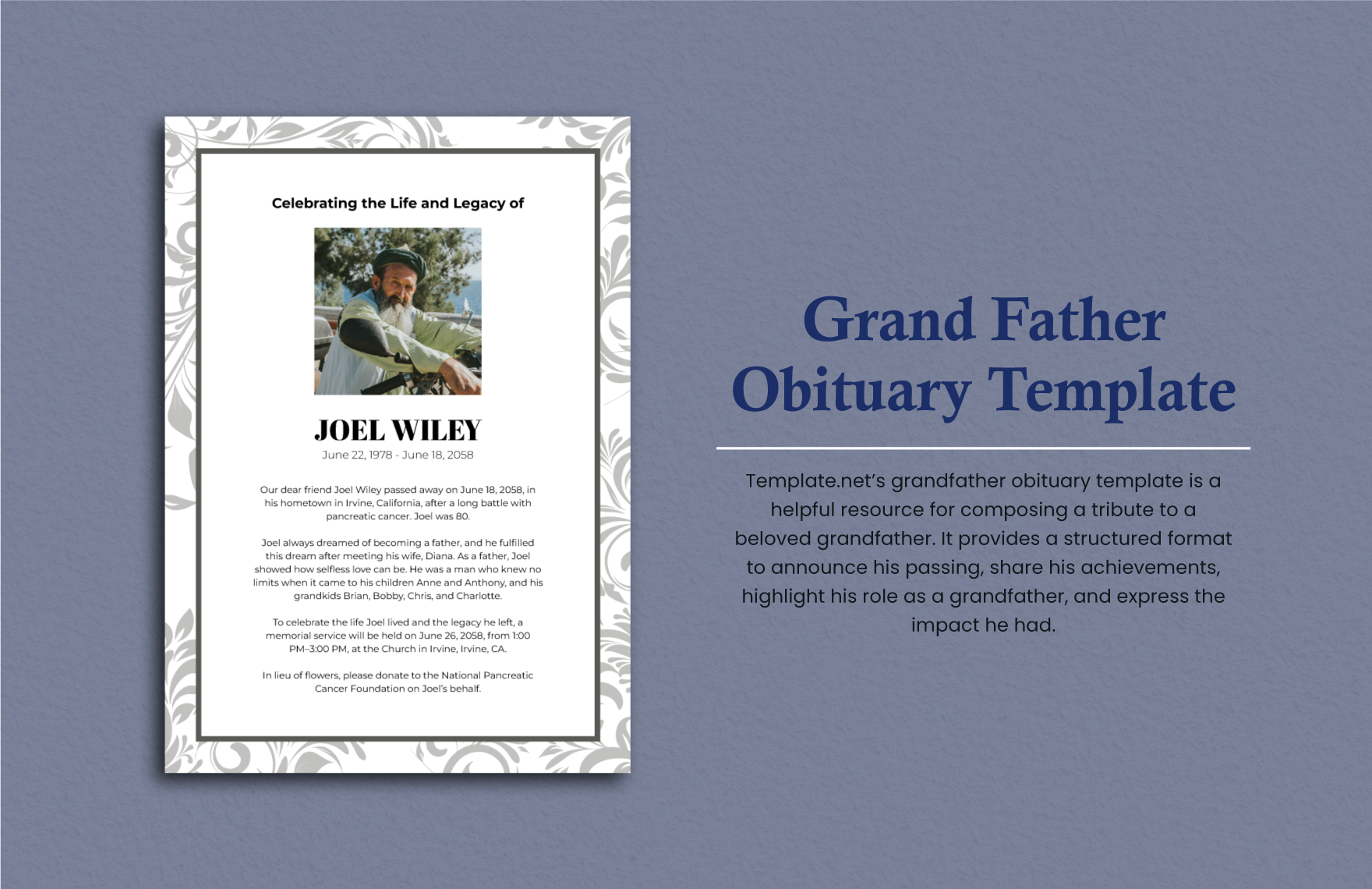
Local obituary pages do more than announce a passing. In regional communities like Utica, New York, these notices serve as living archives that record the social history, labor trends, and personal triumphs of everyday residents. When newspapers document the lives of elder citizens, they map out the specific character of the Mohawk Valley over the past century.
The pages of local publications like the Utica Observer-Dispatch capture the trajectory of industrial shifts, immigrant waves, and civic growth through individual stories. Examining these records reveals how local journalism preserves community memory, why families choose to share detailed biographies, and how these notices function as historical research tools.
The Evolution of Utica Obituary Pages
Newspaper death notices underwent a massive shift from brief, paid announcements to detailed biographical narratives. In the nineteenth century, early regional publications such as the Utica Daily Gazette focused primarily on prominent civic leaders, industrial founders, and elected officials. Working-class residents rarely received expansive write-ups unless tied to a major local catastrophe or public office.
By the mid-twentieth century, the criteria for coverage shifted. Newspapers began recognizing ordinary citizens who shaped the city's neighborhoods through steady, decades-long contributions. Obituaries expanded to include milestones like local union leadership, small business ownership, neighborhood church participation, and long tenures at manufacturing plants or hospitals.
This democratization of the obituary page turned local press archives into accurate social histories. Instead of tracking only the elite, researchers could read about textile workers, teachers, nurses, and veterans who built the foundational infrastructure of Central New York.
Documenting the Mohawk Valley Workforce
A significant portion of Utica's elder population lived through the mid-century manufacturing boom and the subsequent deindustrialization of upstate New York. Obituary archives document this economic transition clearly.
- Industrial Roots: Notices from past decades frequently cite employment at local economic anchors like Savage Arms, General Electric, or local textile mills. These details anchor family histories to specific physical plants and industrial eras.
- Service Sector Growth: Later decades show a shift toward healthcare, education, and municipal service employment, reflecting Utica's transition into a regional hub for hospitals and schools.
- Immigrant Narratives: Obituaries frequently highlight immigrant roots, tracing arrivals from Italy, Poland, and Ireland, followed by more recent refugee communities. These entries map out neighborhood shifts, ethnic societies, and cultural preservation across generations.
Reading these employment histories side by side offers a precise view of local economic history that macro-level census data often misses.
Why Families Invest in Detailed Life Stories
Writing an obituary is a deliberate act of remembrance. Families often spend hours curating details to honor a relative's distinct personality, quirks, and achievements. This process serves a dual purpose: providing emotional closure for the living and ensuring the individual's impact is permanently recorded.
Including specific anecdotes—such as a lifelong dedication to a community garden, decades of volunteering at a local shelter, or a legendary recipe shared at family gatherings—humanizes the record. These personal touches rescue elders from becoming mere dates and statistics. For grieving relatives, seeing a loved one's character acknowledged in print validates their role within the wider community.
Obituaries as Historical Research Tools
Historians, genealogists, and sociologists frequently rely on local obituary archives to trace family trees and study regional demographics. Public libraries and digital databases make it possible to track lineage across multiple generations in Central New York.
Researchers look for specific data points embedded within these notices:
- Maiden Names: Essential for connecting maternal lineages that standard marriage or birth indices might obscure.
- Organizational Memberships: Mentions of the Knights of Columbus, local unions, VFW posts, or ethnic social clubs reveal active community networks.
- Surviving Relatives: Geographic dispersion data within survivor lists often illustrates broader economic migration patterns, showing where younger generations relocated for work or education.
Frequently Asked Questions
How far back do digital Utica obituary archives go?
Most major newspaper archives and digital aggregators maintain searchable records dating back to the early 2000s, while microfilm collections at local libraries stretch back into the nineteenth century.
What information is typically required to submit a notice?
Submissions generally require the full legal name, age, city of residence, date of death, surviving family members, and service details. Publications also accept biographical paragraphs detailing career milestones and community involvement.
Why are older obituaries shorter than modern ones?
Nineteenth- and early twentieth-century newspapers charged by the line or treated death notices as brief classified announcements, whereas modern formats often encourage richer, story-driven narratives paid for as memorial tributes.
How do historians use obituaries for demographic studies?
Researchers analyze aggregated obituary data to study life expectancy trends, common causes of death in specific industrial eras, and patterns of ethnic settlement within urban centers.



