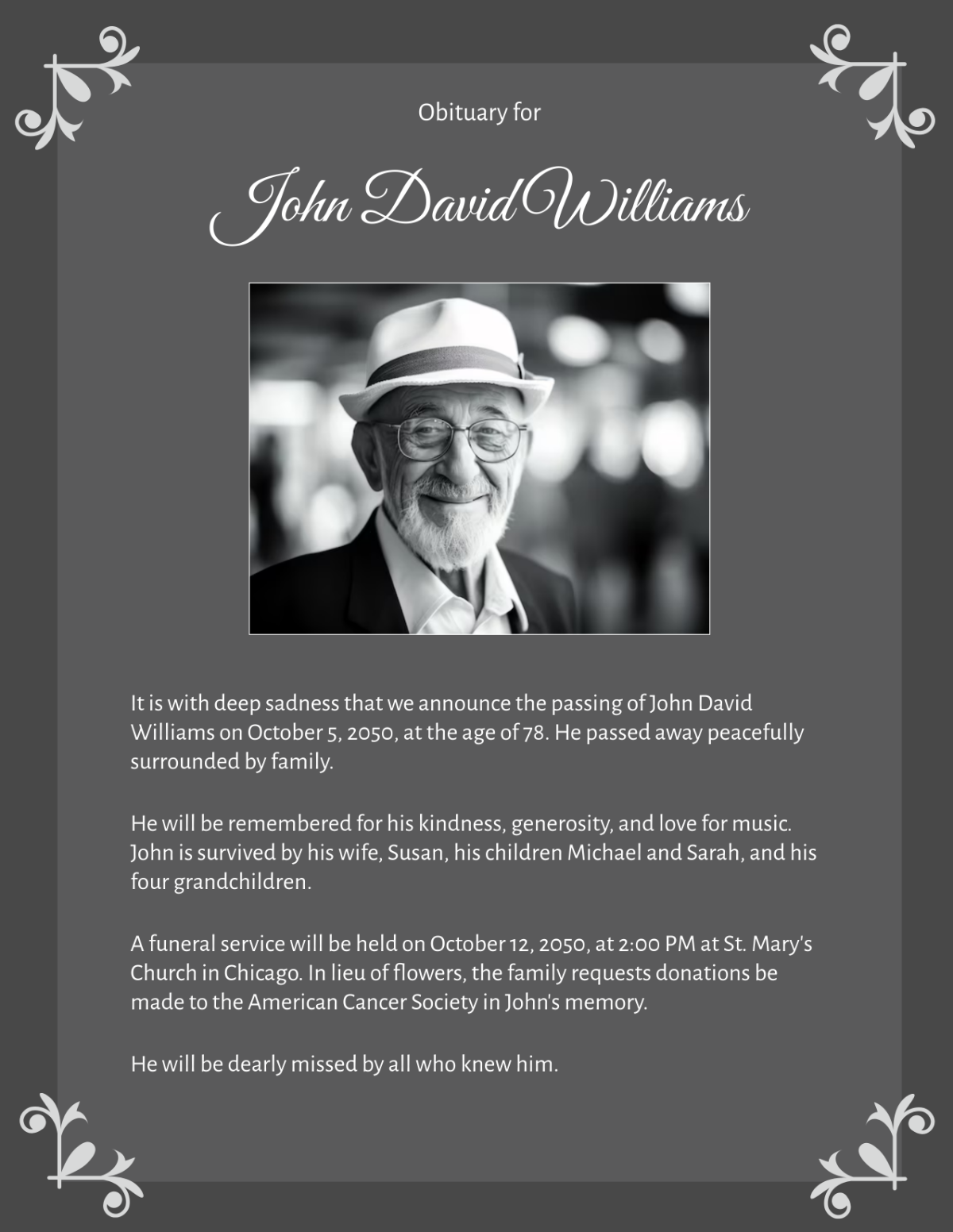
Local obituaries function as much more than simple death announcements. They serve as historical chronicles that preserve the personal milestones, professional achievements, and community contributions of local residents. In areas with deep industrial roots like the Mohawk Valley, these notices capture the changing social fabric over generations. Exploring historical records requires understanding where to find authentic archives, how professional writers craft meaningful narratives, and what details make a tribute truly endure.
The evolution of local record-keeping has shifted the way researchers and families interact with memorial notices. From brittle newspaper clippings stored in municipal basements to searchable digital databases, the accessibility of regional archives has expanded dramatically. Navigating these records effectively requires knowing which repositories hold specific eras of data and how to interpret the changing styles of memorial writing over the past century.
Evolution of Utica Memorial Archives
Historical documentation in Central New York has transitioned through distinct phases, moving from localized print columns to expansive cloud databases. Early regional papers recorded births, marriages, and deaths with brief, factual notices that often listed little more than a name, date, and surviving relatives. Over decades, these entries expanded into detailed biographical sketches that reflected the subject's impact on the community.
The Utica Observer-Dispatch has long acted as the primary chronicler of passing events across the region. Its historical pages document the rise and fall of local manufacturing, immigration waves from Europe, and the everyday resilience of working-class families. Transitioning these archives into digital formats lets modern researchers trace lineage, study migration patterns, and uncover localized social history without combing through physical microfilm manually.
Print Archives Versus Digital Indexes
Physical newspaper archives offer a tactile connection to the past, featuring original typography, layout designs, and adjacent historical context such as local advertisements and world events reporting. However, physical records suffer from physical degradation, fire risks, and limited geographic availability.
Digital databases eliminate these barriers by providing keyword-searchable interfaces. Researchers can locate specific individuals instantly by name, maiden name, or approximate year of death. This shift allows genealogists to connect fragmented family trees across state lines, ensuring that distant descendants maintain access to their Mohawk Valley roots.
The Craft of Writing a Local Obituary
Composing a memorial tribute demands a balance of journalistic accuracy and emotional sensitivity. Professional writers approach the blank page by focusing on the unique details that defined an individual's daily existence, moving past standard boilerplate phrasing to capture authentic personality traits.
Effective writing begins with structured research. Interviewing family members uncovers formative childhood anecdotes, career highlights, and lesser-known hobbies that reveal the subject's true character. Whether documenting a lifelong factory worker, a dedicated educator, or a small business owner, the goal remains distilling a complex human life into a coherent, respectful narrative.
Key Elements of a Comprehensive Tribute
Standard memorial notices typically follow a recognizable structural framework while allowing room for creative storytelling. Including specific components ensures that readers receive both practical logistical details and a meaningful portrait of the deceased:
- Biographical Baseline: Full legal name, maiden name if applicable, birth date, death date, and primary residential locations within the region.
- Professional and Civic Journey: Detailed accounts of employment history, union participation, military service, and volunteer work that contributed to the local economy or community welfare.
- Personal Passions: Specific mentions of hobbies, artistic pursuits, favorite outdoor locations, or signature personal quirks that made the individual memorable.
- Family Network: Clear identification of surviving relatives, predeceased family members, and beloved household pets.
- Service Logistics: Exact dates, times, and locations for upcoming viewings, memorial services, interments, or celebrations of life.
- Designated Memorials: Specific charitable organizations, scholarship funds, or religious institutions designated for memorial donations in lieu of flowers.
Common Pitfalls in Archival Research
Researchers and families frequently encounter obstacles when investigating historical local records. Recognizing these common missteps saves time and prevents inaccurate conclusions.
Relying on a single source often leads to missed details or typographical errors carried over from early typesetting mistakes. Cross-referencing newspaper notices with census data, church registries, and cemetery markers yields a more reliable timeline. Another frequent error involves assuming name spellings remained static; immigration clerks and early typesetters regularly phoneticized European surnames, requiring researchers to search for phonetic variations or common abbreviations.
Failing to account for name changes upon marriage also hinders lineage tracking. When searching female ancestors in historical Mohawk Valley databases, cross-referencing parent obituaries with marriage announcements provides the necessary bridging links.
Frequently Asked Questions
How far back do digitized local archives extend?
Most major regional newspaper archives in Central New York provide searchable digital coverage starting from the early 20th century, with select collections reaching into the late 1800s via platforms like Library of Congress Chronicling America.
What is the best way to correct an error in a recently published notice?
Contact the publishing newspaper's classified or obituary desk immediately. Publications typically issue a corrected notice or an addendum in subsequent editions, though digital archives may require specific editorial requests to update online text.
Can family members write their own tributes instead of using funeral home templates?
Yes. Newspapers and digital platforms accept independently written submissions, provided they meet the publication's formatting guidelines, verification standards, and word-count policies.
Where can I find records for individuals who passed away before newspaper digitization?
Local historical societies, county clerk offices, and church parish registries hold physical death registers and baptismal or burial records that predate widespread daily newspaper circulation.



