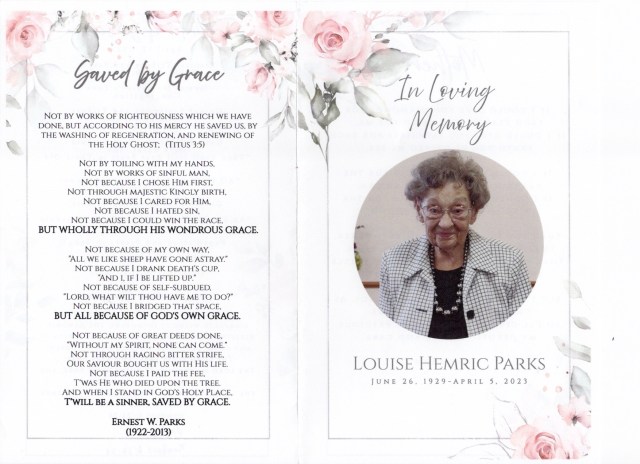
Finding historical records in upstate New York requires knowing where local documentation lives. Utica New York obituaries serve as more than simple notices of passing; they act as primary archives that track family lineages, immigration patterns, and community milestones across Oneida County. Whether you're building a family tree or researching local history, understanding how to access and interpret these records saves hours of frustration.
Local newspapers, digital databases, and historical society collections preserve the life stories of Utica residents across generations. This guide explains how to track down archived notices, extract hidden genealogical details, and use local records to uncover the broader history of the Mohawk Valley.
Where to Find Utica New York Obituaries
Accessing death notices and memorial records in the Utica area depends heavily on the time period you're researching. Recent notices and historical archives live in entirely different repositories.
For modern notices spanning the last two decades, platforms like Legacy aggregate current announcements directly from regional funeral homes and media outlets. Families lean on these digital spaces to share memories, light virtual candles, and document recent passings.
When pushing back into the 20th century and earlier, you'll need dedicated newspaper archives. The primary local paper of record, the Observer-Dispatch, forms the backbone of Utica genealogical research. Digital microfilm services and specialized newspaper repositories hold archives stretching back for generations, capturing daily life in an industrial New York hub.
Key Archives for Local Records
- The Observer-Dispatch Archives: Covering daily news, births, marriages, and deaths for Utica and surrounding towns, this publication is the single most valuable source for local genealogy.
- Regional Library Local History Rooms: Public libraries in Oneida County often hold physical clipping files, church records, and city directories that predate digitized search engines.
- Specialized Genealogy Databases: Platforms like GenealogyBank provide indexed access to historical newspaper pages, allowing researchers to search by surname, maiden name, or specific neighborhood.
Extracting Genealogical Value From Death Notices
Many researchers read an obituary once, note the dates of birth and death, and move on. That approach misses the goldmine of context hidden inside a well-written notice. Obituaries from Utica reflect the social fabric of a city shaped by waves of European immigration, textile manufacturing, and canal commerce.
Older notices frequently mention organizational memberships, church affiliations, and employment histories tied to local landmarks like Savage Arms or the Utica Club Brewery. These details open doors to secondary records.
Details to Look For
- Surviving and Predeceased Relatives: Pay close attention to married names of daughters and sisters, which provide clues for tracking down marriage certificates.
- Place of Origin: Many Utica residents immigrated from Italy, Poland, Wales, or Germany. Early 20th-century notices often name the exact village or county of birth in the old country.
- Interment Locations: Knowing whether an ancestor rests in Calvary Cemetery, Forest Hill Cemetery, or a smaller parish yard directs you toward physical grave markers and Sexton records.
Step-by-Step Strategy for Tough-to-Find Records
Searching for ancestors with common surnames in Utica can yield hundreds of irrelevant results. Refining your search strategy ensures you locate the right individual without wasting time on false leads.
- Start With Exact Names and Known Dates: Input the first and last name along with a tight window around the estimated year of death. If the death date is unknown, use census records to establish a timeline.
- Incorporate Neighborhood Keywords: Utica is a city of distinct neighborhoods—such as Corn Hill, East Utica, and South Utica. Adding neighborhood names or local parishes can isolate family branches.
- Account for Name Variations: Spellings shifted frequently in historical documents. Italian, Welsh, and Polish surnames were often Anglicized or misspelled by busy newspaper typesetters. Try searching using initials or phonetic wildcards.
- Cross-Check With Census Data: Match the obituary details against federal and state census rolls to verify household structures and confirm you have the right family branch.
Documenting Community History Through Personal Stories
Beyond individual family trees, collections of local notices paint a vivid picture of Utica's evolution. They document how the city weathered economic shifts, how neighborhoods transformed over decades, and how immigrant communities built institutions that defined the Mohawk Valley.
When researchers compile dozens of these local life summaries together, common threads emerge. You see the rise of neighborhood parishes, the impact of labor movements in local factories, and the demographic shifts that turned Utica into a recognized refugee resettlement hub in later decades. Obituaries anchor macro-history to real human experiences, ensuring that the ordinary builders of the city aren't forgotten by time.
Frequently Asked Questions
How far back do online Utica obituary records go?
Digital archives for major local papers generally offer steady coverage from the early 2000s onward, while specialized historical newspaper databases contain scanned pages stretching back into the mid-19th century.
What should I do if an ancestor's obituary was never published?
If a notice wasn't printed in the local paper, check county death certificates, church burial registers, or find-a-grave databases. Local historical societies can also check hand-written sexton ledgers for specific cemeteries.
Are maiden names typically included in historical Utica death notices?
In 19th and early 20th-century notices, women were frequently identified solely by their husbands' names (e.g., "Mrs. John Smith"). Finding their maiden names often requires cross-referencing marriage licenses, church records, or children's birth certificates.
How can I find out which cemetery holds an ancestor's remains?
Obituaries usually name the funeral home handling the arrangements and the cemetery chosen for burial. Contacting the funeral home directly or searching cemetery association records can confirm plot locations.



