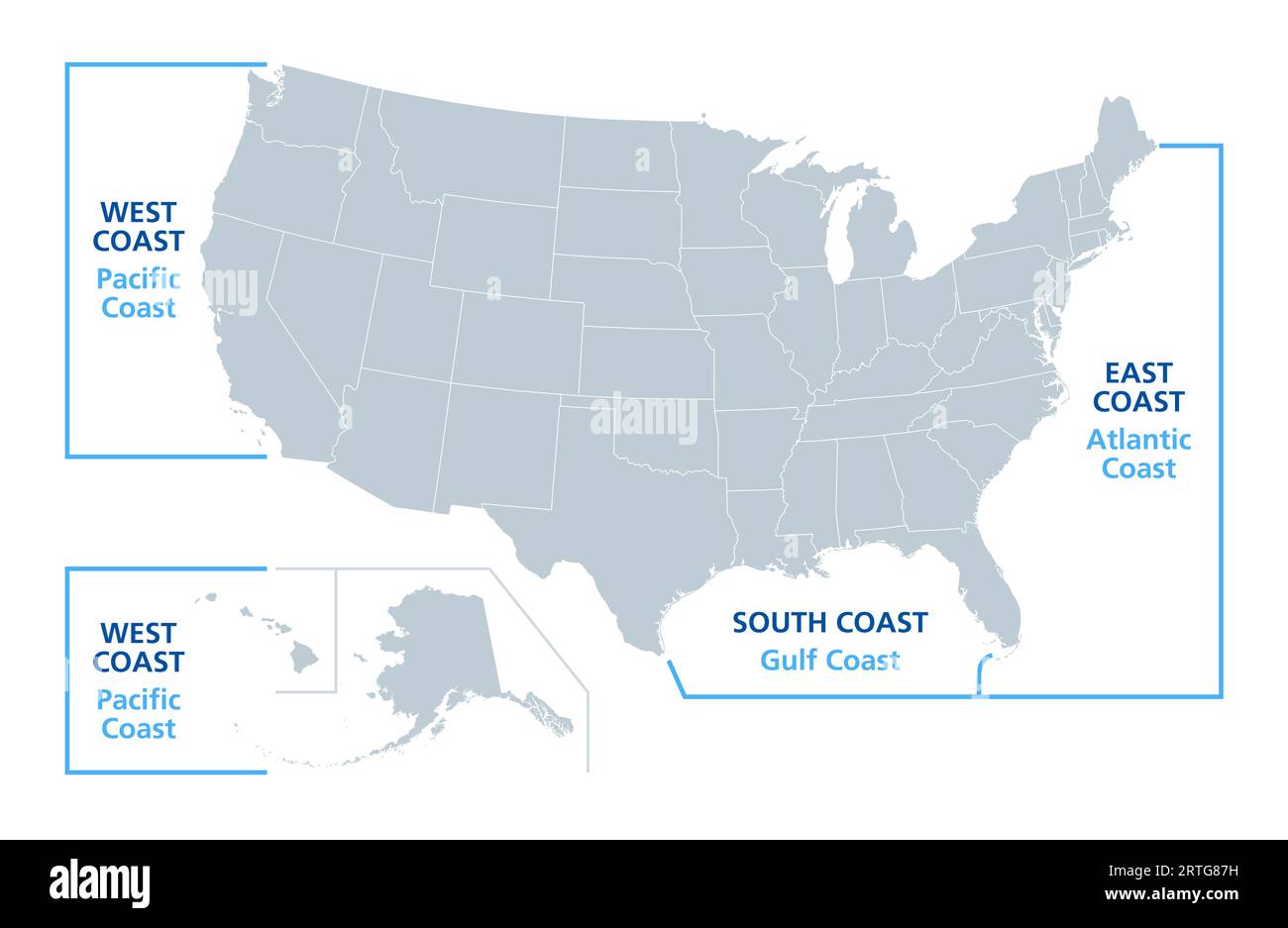
Deciding whether to live in Utah or California comes down to a fundamental trade-off: budget flexibility and mountain access versus cultural diversity and coastal weather. California remains a massive economic and cultural powerhouse, but its high housing costs and complex tax structures push many residents to look inland. Utah offers a growing tech hub along the Wasatch Front, significantly lower real estate prices, and world-class outdoor recreation, though it comes with distinct cultural and seasonal shifts.
Understanding how these two states compare requires looking past broad averages and examining daily expenses, tax implications, job markets, and lifestyle realities. If you're weighing a cross-country move or an internal relocation, looking closely at how your money and lifestyle translate in each state will shape your final choice.
Financial Realities: Cost of Living and Housing
The most immediate difference between Utah and California is financial. California is consistently ranked among the most expensive states in the country, driven largely by housing costs in coastal metros like San Francisco, Los Angeles, and San Diego.
Housing prices tell the clearest story. The median home price in California sits well above $750,000, with coastal properties regularly exceeding one million dollars. In contrast, Utah's median home value hovers around $520,000 to $570,000. While Utah's housing market has appreciated rapidly over the last decade, it still buys substantially more square footage, newer construction, and larger lots for the same financial investment.
Renters experience a similar divide. A two-bedroom apartment in Salt Lake City typically rents for under $1,500 per month, while a comparable space in major California urban centers often doubles that figure.
Beyond housing, everyday expenses diverge in predictable ways:
- Gasoline: Utah gas prices run consistently lower than California's, which frequently has the highest fuel costs in the nation due to specialized environmental regulations and high state taxes.
- Groceries and Dining: Basic food items and restaurant meals are generally 15% to 30% more expensive in California metro areas than along the Wasatch Front.
- Utilities: Energy costs can be comparable, as Utah households face heavy heating bills in winter and cooling costs in summer, offsetting some of the savings found in California's milder coastal microclimates.
Taxes and Financial Administration
Tax structures in Utah and California operate under entirely different philosophies, impacting everything from your paycheck to your annual property bill.
California utilizes a progressive income tax system with multiple brackets scaling up to 13.3%, plus an additional surcharge on high earners. Utah maintains a flat income tax rate of 4.5%, providing a simpler calculation and predictable deductions for middle- and high-income earners.
Property taxes also catch many relocators by surprise. While California is famous for Proposition 13—which caps annual increases on assessed value for long-term owners—new buyers purchasing at today's peak prices face hefty baseline bills. Utah's effective property tax rate is lower, often hovering around 0.48% for owner-occupied homes compared to California's higher statewide effective rates.
Sales taxes follow a similar pattern, with California averaging higher state and local combined rates than Utah. For a deeper breakdown of regional tax obligations, check out the Utah State Tax Commission or the California Franchise Tax Board.
Employment and Economic Opportunities
Job market strength is a major reason people stay in or move to these states, but the industries differ sharply.
California boasts the largest economy in the United States, anchored by Silicon Valley tech, entertainment in Los Angeles, global trade through major ports, and massive agricultural sectors. It offers an exceptionally diverse job market where professionals across nearly every niche can find specialized roles. However, competition is fierce, and the sheer size of the labor pool can make career advancement demanding.
Utah has cultivated its own economic identity, centered largely around the "Silicon Slopes" tech corridor stretching from Lehi up to Salt Lake City. Major software companies, financial institutions, and outdoor recreation brands maintain heavy footprints here. Utah's unemployment rate is traditionally lower than the national average, and the business climate is frequently cited as friendly to startups and corporate expansion.
Climate, Geography, and Outdoor Lifestyle
If your daily life revolves around the outdoors, both states deliver, but the environments couldn't be more distinct.
California offers Mediterranean weather along the coast, extensive beaches, surfing, and proximity to deserts and Sierra Nevada mountains. You can surf in the morning and drive to a mountain trail by afternoon, though coastal traffic congestion can severely test your patience.
Utah is a haven for mountain enthusiasts. Salt Lake City sits within an hour of world-class ski resorts, making winter sports a routine weekend—or weekday—activity. Hiking, mountain biking, and access to Utah's "Mighty 5" national parks draw outdoor lovers from across the globe.
The trade-off comes in seasonal extremes and air quality. Utah experiences four distinct seasons, including heavy winter snows and hot, dry summers. During winter weather inversions, trapped valley smog can temporarily lower air quality in the Salt Lake basin, a downside for those accustomed to coastal ocean breezes.
Culture, Community, and Daily Pace
Lifestyle pace shapes how at home you feel in your neighborhood.
California offers vast cultural diversity, world-renowned culinary scenes, bustling nightlife, and a progressive social fabric. It is fast-paced, sprawling, and individualistic.
Utah is traditionally family-centric, influenced historically and culturally by the Church of Jesus Christ of Latter-day Saints, though urban centers like Salt Lake City have grown increasingly cosmopolitan and secular. Communities often feel tighter, neighborhoods are oriented heavily toward family activities, and the overall pace outside rush-hour traffic feels calmer than coastal California.
For official demographic data and population growth trends across both regions, review reports from the U.S. Census Bureau.
Frequently Asked Questions
Is the cost of living gap shrinking between Utah and California?
While Utah was once considered an undiscovered budget-friendly haven, rapid population growth and housing demand along the Wasatch Front have driven up real estate and rental prices. However, California's baseline remains significantly higher, meaning the absolute dollar gap in housing and taxes remains wide.
How do commute times compare in Utah versus California?
California traffic is legendary for multi-hour freeway bottlenecks in Los Angeles, the Bay Area, and San Diego. Utah does experience rush-hour congestion along Interstate 15, but average commute times are generally shorter and less punishing than coastal California grids.
Does Utah have state income tax?
Yes. Unlike states with zero income tax, Utah charges a flat 4.5% income tax. While it is lower and simpler than California's progressive brackets that climb past 12%, it is still an important factor to calculate into your annual take-home pay.
Which state is better for raising a family?
Both states offer excellent public and private school options depending on the specific neighborhood or school district. Utah consistently ranks high for community safety, neighborhood walkability, and family-oriented infrastructure, whereas California excels in cultural enrichment, diversity, and extracurricular variety.