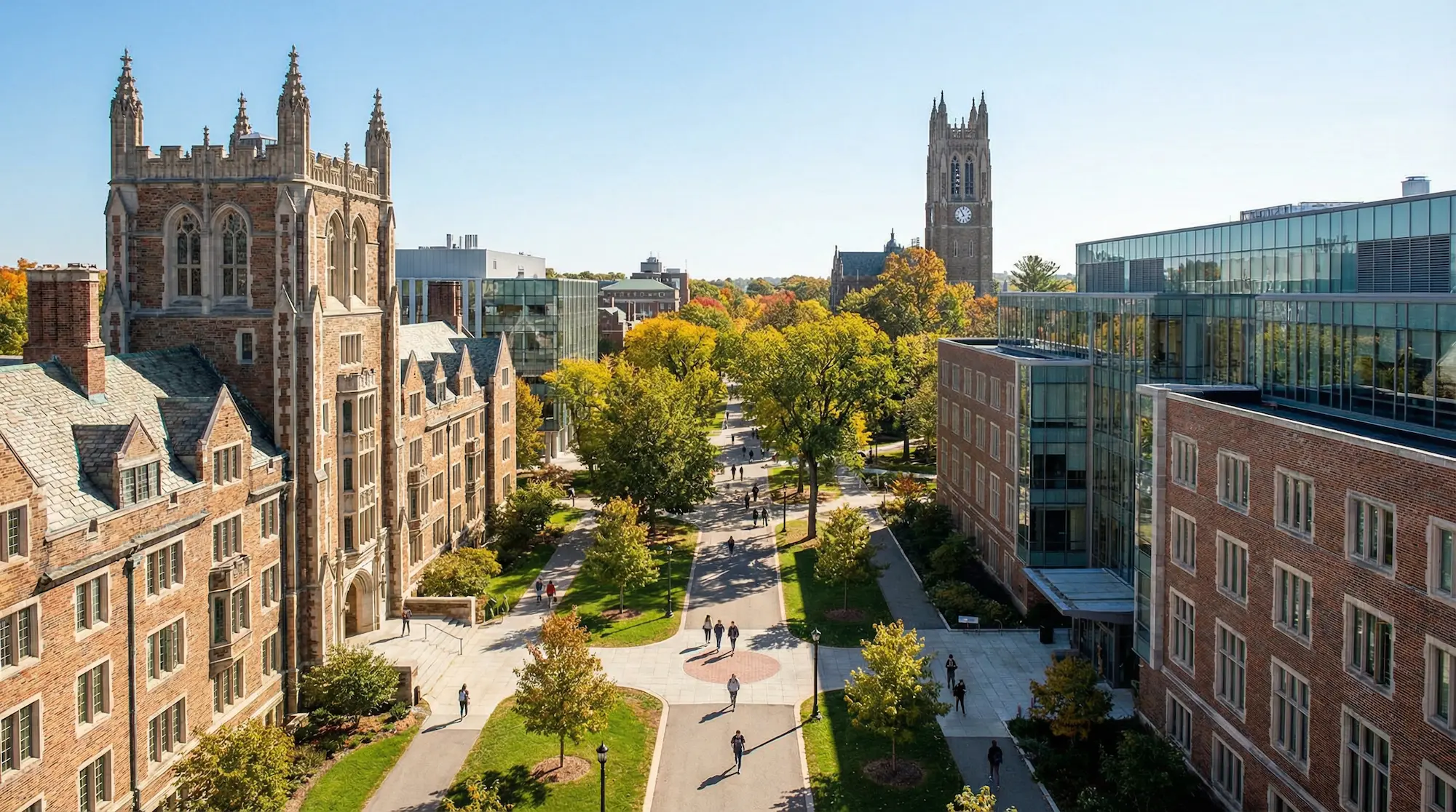
The University of Texas at Austin ranking positions the institution firmly among the top public research universities in the United States. Sitting within the top fifty national universities and routinely inside the top twenty public institutions according to metrics compiled by U.S. News & World Report, UT Austin has engineered a deliberate ascent. This climb stems from aggressive research expansion, tighter admission selectivities, and significant capital investments in STEM fields, business, and computer science. However, this rise brings distinct tensions regarding tuition costs, state funding fluctuations, and the broader social mission of public higher education.
Understanding this trajectory requires looking past general prestige metrics and examining how institutional priorities shape data outcomes. Rankings don't happen by accident; they reflect strategic resource allocation, faculty recruitment priorities, and graduation rate optimization. While administrators celebrate each incremental jump on national lists, students and faculty navigate the operational realities behind those numbers, from larger class sizes in popular majors to the escalating cost of attendance in the capital of Texas.
The Mechanics Behind the Rankings
National publications evaluate universities using quantitative and qualitative indicators, including peer assessment surveys, graduation rates, faculty resources, financial resources per student, and student excellence metrics like standardized test scores and high school class rank. For UT Austin, historical enrollment policies dictated by state law—such as the top ten percent rule—created a uniquely structured undergraduate population. To boost its standing against private elite institutions and peer flagship public universities like UCLA or UC Berkeley, UT Austin intentionally amplified its admissions selectivity for out-of-state and holistic review applicants.
This shift altered campus demographics and academic profiles. Average grade point averages and standardized test scores for incoming freshmen climbed steadily over the past two decades. Furthermore, the institution capitalized on its National Science Foundation funding growth and corporate partnerships centered around Austin’s booming technology sector. When a university increases its annual research expenditures past the billion-dollar threshold, it attracts top-tier faculty who secure grants and publish heavily, directly feeding the research productivity scores that weight heavily in global and national methodologies.
Research Dominance and Economic Impact
A major catalyst for UT Austin's elite status is its massive research enterprise. The university houses world-class laboratories, specialized computing facilities like the Texas Advanced Computing Center, and institutes dedicated to energy transition, semiconductor design, and artificial intelligence. These centers do more than publish academic papers; they anchor Central Texas as a primary technology and innovation corridor.
Corporate titans and federal agencies invest heavily in UT Austin because its graduates populate the regional engineering and software pipelines. This symbiotic relationship with industry boosts employer reputation surveys—a subjective component of many ranking systems where hiring managers rate the preparedness of graduates. When companies like Dell, Oracle, Tesla, and numerous startups actively recruit from campus, external reputation scores rise in tandem with patent generation and commercial licensing revenue.
Tuition Pressures and the Access Dilemma
As UT Austin climbs toward the upper echelons of public prestige, it faces a persistent critique: balancing elite aspirations with public accessibility. State appropriations per full-time student have failed to keep pace with inflation over long horizons, forcing the university to lean harder on tuition revenue, auxiliary services, and philanthropic gifts. While institutional leaders emphasize robust financial aid guarantees—such as covering tuition for families earning below specific income thresholds—middle-income families often feel squeezed by sticker prices and mandatory fees.
The pursuit of higher rankings can also incentivize administrative spending on amenities, honors programs, and targeted recruitment that favor wealthier applicants who can pay full out-of-state tuition. Out-of-state and international enrollment has grown significantly, bringing vital revenue but drawing scrutiny from state legislators concerned about local access for Texas residents. Navigating this tension is critical; a public university loses its core mandate if its pursuit of national prestige prices out the very population it was chartered to serve.
Comparative Positioning Against Peer Flagships
When evaluating where UT Austin stands, context matters. It competes directly with institutions like the University of Michigan, UC Berkeley, and the University of Virginia for top students and faculty. While Michigan and Berkeley often hold slight advantages in overall national rank due to larger endowment per student ratios and historical prestige, UT Austin frequently outperforms them in specific niche programs.
Its Cockrell School of Engineering and McCombs School of School of Business consistently rank among the top ten nationally, drawing elite applicants who might otherwise choose private institutions like MIT or Stanford. Computer science at UT Austin has similarly exploded in prominence, fueled by the regional tech boom. These departmental strengths act as engines for the university's overall brand, pulling the institution upward even when humanities or social science divisions face resource constraints.
Frequently Asked Questions
What is UT Austin's current national ranking?
UT Austin typically ranks within the top fifty national universities according to major publications like U.S. News & World Report, and sits comfortably inside the top twenty when isolating public universities. Exact positions fluctuate slightly year-to-year based on changes in graduation rate formulas and peer assessment weights.
How does the top ten percent rule affect UT Austin's admissions?
Texas state law requires UT Austin to automatically admit students who graduate in the top decile of their high school class. Because this fills a substantial portion of the incoming class, the university uses holistic review processes for the remaining seats, heavily prioritizing out-of-state and international applicants to drive up average academic metrics and geographic diversity.
Why are rankings important to a public university?
Rankings influence donor behavior, corporate partnership decisions, out-of-state student recruitment, and faculty retention. A higher standing signals institutional quality, which can translate into larger endowments, more competitive grant funding, and greater leverage in legislative funding discussions.
Does UT Austin offer financial aid to offset rising tuition?
Yes, the university operates targeted affordability programs, such as the Texas Admissions Guarantee and various institutional grant initiatives, designed to cover tuition and fees for low- and middle-income undergraduate students who are Texas residents.



