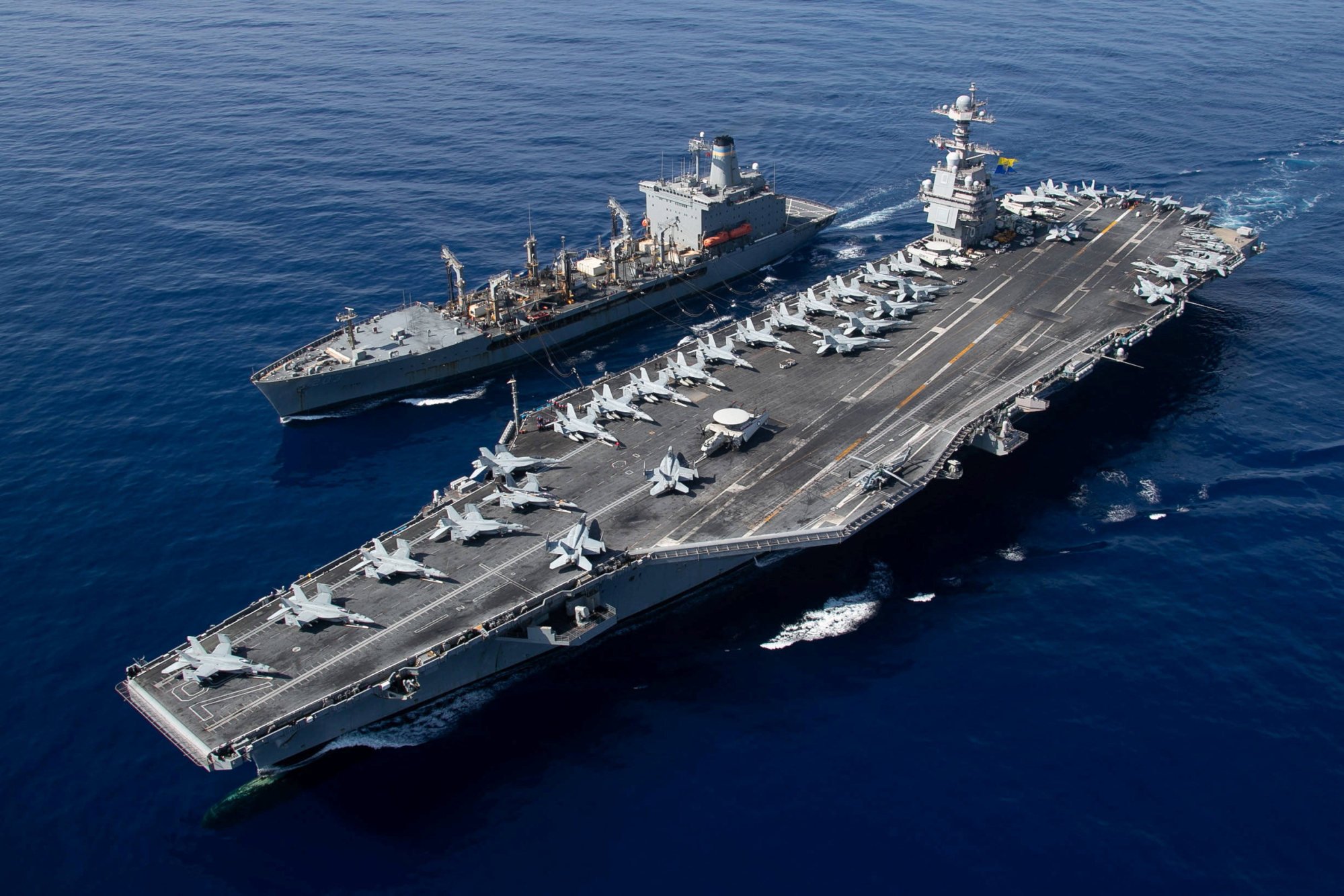
Operating quietly beneath the surface, the USS Minnesota (SSN-783) represents a critical asset within the United States Navy's nuclear-powered fast-attack fleet. As the tenth vessel of the Virginia-class and the final ship of Block II, this submarine combines advanced stealth engineering, heavy payload capacity, and sophisticated sensor integration to execute global missions. From anti-submarine warfare to intelligence collection, understanding its core capabilities provides a clear look at modern undersea dominance.
Built by Huntington Ingalls Industries at Newport News Shipbuilding, the vessel was commissioned in September 2013. It measures roughly 377 feet in length and displaces approximately 7,800 tons when submerged. Powered by a nuclear reactor that eliminates the need for traditional refueling over its core lifecycle, the submarine can sustain underwater speeds exceeding 25 knots indefinitely, constrained only by food supplies and crew endurance.
Engineering and Architectural Design
The structural design of the Virginia-class marked a major shift from legacy Cold War platforms like the Los Angeles-class. Engineers prioritized modular construction, photonics masts instead of traditional optical periscopes, and a large open-architecture command center.
Instead of a bulky rotating tube cutting through the hull, the ship utilizes high-resolution digital cameras and electronic sensors. This setup transmits visual data directly to monitors inside the control room, which sits one deck lower than older designs. Moving the control center away from the direct line of the hull layout frees up valuable internal space and optimizes crew ergonomics during long deployments.
Propulsion relies on a pressurized water nuclear reactor driving a pump-jet propulsor rather than a standard spinning screw. This pump-jet configuration drastically reduces acoustic signatures by suppressing cavitation bubbles, making the vessel exceptionally difficult for enemy passive sonar arrays to track across varying ocean layers.
Core Tactical Capabilities and Weapons Systems
A fast-attack submarine must handle multiple mission profiles ranging from coastal reconnaissance to open-ocean conflict. The vessel features a heavy payload configuration designed for both offensive strikes and defensive defense.
- Vertical Launch System: Two large-diameter vertical launch tubes capable of firing multiple Tomahawk land-attack missiles in rapid succession.
- Torpedo Tubes: Four 21-inch torpedo tubes equipped for Mk-48 ADCAP heavy torpedoes and mobile mine-laying payloads.
- Special Operations Integration: A lockout chamber that allows Navy SEAL teams and combat swimmers to exit and re-enter the vessel while submerged during covert insertion missions.
- Advanced Sonar Suite: A wide-aperture flank array, spherical bow array, and high-frequency towed sonar arrays that feed raw acoustic data into computerized signal-processing systems.
These capabilities allow the crew to conduct surveillance near foreign coastlines without detection. The integration with broader naval networks ensures that tactical data gathered by the ship's sensors can be shared instantly with surface action groups or carrier strike forces.
Operational History and Deployments
Since entering service, the vessel has maintained a high operational tempo across multiple fleet commands. Following initial post-commissioning yard periods and systems testing, the submarine was assigned to Naval Submarine Base New London in Groton, Connecticut.
It completed its maiden North Atlantic deployment, visiting allied ports such as Faslane, Scotland, and Haakonsvern, Norway, to test cold-water operations and interoperability with NATO partners. These European rotations test logistical support structures in sub-arctic environments where heavy ice and acoustic anomalies present unique navigation challenges.
Later in its operational timeline, the homeport shifted to the Pacific theater, aligning with strategic shifts toward the Indo-Pacific region. Operating from locations like Joint Base Pearl Harbor-Hickam and Naval Base Guam, the submarine routinely participates in multinational exercises such as RIMPAC, working alongside allied surface ships and aircraft to refine joint anti-submarine tactics.
Maintenance Cycles and Modernization
Keeping a nuclear-powered attack submarine mission-ready requires rigorous maintenance intervals. The vessel has undergone scheduled dry-dock periods at naval shipyards to overhaul mechanical valves, update combat management software, and inspect reactor secondary systems.
These shipyard availabilities incorporate continuous feedback from fleet operators. Software upgrades often focus on improving automated target recognition algorithms and enhancing cyber-defense hardening against electronic warfare interference. By refreshing internal computing architecture mid-lifecycle, the Navy ensures that older Block II hulls remain combat-relevant against evolving foreign sensor technologies.
For deeper insights into naval fleet organization, you can explore the U.S. Navy Official Site. Additional technical architecture breakdowns are available through the Congressional Research Service.
Frequently Asked Questions
What is the primary mission of the USS Minnesota?
The primary mission is fast-attack operations, which include hunting enemy submarines, destroying surface warships, launching precision land-attack cruise missiles, gathering intelligence, and supporting special operations forces.
How many crew members serve on board?
The submarine operates with a complement of approximately 134 personnel, including officers and enlisted sailors trained across nuclear engineering, navigation, sonar operation, and weapons handling.
Does the submarine require refueling?
No. The nuclear reactor core is designed to power the vessel for its entire estimated service life of over 30 years without requiring a costly and time-consuming mid-life nuclear refueling overhaul.
Where is the homeport located?
The vessel has operated out of both Atlantic and Pacific fleet concentration areas, spending significant time supporting operations from bases in Connecticut, Hawaii, and Guam.



