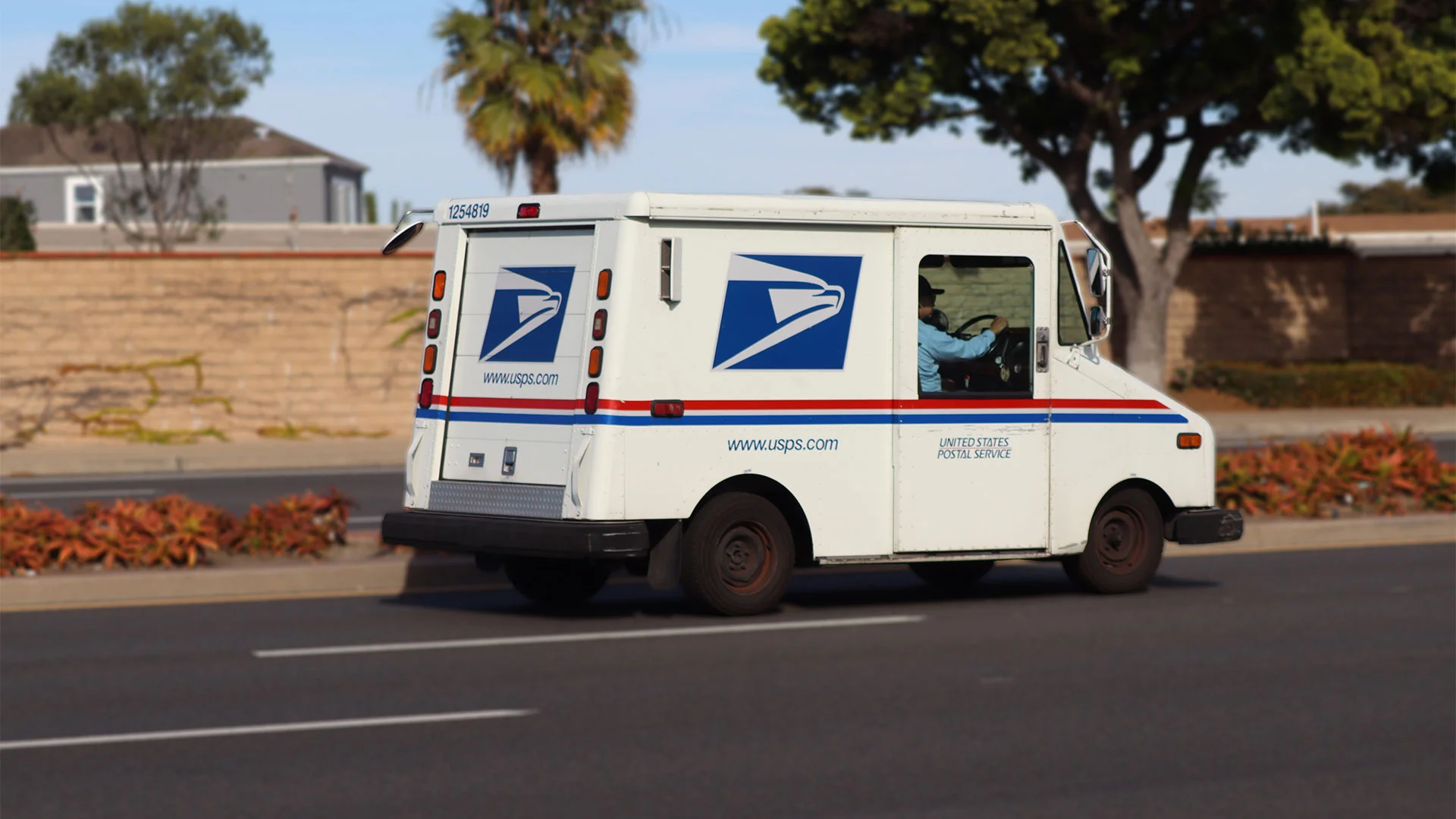
Navigating postal transit estimates doesn't have to feel like guessing. USPS Ground Advantage serves as the primary domestic ground shipping option for packages up to 70 pounds, consolidating older services like First-Class Package Service and Retail Ground. Delivery typically takes 2 to 5 business days depending on the distance between the origin and destination. Understanding how transit maps and postal zones interact helps you set accurate customer expectations and control fulfillment expenses.
Unlike a fixed regional map, postal zones are dynamic. They are calculated based on the exact distance in miles between the origin ZIP code and the destination ZIP code. A package traveling across town falls into a local or low zone, whereas a shipment crossing the country reaches Zone 8. Because Ground Advantage pricing and delivery speeds scale directly with these zones, checking the official transit map before printing labels prevents unexpected delays and budget overruns.
How USPS Ground Advantage Zones Work
Postal zones divide the United States into distinct mileage brackets that dictate both transit time and postage cost. Every shipping origin generates its own unique set of zones for every destination ZIP code.
- Zone 1 and Zone 2: Covers local deliveries and short distances up to 150 miles. These shipments usually arrive at their destination within 2 business days.
- Zones 3 through 5: Covers distances from 151 to 1,000 miles. Transit times generally average 3 business days.
- Zones 6 through 8: Covers long-distance and cross-country transit from 1,001 to over 1,800 miles, including remote regions. These packages typically require 4 to 5 business days.
- Zone 9: Covers non-contiguous U.S. territories, Freely Associated States, and specific military installations (APO/FPO/DPO). Delivery windows extend beyond standard domestic timeframes.
Checking the official USPS Service Standards tool allows you to input your specific 5-digit dispatch ZIP code and view color-coded transit expectations for any destination.
Factors Influencing Actual Delivery Speeds
While the 2-to-5-day window applies to the majority of domestic shipments, several operational variables shift actual arrival dates. Recognizing these variables prevents customer service friction.
Day of Entry and Acceptance Cut-Off Times
Handing a package to postal workers after daily dispatch cut-off times pushes the official acceptance date to the following business day. Furthermore, weekends and federal holidays do not count toward transit standards. For instance, dropping off a 3-day transit standard package late Friday afternoon means scanning occurs Saturday, making Wednesday the expected delivery day.
Package Content Restrictions
Ground Advantage is the designated service tier for shipping eligible hazardous materials (HAZMAT) that cannot travel via commercial air transit. However, parcels containing permitted HAZMAT materials travel via surface transportation exclusively, which can occasionally extend transit times for long-haul zones.
Dimensional Weight and Surcharges
Postage calculations evaluate both actual weight and dimensional (DIM) weight for larger parcels. If a box exceeds 1 cubic inch threshold calculations, or features non-standard characteristics such as mailing tubes, rigid plastic polybags with shifting contents, or long dimensions over 22 inches, extra handling surcharges apply. Keeping boxes compact avoids these penalty fees.
Practical Steps to Optimize Your Ground Shipping Workflow
Implementing a structured approach to zone management minimizes overhead and accelerates transit reliability.
- Audit your historical shipping data: Export your past order fulfillment logs to identify which postal zones account for the highest percentage of your customer base.
- Utilize commercial pricing: Avoid retail counter rates by purchasing postage online through platforms like Shippo or USPS Click-N-Ship to access discounted commercial rates.
- Weigh and measure accurately: Measure box dimensions before sealing. Fractions of an inch round up, and miscalculated sizes trigger automated postal adjustments.
- Distribute inventory strategically: If order volume justifies it, splitting inventory across regional fulfillment centers drops long-distance Zone 7 and 8 orders down into closer, cheaper zones.
Frequently Asked Questions
What happened to First-Class Package Service?
USPS replaced First-Class Package Service, Retail Ground, and Parcel Select Ground with Ground Advantage to streamline domestic ground operations into a single cohesive service tier.
Is insurance included with USPS Ground Advantage?
Yes. Every domestic Ground Advantage label includes up to $100 of insurance coverage for loss or damage, along with end-to-end tracking at no additional charge.
Are transit times guaranteed?
No. The 2 to 5 business day delivery window is an expected service standard rather than a money-back guaranteed commitment. Time-sensitive shipments requiring guarantees should utilize Priority Mail Express.
How do I find my exact shipping zones?
You can generate a customized zone matrix chart or lookup tool using postal resource platforms like the Pirate Ship Zone Map by entering your origin ZIP code.