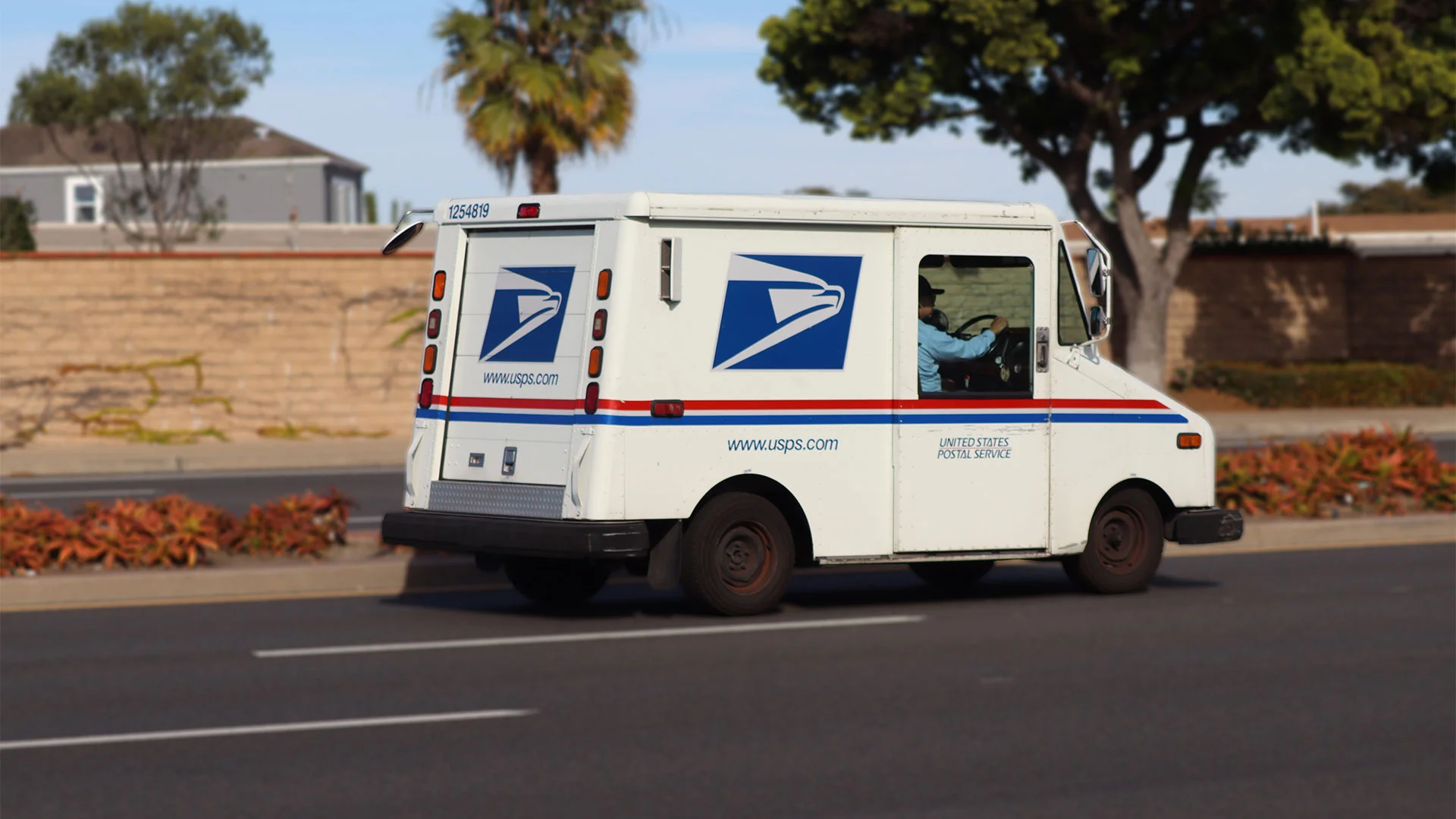
If you've noticed that your letters and packages are taking longer to arrive, you're not imagining things. The United States Postal Service has undergone significant structural overhauls, shifting how mail moves across the country. Understanding these changes helps you set realistic expectations for personal mail and business shipments.
The postal network is transitioning from localized sorting to massive regional processing hubs. While these updates aim to modernize long-term operations and reduce financial strain, they have created short-term bottlenecks, altered service standards, and shifted delivery timelines for first-class mail and packages.
Understanding Current USPS Network Consolidations
The core driver behind recent delivery shifts is the ongoing implementation of the Delivering for America plan. This multi-year strategy reorganizes the physical footprint of the postal network.
Historically, mail moved through hundreds of smaller, local processing and distribution centers. Under the new model, the Postal Service is consolidating these into roughly 60 large Regional Processing and Distribution Centers (RPDCs).
How Regionalization Affects Transit Times
When local sorting facilities are streamlined into centralized regional hubs, the routing path changes:
- Mail originating from smaller towns often travels a greater distance to reach the designated regional hub before heading toward its destination.
- Direct point-to-point transit between adjacent communities is frequently replaced by a hub-and-spoke model, adding days to transit windows.
- Facilities undergoing equipment upgrades or modernization work temporary processing backlogs while new high-speed sorting machines are installed.
Shifts in Transportation and Logistics
Beyond facility consolidation, the postal network has altered how mail travels between cities and states. These adjustments directly impact transit consistency.
The Move Away From Air Cargo
For decades, long-distance first-class mail relied heavily on commercial and cargo air transportation to cross the country in two to three days. The Postal Service has systematically shifted a larger share of long-distance mail to ground transportation networks. Ground transit is cost-effective, but it naturally extends delivery windows for cross-country shipments.
Regional Transportation Optimization
Changes to collection schedules mean that evening pickups from post offices located more than 50 miles away from a regional hub have been adjusted. Mail dropped off late in the day often sits overnight before beginning its journey to the processing center, adding an extra day to the overall delivery timeline.
How to Track and Manage Service Disruptions
Navigating postal shifts requires proactive tracking and clear communication, especially for small business owners and frequent shippers.
- Check official USPS Service Alerts regularly for weather events, facility closures, or temporary suspensions affecting specific ZIP codes.
- Use the official USPS FAQ and Updates Page to review international suspensions or military post office delivery updates.
- Build a buffer into your shipping expectations, allowing an extra two to three days for standard delivery routes compared to historical baselines.
- Keep tracking numbers active and utilize Informed Delivery options to monitor packages as they move through regional processing facilities.
Common Shipping Mistakes to Avoid
When postal standards shift, old shipping habits can lead to missed deadlines and frustrated recipients. Avoid these frequent missteps:
- Quoting old delivery windows: Don't promise buyers or family members standard 2-to-3-day arrival times for standard ground or first-class mail on long-distance routes.
- Skipping service alerts: Failing to check regional disruptions can result in dropping off parcels at facilities experiencing temporary weather or maintenance delays.
- Failing to insure valuable items: As transit networks adjust, relying solely on standard tracking without appropriate insurance or Priority service for time-sensitive documents increases risk.
- Ignoring destination factors: Rural addresses and noncontiguous states often experience different transit standards than major urban distribution corridors.
Frequently Asked Questions
Are all USPS services experiencing delays?
Not uniformly. Express and priority services maintain stricter delivery standards, while first-class letters, flats, and ground parcel services feel the brunt of regional hub routing and ground-transportation transitions.
Why do tracking updates sometimes stall for days?
When mail moves between regional facilities via ground transportation, packages may not receive intermediate scan updates until they arrive at the next major processing hub. A lack of scans does not automatically mean a package is lost.
How can I check if my local post office is affected?
The USPS PostalPro Industry Alerts portal publishes detailed operational notices regarding facility changes, temporary closures, and regional processing updates.
Will delivery times improve in the future?
As the physical network completes its consolidation phase and equipment upgrades finish, routing efficiency is expected to stabilize. However, structural ground-transportation schedules remain the new baseline for postal operations.