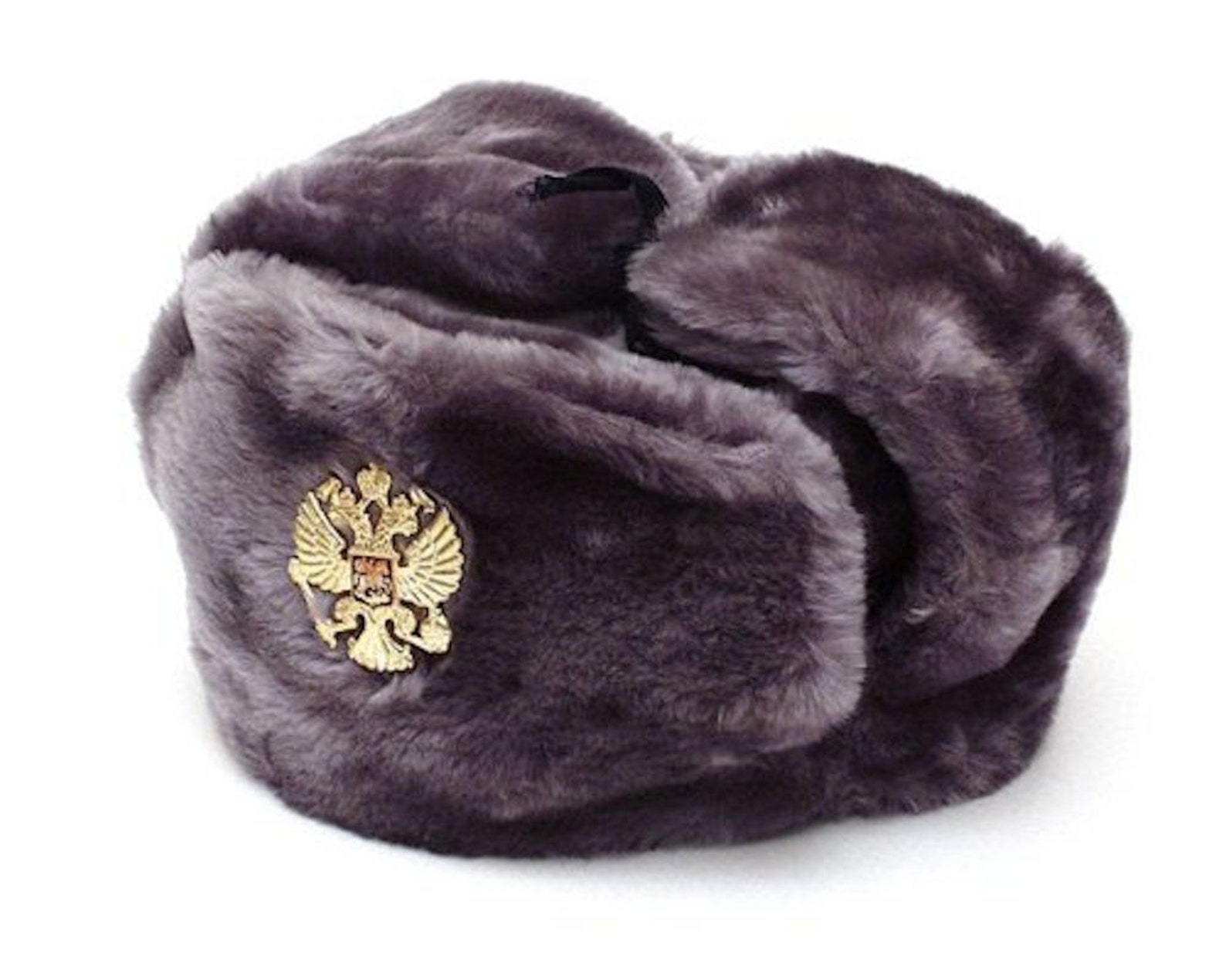
The ushanka is a Russian fur cap with ear flaps that can be tied up to the crown or tied down to protect the ears, chin, and lower neck from sub-zero temperatures. Originally designed to survive brutal winters on the Eurasian steppe, this iconic headwear evolved from a simple military necessity into a global symbol of cold-weather utility and political history. If you're looking to understand how a piece of military gear conquered the globe, you need to examine its practical roots, its Soviet standardization, and its modern presence on city streets.
Surviving freezing winters requires more than just a heavy coat; protecting your head and ears is vital when temperatures plummet below negative twenty degrees. The ushanka answers this exact demand through clever structural design and thick natural insulation. It blocks biting wind, traps body heat, and allows the wearer to adjust coverage depending on changing weather conditions. While modern synthetic materials exist, few designs match the straightforward efficiency of this classic Russian hat.
Origins and Evolution on the Eurasian Steppe
Long before it became the official headwear of the Soviet armed forces, similar ear-flapped hats existed across Eastern Europe, Siberia, and Central Asia. Nomadic tribes residing in harsh northern climates utilized animal pelts to construct head coverings featuring drop-down flaps. The direct ancestor of the modern ushanka is often traced to the treukh, a traditional three-pointed hat worn in Russia for centuries, and the malakhai, a tall cylindrical fur hat with even longer ear flaps worn by Siberian peoples.
During the Russian Civil War, various military factions sought practical ways to keep troops warm. Alexander Kolchak's White Army troops famously wore a fleece hat often called the kolchakovka around 1918. This design bore a striking resemblance to the modern ushanka. While Kolchak's forces lost the conflict, the functional shape of their winter headwear caught the attention of military strategists who needed better gear for soldiers stationed in Siberia and the Arctic circle.
Standardization in the Soviet Military
The Soviet Union officially adopted the ushanka for its armed forces in the 1930s, replacing the traditional budenovka cloth helmet, which offered virtually no protection against bitter winter winds. The Red Army needed a standardized, highly durable hat that could withstand freezing conditions during long guard duties and winter campaigns.
In 1940, the ushanka became standard issue for the Soviet Navy and later the Red Army. The design utilized heavy wool felt or sheepskin on the exterior, paired with thick fur or faux fur lining the inner panels and flaps. Soldiers learned specific regulations for wearing the hat based on the weather and military rank. When temperatures dropped significantly, troops untied the flaps to cover their ears and chin. In milder weather, the flaps were folded upward and neatly tied at the crown.
The choice of materials depended heavily on rank and branch of service. High-ranking officers often received genuine fur pelts such as gray astrakhan, muskrat, or rabbit, while regular enlisted personnel wore synthetic faux fur known colloquially as "fish fur" due to its low cost and texture. The front center of the hat always featured a Soviet star badge, which was either gold for officers or red-enameled brass for enlisted soldiers. This uniform standard cemented the hat's visual association with the Soviet Union in the global imagination.
Global Spread and Cold War Iconography
During the Cold War, Western media frequently broadcast images of Soviet leaders, soldiers, and citizens bundled up in massive fur hats during Red Square parades. This constant exposure turned the ushanka into a shorthand visual trope for Russia and the Soviet bloc in American and European pop culture.
Tourism and international trade eventually brought the hats to Western markets. Travelers visiting Moscow or Leningrad often purchased them as authentic souvenirs. By the late twentieth century, specialty military surplus stores across North America and Europe stocked surplus Soviet ushankas. Civilians working outdoors, construction workers, and winter sports enthusiasts quickly realized that these surplus items outperformed many commercial winter hats available at the time.
The hat also transitioned into high fashion and cinema. Hollywood costume designers utilized the silhouette to evoke a distinct atmosphere in spy thrillers and historical dramas set during winter. Designers in Paris and New York eventually borrowed the shape, crafting luxury versions using high-end mink, fox, and shearling. Today, the design appears regularly on winter runways, proving that practical utility can successfully bridge the gap into luxury fashion.
Anatomy and Proper Wear of the Ushanka
Understanding why the ushanka works requires looking closely at its parts. A standard hat consists of the crown, the brim at the front, and three flaps: two side flaps that double as ear covers, and a rear flap for the neck.
- The Crown: The top portion is usually quilted and padded with wool or batting to insulate the top of the head, which loses significant body heat.
- The Front Brim: A small rigid or semi-rigid visor shields the forehead from snow and glare.
- The Ear Flaps: Long side panels feature attached fabric cords or leather ties. When untied, they drop down to completely cover the ears, cheeks, and jawline.
- The Rear Flap: Drops down to protect the back of the neck from drafts and blowing snow.
Wearing an ushanka correctly involves adjusting it to the environment. In moderate cold, tie the flaps securely over the crown. When the wind picks up or the temperature drops below freezing, untie the cords and let the flaps hang down. Secure them loosely under your chin using the integrated ties if you face heavy blizzards. This adjustability provides a level of versatility that standard beanie caps simply cannot match.
Common Mistakes When Buying and Wearing a Fur Hat
Many buyers make avoidable errors when purchasing or maintaining a traditional ushanka for winter use. Avoiding these pitfalls ensures your hat lasts for years and performs as intended.
- Ignoring the material type: Buying cheap synthetic fur might save money upfront, but low-quality acrylic materials trap moisture, freeze up in damp snow, and lack the breathable warmth of natural wool or genuine pelts. Look for cotton-canvas shells paired with real sheepskin or high-grade faux fur.
- Wrong sizing: Unlike stretchy beanies, structured ushankas come in exact hat sizes or centimeters. A hat that is too tight restricts blood circulation to your head, making you colder. A hat that is too loose will catch the wind and fly off your head. Always measure your head circumference before ordering online.
- Improper cleaning: Tossing a genuine fur or structured wool hat into a washing machine ruins the internal buckram and ruins the pelts. Clean natural fur by taking it to a professional furrier, and spot-clean canvas shells with a damp cloth and mild soap.
- Over-reliance on the visor: Don't pull the front visor down too low over your eyes. The hat is designed to sit comfortably just above your eyebrows, allowing full peripheral vision while keeping your forehead warm.
For those interested in historical context or authentic cold-weather gear, resources like the Imperial War Museums offer deep archives on military uniform development throughout the twentieth century, while organizations like Library and Archives Canada document how northern workers adapted similar protective clothing for extreme northern climates.
Frequently Asked Questions
Are modern ushankas made from real fur or synthetic materials?
You can find both options widely available today. Ethical concerns and manufacturing shifts have made faux fur and synthetic linings much more common in commercial retail. However, specialized military surplus stores and traditional furriers still sell hats made from rabbit, sheepskin, muskrat, and other natural pelts.
How do I clean and maintain a fur ushanka?
Never submerge a traditional ushanka in water or put it in a clothes dryer. If the exterior canvas or wool gets dirty, wipe it gently with a damp sponge. If the fur lining gets wet from snow, shake it off and let it air dry at room temperature away from direct heat sources like radiators.
Can you wear an ushanka in mild winter weather?
Yes, but you will likely overheat if temperatures are above freezing. The primary purpose of the hat is extreme cold insulation. When the weather is mild, wearing the hat with the ear flaps tied up on top of the crown allows some airflow and prevents excessive sweating.
What is the difference between a ushanka and a trapper hat?
The terms are often used interchangeably today, but the ushanka specifically refers to the traditional Russian military design with its distinct star insignia and precise geometric flap layout. Modern "trapper hats" sold in Western retail stores are heavily inspired by the ushanka but usually feature modern fashion branding, snap closures instead of fabric ties, and softer unstructured crowns.



