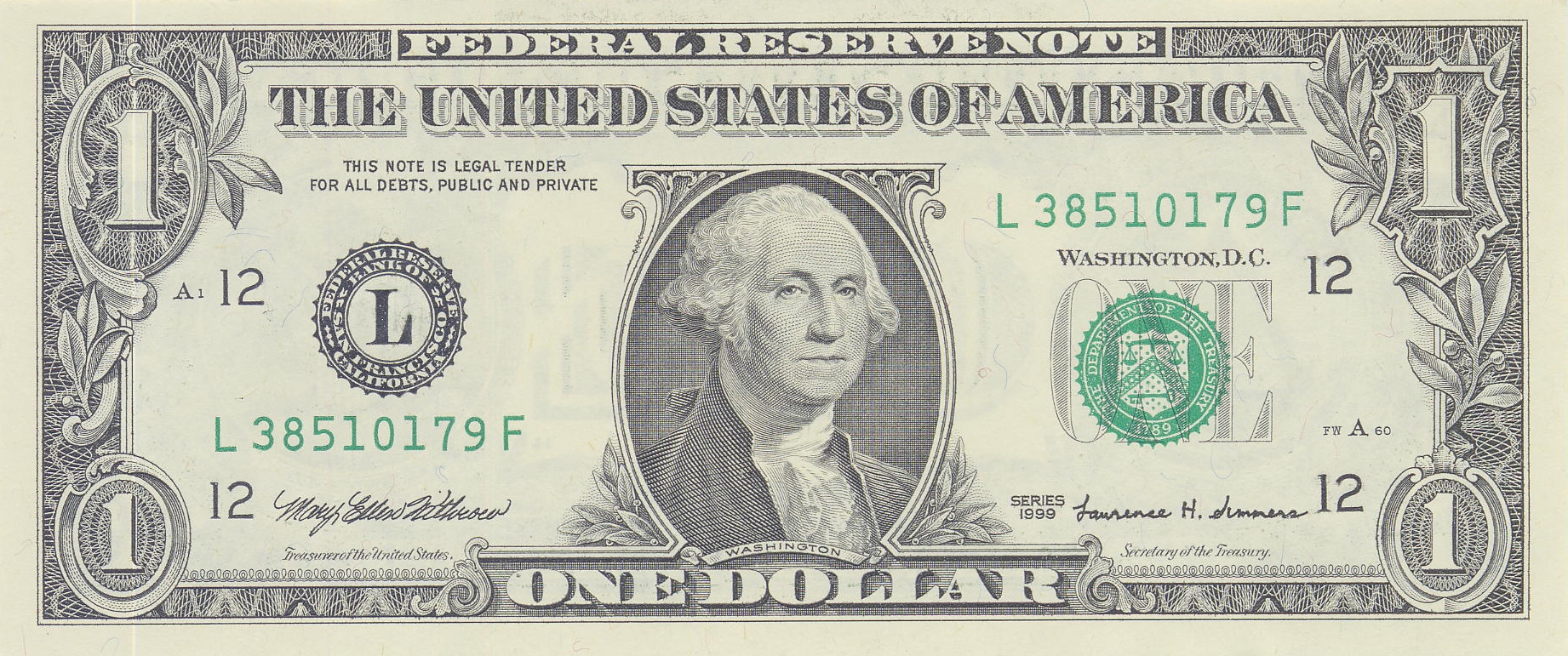
The USD to JOD exchange rate is anchored by a formal peg set at approximately 0.709 Jordanian Dinars per one US Dollar. This fixed arrangement means that unlike floating global currencies which fluctuate daily against market supply and demand, the dinar remains tightly bound to the US dollar. For businesses, expatriates, and travelers handling transactions in Jordan, this predictability eliminates foreign exchange volatility, though it ties domestic monetary policy directly to the decisions of the US Federal Reserve.
Maintaining this fixed parity requires substantial foreign currency reserves managed closely by the Central Bank of Jordan. When global markets shift or regional economic conditions alter trade balances, understanding how this peg operates helps stakeholders manage cross-border capital flows, inflation risks, and travel expenses without unexpected currency surprises.
Mechanics of the Dinar Peg
The Jordanian Dinar has been pegged to the US dollar since 1995, following a previous peg to the International Monetary Fund's Special Drawing Rights. Under this system, commercial banks buy and sell US dollars against Jordanian dinars within narrow, predetermined bands that center strictly around the 0.709 rate.
To defend this rate, the central bank maintains large cushions of foreign currency reserves, primarily accumulated through tourism receipts, worker remittances, foreign grants, and exports. If demand for US dollars spikes locally, the central bank supplies foreign currency from its reserves to satisfy the market without letting the dinar depreciate. Conversely, an influx of foreign currency allows the central bank to absorb excess dollars, keeping the valuation locked in place. This mechanism provides immense stability, making the dinar one of the stronger and more stable circulating currencies in the region.
Impact on Import-Heavy Trade
Jordan relies heavily on imported energy, food supplies, and manufactured goods. Because major global commodities are priced in US dollars, the fixed exchange rate acts as a double-edged sword for local importers and consumers.
When the US dollar strengthens globally against other major currencies like the euro or the British pound, Jordanian imports sourced from Europe or Asia can become more expensive relative to American goods. However, because the dinar moves in lockstep with the dollar, import costs from the United States remain stable. Importers don't need to purchase complex hedging instruments or forward contracts to protect their profit margins from currency swings.
Local businesses managing supply chains benefit from predictable pricing structures. They can forecast inventory costs months in advance without accounting for sudden currency depreciation. At the same time, exporters face pricing pressures if they sell into markets whose currencies weaken against the dollar, making Jordanian goods pricier for foreign buyers.
Monetary Policy and Interest Rate Coupling
A fixed exchange rate leaves little room for independent domestic interest rate policies. To maintain the peg and prevent capital flight, the Central Bank of Jordan typically mirrors the benchmark interest rate adjustments made by the US Federal Reserve.
When the Federal Reserve raises interest rates to combat domestic inflation, Jordan must follow suit by lifting local borrowing costs. Higher interest rates slow down domestic credit growth, cool real estate markets, and increase debt servicing burdens for local consumers and small businesses.
If Jordan failed to match US rate hikes while offering lower returns, investors would rapidly convert Jordanian dinars into US dollars to chase higher yields abroad. This outflow would drain foreign reserves and threaten the viability of the peg. Consequently, local monetary policy prioritizes external currency stability over localized economic stimulus.
Practical Guidance for Travelers and Expats
Visiting Jordan or relocating for work requires navigating cash management, payment methods, and currency exchange logistics. Because the exchange rate is fixed, you won't need to hunt for competitive rates across different exchange houses for standard banknotes, though minor commission fees will vary.
- Bring US Dollars or Use Local ATMs: Major international credit cards are widely accepted in Amman, Petra, and Aqaba, but cash remains essential for smaller shops, taxis, and rural destinations. Carrying pristine US dollar bills allows you to exchange them easily at local banks without steep markups.
- Avoid Airport Exchange Traps: While airport kiosks offer convenience upon landing at Queen Alia International Airport, their commission rates and spreads are less favorable than banks located within the city center.
- Understand ATM Fees: Local Jordanian banks charge standard out-of-network or foreign card transaction fees. Check whether your home bank reimburses international ATM fees to keep travel costs down.
- Plan for Cash-Heavy Sectors: Tipping, historical site guides, and bedouin camp stays often rely entirely on physical currency. Keep a modest amount of Jordanian dinars on hand to avoid finding yourself stranded without electronic payment options.
Frequently Asked Questions
Why doesn't the Jordanian Dinar float freely?
A fixed peg provides certainty for foreign investors, protects against runaway inflation, and simplifies foreign trade accounting. Given Jordan's reliance on remittances and external aid denominated in dollars, a pegged currency creates macroeconomic confidence that a floating system might disrupt.
Can individuals exchange old or damaged US dollar bills in Jordan?
Local exchange houses and banks can be strict regarding the physical condition of US banknotes. Torn, stamped, heavily folded, or older series bills are frequently rejected or accepted only at a heavy discount. Always travel with clean, recent-issue US currency.
How does inflation in the US affect Jordan?
Since the dinar is tied to the dollar, imported inflation from the United States transfers directly into the Jordanian economy. If US consumer prices rise, the purchasing power of the Jordanian dinar for imported goods mirrors those inflationary trends.
Is it better to use local currency or US dollars while traveling in Jordan?
While some major tourist attractions or hotels quote prices or accept US dollars, everyday transactions require Jordanian dinars. Paying in local currency prevents merchants from applying unfavorable internal conversion rates.



