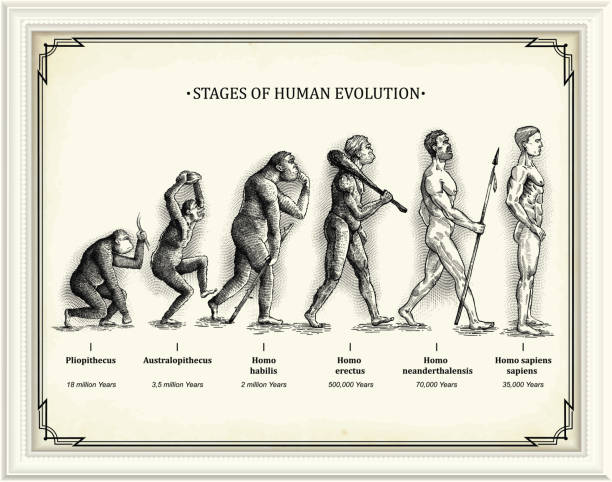
The quarterback position at the University of Southern California carries immense weight. Year after year, signal-callers step onto the turf in Los Angeles bearing the heavy expectations of a storied program. Evaluating this lineage requires looking beyond simple box scores. We have to examine how offensive schemes, professional expectations, and the very nature of college football recruitment transformed over the decades.
Tracing the evolution of USC signal-callers uncovers a fascinating shift in offensive philosophy. From pro-style pocket generals to modern dual-threat playmakers who thrive in wide-open spread attacks, the archetype of the USC quarterback has adapted to survive and lead in a changing sport.
The Pro-Style Foundation and the Blueprint of Efficiency
For decades, the standard for a USC quarterback was clear: stand tall in the pocket, master the drop-back game, and deliver crisp intermediate passes with precise timing. This era prioritized systematic execution over individual improvisation. Coaches built offenses around tight ends, power running games, and elite wide receiver corps that separated cleanly in man coverage.
Quarterbacks during this foundational period didn't need to rack up rushing yards to prove their worth. Their value stemmed from decision-making speed and arm strength under pressure.
- Pro-style offenses demanded mastery of complex pre-snap reads.
- Footwork consistency dictated accuracy downfield.
- Leadership qualities mattered just as much as physical traits.
When evaluating these classic pocket passers, scouts looked for compact throwing motions and the ability to anticipate routes before breaks occurred. The system worked because it mirrored what NFL franchises ran on Sundays, creating a direct pipeline from the Los Angeles campus to professional locker rooms.
The Spread Revolution and the Rise of Dynamic Playmakers
As college football offenses modernized, USC had to adapt. The arrival of spread concepts, run-pass options, and increased tempo shifted the program's quarterback requirements. Pocket presence remained vital, but mobility became a non-negotiable trait. Defenses grew faster, forcing signal-callers to extend plays outside the hashes and create yardage when protection broke down.
This era bred quarterbacks who could beat defenses with both their arm and their legs. Coaches began utilizing sideline-to-sideline space, emphasizing quick releases and multi-read progressions executed at a blistering pace.
- Offenses incorporated designed quarterback runs to gain numerical advantages in the box.
- RPO mechanics forced linebackers to hesitate, opening windows for slot receivers.
- Receivers like Drake London, who dominated on the perimeter during later iterations of these dynamic rosters, benefited from quarterbacks capable of delivering catchable balls under heavy duress.
The transition wasn't always smooth. Shifting from rigid pro-style systems to high-octane spread attacks required entirely different recruiting profiles. Schools no longer sought out statuesque pocket passers exclusively; they hunted for elite athletes with high basketball or track intelligence who could improvise when chaos erupted.
Scheme Evolution and NFL Transition Hurdles
Transitioning from the college game to the professional level has historically tested USC signal-callers. The gap between college schemes and NFL playbooks creates a steep learning curve. When college quarterbacks operate in systems that heavily feature half-field reads or simple pre-snap identification, adjusting to complex pro defenses takes time.
Scouts today analyze several core competencies when projecting collegiate success to the pros:
- Processing Speed: How quickly does the quarterback identify disguised coverages post-snap?
- Platform Versatility: Can the passer throw accurately from off-balance positions when pockets collapse?
- Ball Security: Does the player take unnecessary risks when trying to make spectacular plays?
Addressing these hurdles requires immense film study and mechanical refinement. Modern quarterbacks often spend their first professional seasons untangling bad habits formed while relying purely on raw athletic talent in college.
Modern Innovations: Maximizing Space and Dual-Threat Prowess
Today's offensive landscape relies heavily on creating favorable matchups through formation multiplicity. USC's recent quarterback rooms reflect this shift, blending traditional passing fundamentals with modern play-calling creativity. Signal-callers now operate with wide splits, motion packages designed to reveal coverages instantly, and run options built into nearly every play.
This modern approach changes how evaluators grade talent. Raw passing yards take a back seat to efficiency metrics, yards per attempt, and third-down conversion rates under pressure. Quarterbacks must act as coordinators on the field, checking out of bad plays at the line of scrimmage with regularity.
Frequently Asked Questions
What defines the traditional USC quarterback style?
The traditional style focuses on pro-style mechanics, drop-back efficiency, and pocket poise, prioritizing timing and accuracy over rushing production.
How has modern recruiting changed the quarterback position at USC?
Recruiters now prioritize dynamic athleticism, quick-twitch decision-making, and comfort operating in spread or up-tempo offensive schemes over purely static pocket passers.
Why do some college quarterbacks struggle with the transition to the professional level?
The transition is often complicated by the jump in defensive complexity, the speed of pass rushes, and the requirement to execute full-field progressions rather than simplified half-field reads.
What role do modern wide receivers play in a quarterback's success?
Elite perimeter targets create larger catch radiuses and win contested balls, which can elevate a quarterback's efficiency metrics and bail out off-target throws under pressure.



