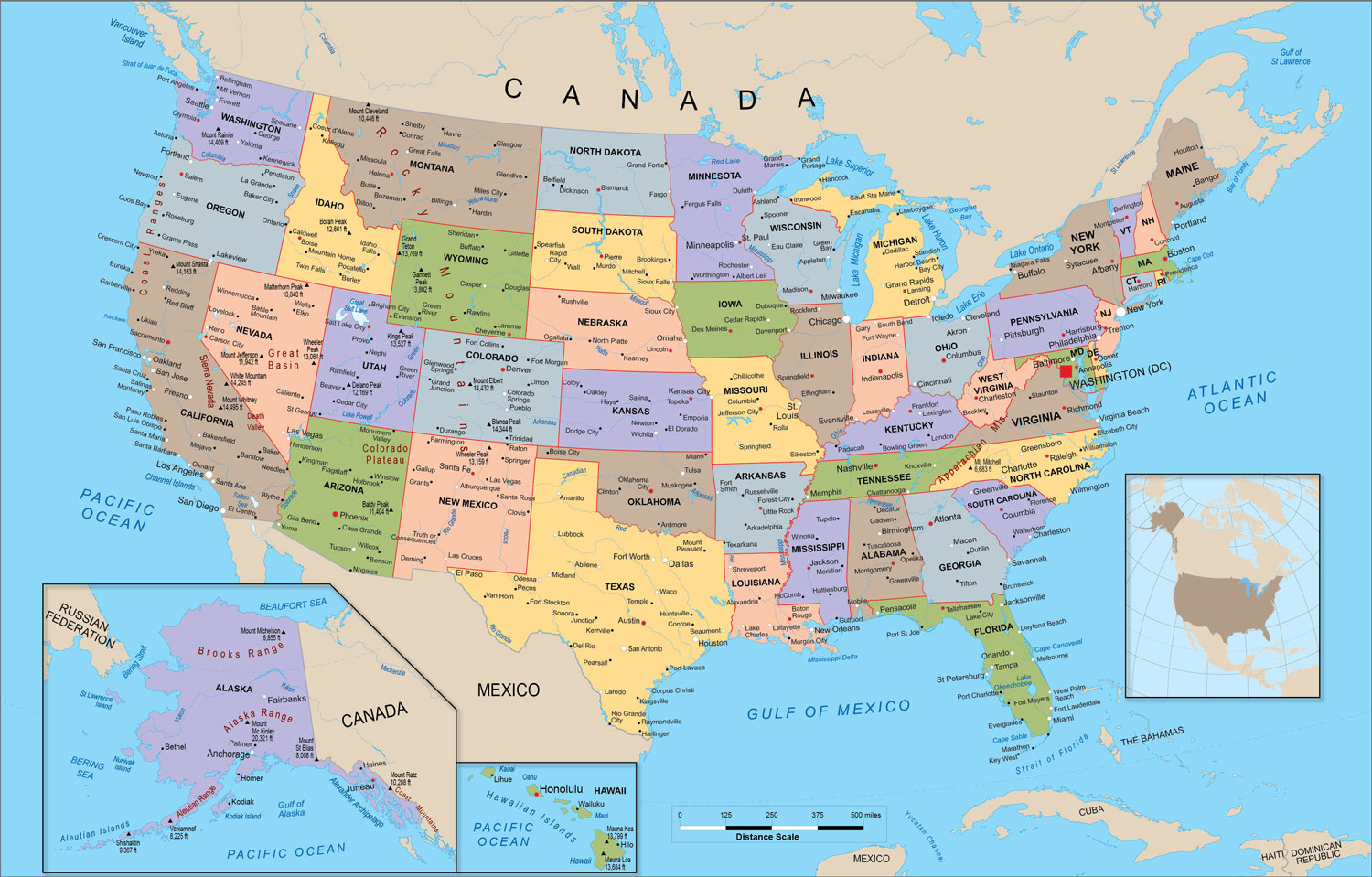
Navigating time differences between the United States and Mexico can get complicated quickly. Most of Mexico stopped changing its clocks seasonally, while the United States still observes daylight saving time. This legislative shift created a moving target for scheduling business meetings, catching cross-border flights, and making phone calls across the border.
When you need to know what time it is between the two countries, the answer depends entirely on the time of year and the specific regions involved. Most of Mexico stays on Central Standard Time year-round, while U.S. states cycle through four major time zones and seasonal clock adjustments. Knowing these operational rules prevents missed appointments and travel headaches.
Understanding Mexico’s Time Zone System
Mexico spans four distinct time zones, covering everything from the Baja Peninsula to the Caribbean coast of Quintana Roo. Unlike the contiguous United States, federal law eliminated nationwide daylight saving time. Central Mexico, including major hubs like Mexico City, Guadalajara, and Monterrey, remains on UTC-6 all year.
The four primary Mexican time zones function as follows:
- Central Zone (Zona Centro): Covers most of the country, including Mexico City. It operates on UTC-6 and does not observe seasonal changes.
- Pacific Zone (Zona Pacífico): Covers states like Sinaloa and Baja California Sur, operating on UTC-7 without daylight saving time.
- Northwest Zone (Zona Noroeste): Covers Baja California (including Tijuana), which does follow U.S. daylight saving time rules to stay synchronized with neighboring California.
- Southeast Zone (Zona Sureste): Covers Quintana Roo (including Cancún), operating on UTC-5 year-round with no clock changes.
How U.S. and Mexican Schedules Collide
Because the U.S. springs forward in March and falls back in November, the time gap between most of Mexico and U.S. cities shifts twice a year. For example, during the winter months when everyone is on standard time, Mexico City aligns with U.S. Central Standard Time. When Chicago and Dallas jump forward in the spring, Mexico City falls one hour behind U.S. Central Time.
Border cities present a completely different scenario. Municipalities right on the U.S.-Mexico border—such as Ciudad Juárez, Matamoros, and Tijuana—synchronize their clocks with their immediate American neighbors. This local exemption keeps factories, logistics companies, and daily commuters operating on the exact same hour, minimizing friction in border trade and commerce.
Managing Cross-Border Logistics and Travel
Planning travel or virtual meetings across the border requires checking more than just a standard world clock. Always verify whether your specific destination in Mexico observes seasonal changes or stays fixed.
When coordinating across borders, follow these steps to avoid confusion:
- Identify the exact U.S. state and Mexican state or city involved in your communication.
- Check whether the specific region in Mexico is an exception zone that follows U.S. daylight saving rules.
- Calculate the offset based on the current month, keeping in mind that the spring and fall transition dates in the U.S. alter the math.
- Use standardized time formats like UTC or GMT when booking international flights or software deployments to prevent ambiguity.
For official updates on international time changes and precise global offsets, consult resources like the National Institute of Standards and Technology or reference tracking tools on Time and Date.
Common Mistakes in Cross-Border Scheduling
Assuming that all of Mexico shares the same time offset year-round is the most frequent error people make. Because places like Cancún and Tijuana run on entirely different schedules from Mexico City, generalized conversions often fail.
Another common pitfall involves assuming that Mexico changes its clocks on the same weekend as the U.S. Historically, Mexico's transition dates occasionally differed from American changes even before daylight saving time was largely abolished. Today, border cities that do observe daylight saving time match the U.S. schedule, but the rest of the country ignores it completely, widening the time gap during summer months.
Frequently Asked Questions
Does all of Mexico stay on the same time all year?
No. Mexico has four distinct time zones. While most of the country does not observe daylight saving time and stays on a fixed standard time, specific border cities and the state of Baja California still adjust their clocks to match neighboring U.S. regions.
What is the time difference between New York and Mexico City?
During standard time (winter), New York is one hour ahead of Mexico City (Eastern vs. Central). During daylight saving time (summer), New York is two hours ahead of Mexico City because the U.S. moves its clocks forward while Mexico City stays fixed.
Why did Mexico abolish daylight saving time?
The federal government ended nationwide daylight saving time to prioritize public health, reduce perceived energy savings discrepancies, and align with traditional biological clock patterns favored by medical professionals.
How do border towns handle the time difference?
Twin cities straddling the border—such as El Paso and Ciudad Juárez, or San Diego and Tijuana—synchronize their local clocks so that cross-border workers, trade operations, and schools experience zero disruption.



