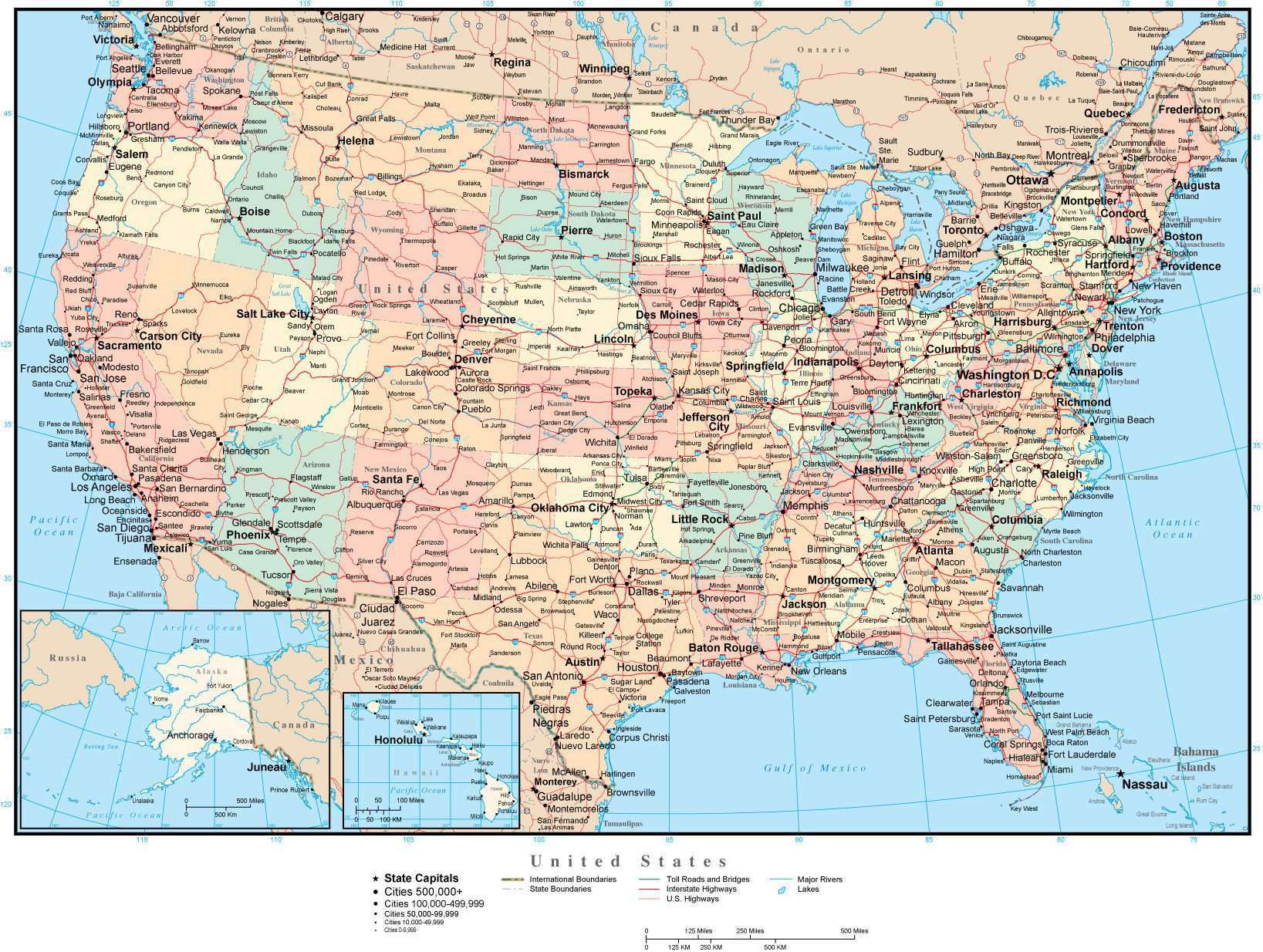
When you fill out an online form or address a parcel, writing CA for California is second nature. Yet, this simple two-letter code carries a specific history shaped by postal modernization, state naming conventions, and the need for administrative clarity across the United States. Long before standard two-letter designations became universal, addresses relied on varied abbreviations like "Calif." or "Cal.". Understanding how California transitioned from a sprawling regional name to a standardized code reveals a lot about how American infrastructure evolved to handle massive volumes of mail.
The modern two-letter abbreviation system didn't emerge until July 1963, when the Post Office Department introduced the five-digit ZIP Code. Address processing machines at the time could only handle a strict character limit on the bottom line of an envelope, usually capped at 23 spaces including the city, state, and ZIP code. Traditional abbreviations like "Calif." took up too much precious space, leaving no room for numerical routing codes. To solve this logistical bottleneck, postal authorities trimmed every state and territory down to exactly two letters by October 1963. California became permanently cemented as CA.
The Evolution from Traditional Abbreviations to Postal Codes
Before the standardization of 1963, geographic shorthand varied wildly depending on who was writing the letter. Newspapers, shipping manifests, and federal ledgers used different styles.
- Early Shorthand: "Cal." and "Calif." were the most common informal ways to shorten the state's name on mail and legal documents.
- Telegraphic Codes: Commercial telegraph companies used shorter codes to save money per character transmitted, sometimes creating unique abbreviations that didn't match postal habits.
- Postal Standardization: The introduction of ZIP codes forced a uniform rule where every state and territory received a strict two-letter limit, eliminating punctuation marks like periods to streamline automated sorting.
This shift wasn't just about saving space on paper; it laid the groundwork for computerized sorting equipment. Without strict uniformity, early optical character recognition and automated sorting hubs would have failed when reading messy handwriting mixed with inconsistent abbreviations.
Why CA and Not CF?
A common point of curiosity for people examining state codes is why California is designated as CA rather than CF. After all, both letters appear prominently in the name.
Postal guidelines established in the 1960s prioritized using the first two letters of a state's name whenever possible, provided they didn't conflict with an existing territory or create major confusion. Because CA directly captures the starting consonants and vowels of California without overlapping with another state, it was the logical choice.
Other states required alternative strategies to avoid duplication. For instance, Nebraska was originally designated as NB, but that caused international routing confusion with New Brunswick in Canada, leading to a change to NE in 1969. California's code, by contrast, remained stable and undisputed from the moment the guidelines were finalized.
Geographic and Administrative Context
The abbreviation CA does more than route mail—it anchors the identity of the most populous state in the nation. Spanning over 163,000 square miles, California encompasses diverse economic sectors, from the agricultural valleys of the interior to the technology hubs of the Bay Area and the entertainment centers of Southern California.
Using a standardized code ensures seamless integration across federal databases, tax forms, shipping logistics, and demographic reporting. When the United States Census Bureau or the United States Postal Service processes records, the two-letter identifier removes ambiguity between similarly named entities or cities.
Common Mistakes and Confusion Points
Even though CA is universally recognized, people occasionally run into minor administrative mix-ups involving state codes and regional naming conventions.
- Confusing State Codes with Country Codes: In international shipping or digital databases, CA can occasionally collide with Canada's country code (.ca domain or international abbreviation), requiring proper context fields in database design.
- Outdated Punctuation: Writing "C.A." with periods is a relic of 19th-century styling. Modern postal standards dictate no periods or spaces within the two-letter code.
- Historic Overlaps: In 19th-century shipping logs, California was sometimes grouped loosely with broader western territories, leading to shorthand errors before official statehood was established in September 1850.
Frequently Asked Questions
When did CA officially become the standard abbreviation for California?
The two-letter code CA was officially adopted in October 1963 alongside the nationwide rollout of the five-digit ZIP code system by the Post Office Department.
Did California use other abbreviations before 1963?
Yes. Before postal automation required strict two-letter uniformity, "Cal." and "Calif." were widely used on envelopes, maps, and shipping documents.
Why do some state abbreviations not match their first two letters?
While most states use their first two letters, adjustments were made to prevent duplicate codes or confusion with international regions, territories, or other states during the 1963 postal overhaul.
Does the abbreviation require periods?
No. Modern postal standards drop all periods from state abbreviations to ensure compatibility with automated sorting machinery.



