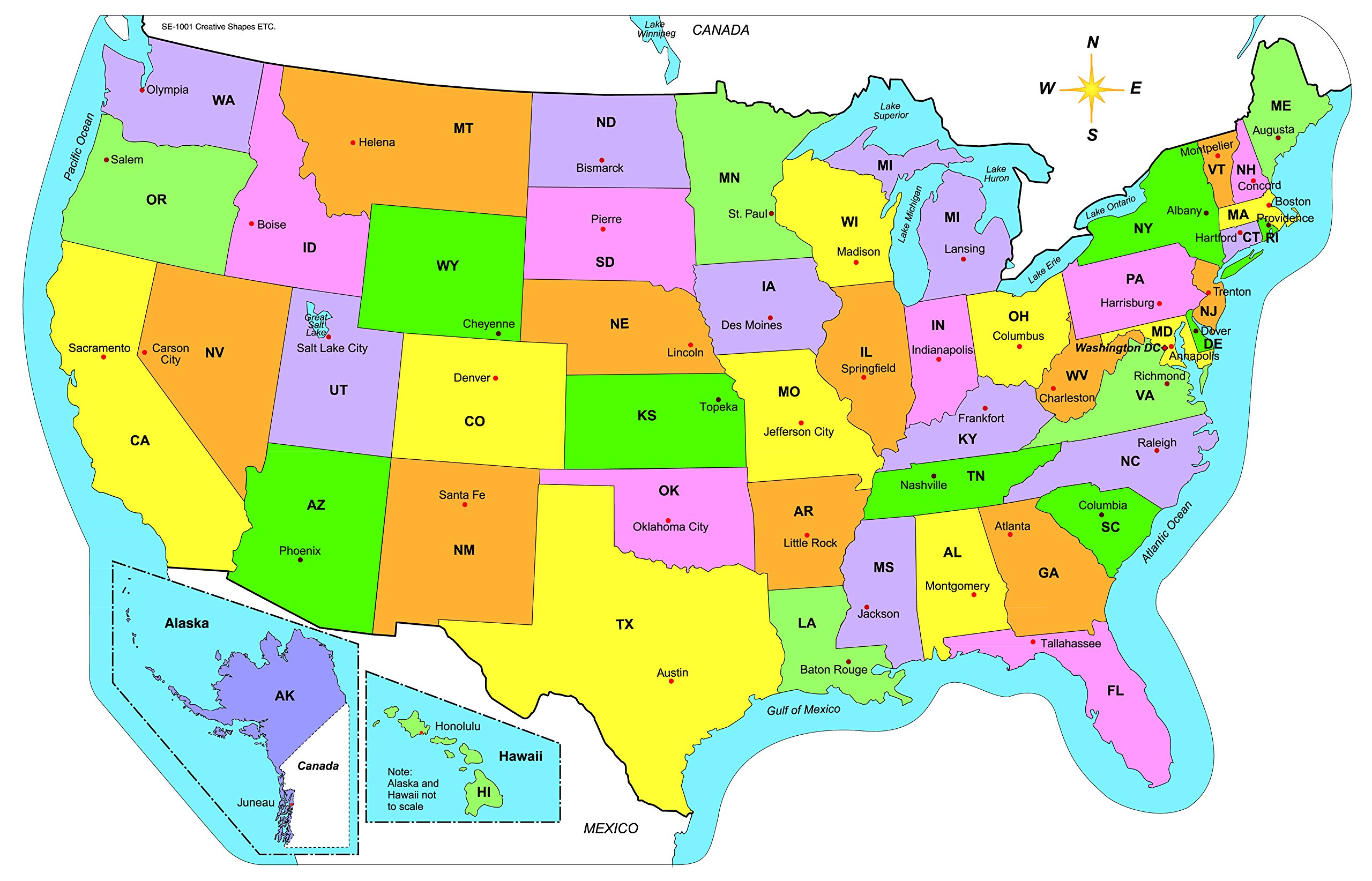
Comparing the United States and Canada reveals two nations tied by geography, language, and shared history, yet separated by distinct governance models, social structures, and economic scales. While outsiders often view North America's two largest countries as interchangeable, day-to-day life, tax systems, and public policy diverge significantly across the 49th parallel.
At first glance, both societies share common traits including high standards of living, service-dominated economies, and deeply entrenched democratic traditions. However, examining metrics like healthcare delivery, population distribution, and federal structures uncovers fundamental differences that define each country's national identity.
Government and Political Frameworks
The structural foundations of American and Canadian governance stem from different historical origins. The United States operates as a federal presidential republic governed by a strict separation of powers between the executive, legislative, and judicial branches.
Canada functions as a federal parliamentary constitutional monarchy. Executive power is vested in the monarch, represented locally by a governor general, but exercised by a prime minister and cabinet who sit within the legislature.
Legislative and Electoral Dynamics
- The Executive: American presidents hold fixed four-year terms independent of the legislature, whereas Canadian prime ministers can call elections or lose power mid-term if their government loses the confidence of the House of Commons.
- Party Systems: The US features a rigid two-party dominant system dominated by Democrats and Republicans. Canada's parliamentary structure fosters a multi-party landscape featuring the Liberals, Conservatives, the New Democratic Party, and regional factions like the Bloc Québécois.
- Federal Distribution: Canadian provinces hold substantial constitutional powers over healthcare, education, and natural resources compared to US states, making regional policy differences quite pronounced.
Economic Structures and Scale
Economic comparisons highlight a massive disparity in raw scale alongside structural similarities. The United States boasts the world's largest nominal gross domestic product, driven by immense domestic consumer markets, massive venture capital ecosystems, and global tech giants.
Canada maintains a top-ten global economy with a high reliance on international trade, particularly with its southern neighbor. Natural resource extraction—ranging from Alberta's oil sands to vast timber and mining sectors—plays a disproportionately larger role in Canada's export portfolio.
Taxation and Wealth Distribution
Tax policies reflect differing philosophies on public spending and welfare. Canada relies more heavily on progressive income taxation and value-added federal-provincial sales taxes to fund federal programs. The US tax code features lower federal income tax baselines alongside varied state tax structures, resulting in a more individualistic approach to wealth accumulation and personal financial planning.
Healthcare and Social Safety Nets
One of the most visible distinctions involves how both countries handle public health and social support. Canada operates a publicly funded, single-payer healthcare system often referred to as Medicare, funded through taxation and administered by individual provinces. Residents don't pay out-of-pocket for medically necessary hospital and physician services.
The US relies predominantly on a multi-payer model combining private employer-sponsored insurance, individual marketplace plans, and government programs like Medicare for seniors and Medicaid for low-income individuals.
Public Safety and Firearm Regulations
Gun ownership laws and crime rates diverge sharply. Canada enforces strict national licensing, background check, and registration requirements for firearms, particularly handguns and semi-automatic rifles. The US Constitution protects an individual right to bear arms under the Second Amendment, leading to widely varying state-level regulations and significantly higher rates of firearm-related incidents in urban centers.
Demographics and Urban Geography
Geographically, Canada spans a larger landmass than the United States, yet its population sits at roughly one-tenth of its neighbor's. This demographic concentration creates a unique geopolitical layout.
+-----------------------------------+-----------------------------------+
| Metric                            | United States                     | Canada                            |
+-----------------------------------+-----------------------------------+
| Population                        | ~340 Million                      | ~41 Million                       |
+-----------------------------------+-----------------------------------+
| Population Proximity to US Border | N/A                               | ~90% live within 100 miles        |
+-----------------------------------+-----------------------------------+
| Official Languages                | None at federal level (English*)  | English and French                |
+-----------------------------------+-----------------------------------+
Nearly 90 percent of Canadians live within 100 miles of the US border, creating long, highly integrated cross-border regional corridors like Detroit-Windsor and Seattle-Vancouver.
Frequently Asked Questions
Do you need a passport to travel between the US and Canada?
Yes. Citizens of both countries must present a valid passport, passport card, or a trusted traveler card such as NEXUS when crossing the land, air, or sea border.
Is the cost of living higher in the US or Canada?
Cost of living varies heavily by region in both countries. Major metropolitan centers like Toronto and Vancouver frequently rival New York City and San Francisco for high housing costs, while consumer goods, telecommunications, and auto insurance tend to be notably more expensive in Canada.
How do spelling conventions differ?
Canadian spelling follows British standards—such as using "colour" instead of "color" and "centre" instead of "center"—while maintaining unique domestic lexical terms shaped by Indigenous languages and French influences.
Can citizens of one country easily work in the other?
While the United States-Mexico-Canada Agreement (USMCA) facilitates professional mobility for specific skilled professions through specialized visas like the TN visa, general permanent residency and work authorization require navigating distinct immigration point systems or green card processes.



