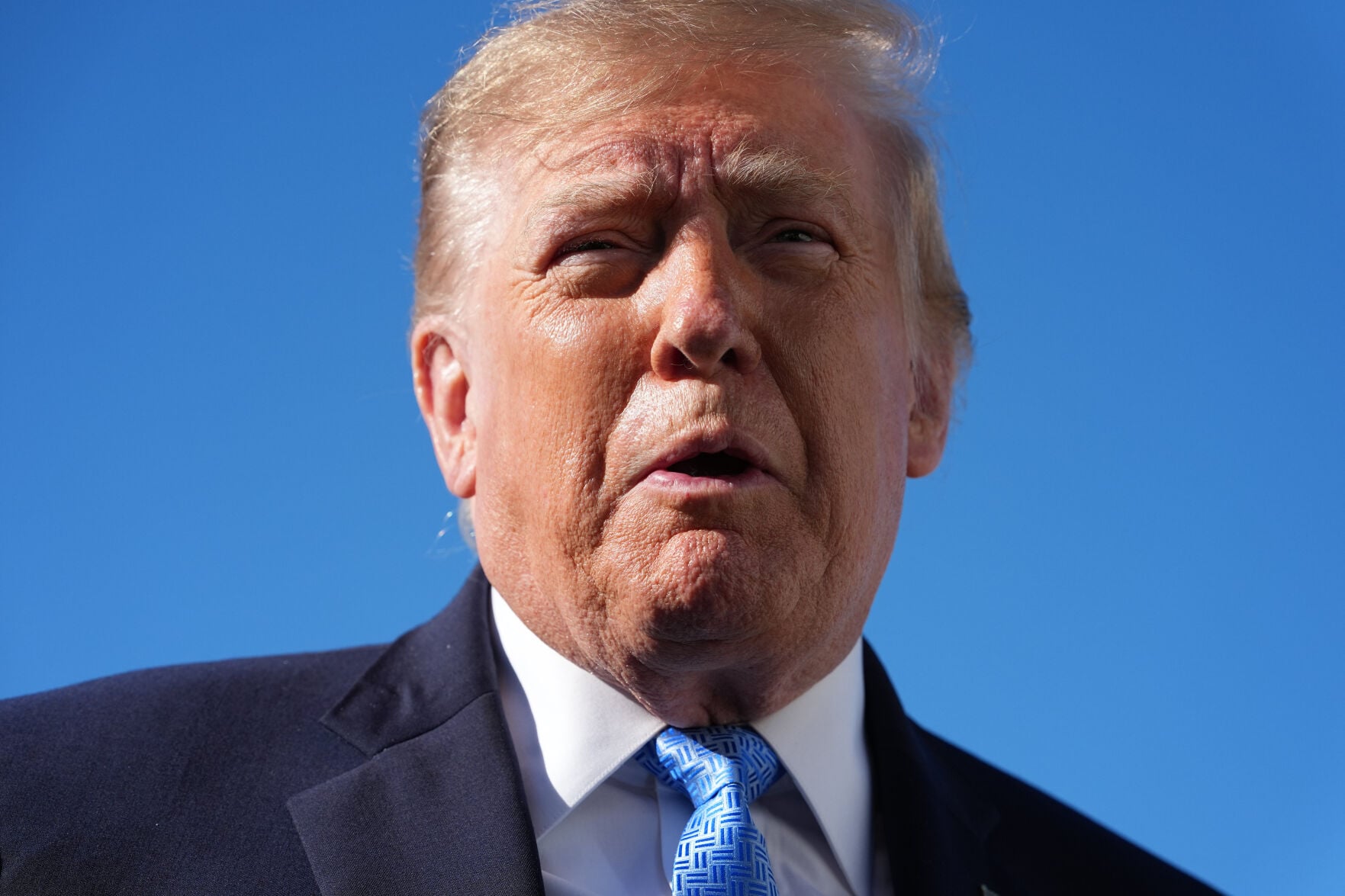
Relations between Washington and Kyiv have hit a dangerous turning point. Disagreements over military strategy, diplomatic summits with Moscow, and critical energy decisions have pushed the partnership between Donald Trump and Volodymyr Zelensky to the edge.
The friction centers on fundamental disagreements about how to end the conflict with Russia. While Kyiv depends heavily on American intelligence, satellite communications, and military supplies, the White House has pushed for immediate negotiations, criticized Ukrainian military tactics targeting Russian oil infrastructure, and questioned Ukrainian leadership. This widening political divide threatens to alter the trajectory of the war and upend European security.
Roots of the Breakdown in Washington and Kyiv
The strain didn't happen overnight. It stems from a fundamental clash in how each leader frames the conflict. Donald Trump has consistently championed a transactional approach to foreign policy, prioritizing swift diplomatic resolutions and domestic economic relief. Volodymyr Zelensky views the war through an existential lens, arguing that any compromise with Moscow emboldens future aggression.
This ideological gap widened significantly following high-profile clashes, including tense exchanges in the Oval Office and subsequent arguments over military operations. Washington has repeatedly pressed Kyiv to halt drone and missile strikes on Russian oil refineries, citing concerns over global energy markets and fuel prices. Ukrainian officials, however, view these strikes as vital asymmetrical tools to disrupt Russia's war machine.
Key Flashpoints Fueling the Current Rift
- Military Aid and Equipment Delays: Uncertainty surrounds the continuous flow of American military assistance, including critical hardware like Patriot missile systems and logistics support.
- Energy Policy Clashes: The Trump administration's openness to agreements involving Russian diesel exports drew fierce pushback from Kyiv, which views economic concessions to Moscow as counterproductive.
- Calls for Elections: American leadership publicly suggested that Ukraine should consider holding national elections, drawing sharp objections from a government operating under martial law.
- Proposed Trilateral Summits: Plans by Washington to explore high-level diplomatic talks with Russia and China—potentially excluding Ukrainian representation—have amplified fears in Kyiv of being sidelined in its own peace process.
Critical Dependencies and Vulnerabilities
Ukraine's defensive posture relies on infrastructure managed or backed by the United States. Intelligence sharing, early missile warning systems, and access to communication networks like Starshield remain indispensable for battlefield coordination.
When political friction spills over into operational decisions, the impact is immediate. Reports of delayed weapon deliveries or threats to suspend support create profound strategic vulnerabilities for Ukrainian forces. Even when diplomatic backchannels—such as meetings in Oslo—provide temporary relief and restore communication lines regarding missile alerts, the underlying unpredictability forces Kyiv to plan for a future with diminished American backing.
Strategic Implications for European Security
European allies are scrambling to adjust to the shifting posture of the United States. Major European capitals view the rift with mounting alarm, knowing that a withdrawal or major reduction of U.S. support would place an unsustainable financial and military burden on continental economies.
The Council on Foreign Relations tracks how shifting diplomatic momentum alters the balance on the ground, noting that sudden changes in Washington's stance directly influence Moscow's calculations. Meanwhile, international bodies and the United Nations monitor how these bilateral fractures impact broader global stability and international law.
Frequently Asked Questions
Why is Donald Trump opposed to Ukrainian strikes on Russian oil facilities?
The administration has argued that attacks on oil infrastructure risk driving up global energy prices and complicating broader diplomatic efforts. Washington has repeatedly urged Kyiv to suspend these specific operations, while Ukrainian leadership maintains they are necessary military targets.
How do changes in U.S. support affect Ukraine's military capabilities?
Ukraine depends on American intelligence, satellite communication networks, and advanced defense systems. Any disruption, slowdown, or suspension in these areas directly affects battlefield awareness, air defense coordination, and overall defensive depth.
What role do European allies play amid these tensions?
European nations are attempting to bridge the diplomatic gap between Washington and Kyiv while scaling up their own defense production. However, European military stockpiles cannot fully replace specialized American capabilities in the short term.
Is a negotiated settlement between Russia and Ukraine likely under current conditions?
While the White House has expressed optimism about bringing parties to the negotiating table, profound disagreements remain over territorial integrity, security guarantees, and the structure of any lasting peace agreement.



