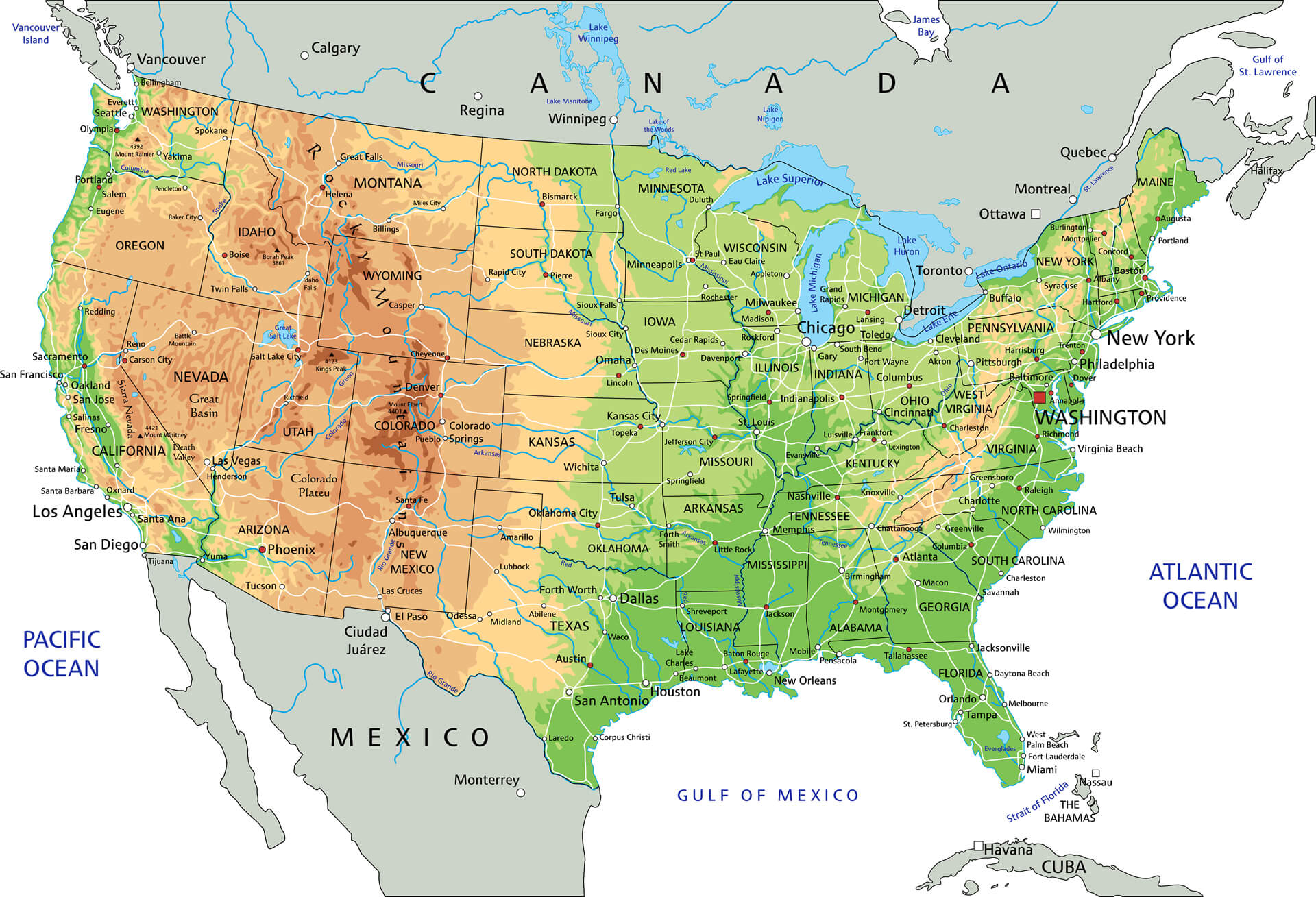
Comparing US time now against Pakistan time requires looking at multiple zones because the United States spans six primary time regions, while Pakistan operates on a single national standard. Pakistan Standard Time (PKT) sits firmly at UTC+5 year-round because the country doesn't observe daylight saving time. Meanwhile, the US shifts clocks twice a year, which means the time gap fluctuates depending on the calendar month.
For example, when New York runs on Eastern Standard Time (EST, UTC-5), Pakistan is 10 hours ahead. When Eastern Daylight Time (EDT, UTC-4) is active during the warmer months, that gap shrinks to 9 hours. Because people often mix up these shifts or forget that the US isn't on a single clock, scheduling cross-border calls or tracking family overseas leads to missed meetings.
Understanding US Time Zones and Pakistan Standard Time
To convert accurately, you have to map out where a US contact sits. The continental US uses four main zones: Eastern, Central, Mountain, and Pacific. Alaska and Hawaii add two more. Pakistan uses Pakistan Standard Time (PKT) nationwide, managed by the Pakistan Meteorological Department.
Because the US spans such a massive longitudinal distance, the hour difference between a city like Los Angeles and Islamabad differs drastically from New York and Islamabad. Furthermore, the semi-annual transition of US daylight saving time breaks any fixed mental math you try to keep.
The Daylight Saving Shift
The US shifts to daylight saving time on the second Sunday of March and falls back to standard time on the first Sunday of November. Pakistan stays at UTC+5 straight through January to December.
- Winter (November to March): US Eastern Time is 10 hours behind Pakistan. Pacific Time is 13 hours behind.
- Summer (March to November): US Eastern Time is 9 hours behind Pakistan. Pacific Time is 12 hours behind.
Failing to account for this shift causes a one-hour error when scheduling events across the changeover weeks. Always check if the specific US region currently observes daylight saving time.
US Time Zones to Pakistan Time Reference
Let's break down how standard US regional times line up against Pakistan Standard Time during the winter months when Eastern Time is UTC-5.
- Eastern Time (EST): 10 hours behind Pakistan. If it's 8:00 AM EST in New York, it's 6:00 PM PKT in Lahore or Karachi.
- Central Time (CST): 11 hours behind Pakistan. When it's 8:00 AM CST in Chicago, it's 7:00 PM PKT.
- Mountain Time (MST): 12 hours behind Pakistan. When it's 8:00 AM MST in Denver, it's 8:00 PM PKT.
- Pacific Time (PST): 13 hours behind Pakistan. When it's 8:00 AM PST in Los Angeles, it's 9:00 PM PKT.
When the US operates on daylight saving time, subtract one hour from these differences. For instance, Eastern Daylight Time (EDT) is only 9 hours behind Pakistan.
Practical Scheduling for Work and Remote Teams
Coordination across these zones requires careful planning because standard business hours barely overlap. A traditional 9:00 AM to 5:00 PM workday in New York lands squarely in the evening and night for someone sitting in Islamabad.
During the winter months when Eastern Time is 10 hours behind:
- A New York worker starting at 9:00 AM EST logs on while it's 7:00 PM PKT in Pakistan.
- A 5:00 PM EST wrap-up in New York happens at 3:00 AM PKT the next morning in Pakistan.
This means optimal collaboration windows are narrow. If a remote team member in Pakistan works late, or a US worker logs on early, they can carve out a morning slot in the US that matches late afternoon or early evening in Pakistan. For instance, 8:00 AM EST in New York equals 6:00 PM PKT, which works well for an end-of-day sync for the Pakistani team member.
To explore international time standards and official UTC offsets further, you can check the National Institute of Standards and Technology time resources.
Common Mistakes to Avoid
People frequently trip up on a few recurring hurdles when converting US times to Pakistan.
- Assuming a static 10-hour gap year-round: Remembering one conversion number leads to mistakes when summer arrives and the US shifts clocks while Pakistan stays put.
- Mixing up AM and PM during cross-day conversions: Because Pakistan is ahead, evening events in the US actually happen in the middle of the night or early morning of the next day in Pakistan.
- Ignoring localized state exemptions: Arizona and Hawaii mostly skip daylight saving time, meaning their time offset against Pakistan shifts differently than states that observe the transition.
Frequently Asked Questions
What is the exact time difference between New York and Pakistan?
It depends on the time of year. New York is 10 hours behind Pakistan during standard time (November to March) and 9 hours behind during daylight saving time (March to November).
Does Pakistan observe daylight saving time?
No, Pakistan does not observe daylight saving time. The country maintains a fixed offset of UTC+5 throughout the entire year.
How do I schedule a meeting between California and Pakistan?
California operates on Pacific Time, which is 13 hours behind Pakistan during winter and 12 hours behind during summer. A morning meeting at 8:00 AM in Los Angeles corresponds to 9:00 PM in Pakistan during standard time.
Why do my calendar invites sometimes shift by an hour when talking to contacts in Pakistan?
Calendar software often adjusts automatically based on daylight saving time rules. If an invite was created before a US clock change, the software might miscalculate the offset until the event series updates.



