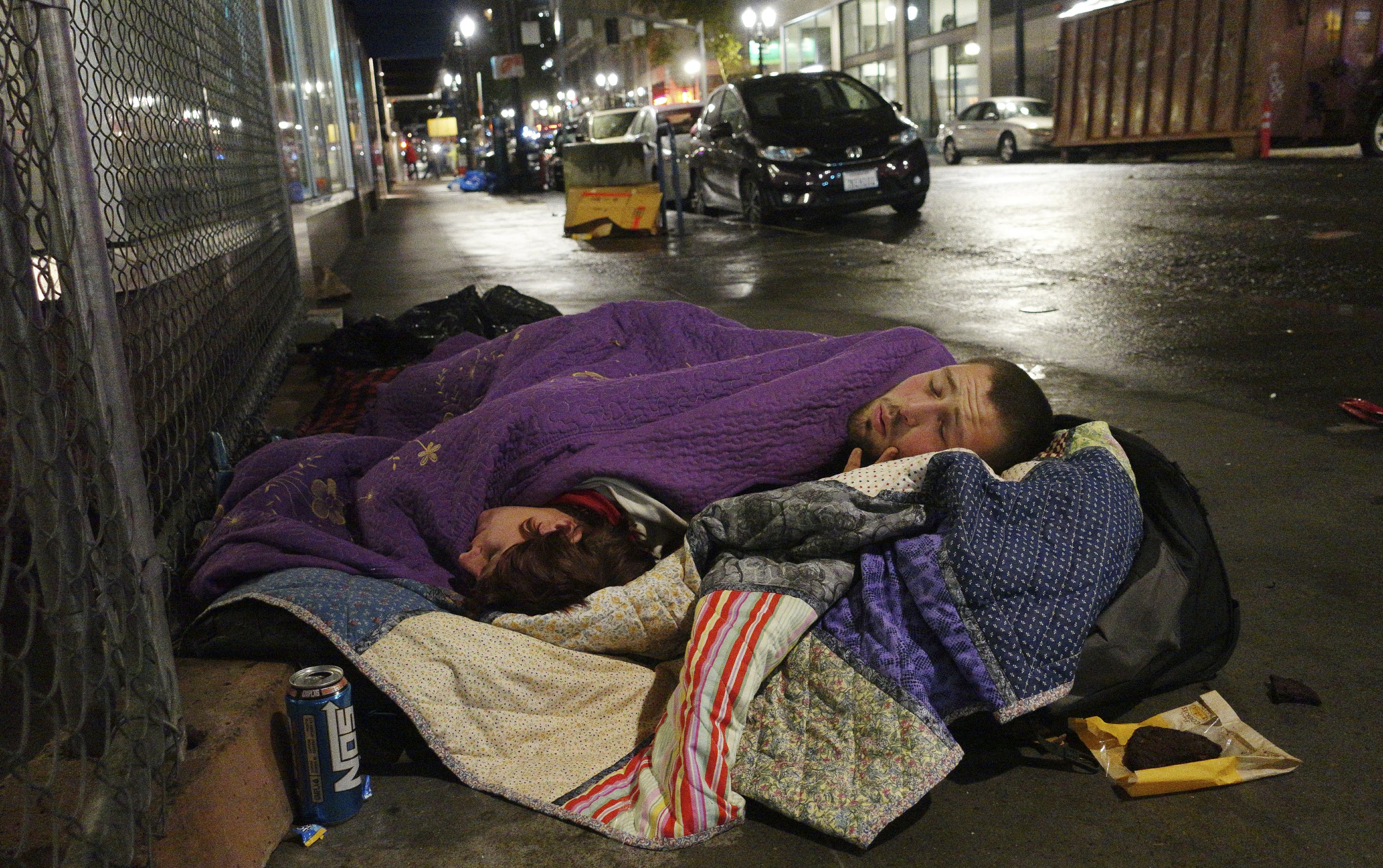
Tracking the scale of housing insecurity requires looking past the surface numbers to see who is affected and why the landscape shifts. On a single night in January 2025, over 745,000 people experienced homelessness across the United States. While this marked a slight decrease from the previous year's peak, the reality on the ground remains complex, driven by severe structural shortages in affordable housing and persistent economic pressures.
Understanding the trajectory of the crisis means examining the core drivers, demographic shifts, and regional variations shaping public policy today. Behind the national tallies are distinct populations facing divergent paths, from single adults experiencing long-term displacement to families cycling in and out of temporary shelters.
Breaking Down the 2025 Numbers
The U.S. Department of Housing and Urban Development (HUD) Annual Homelessness Assessment Report highlights a nuanced picture of housing instability. Total homelessness dipped modestly to roughly 745,652 individuals, representing the first nationwide decline in several years. However, this aggregate drop was largely concentrated in sheltered populations within a few specific states—such as New York and Illinois—where emergency capacities expanded to handle increased demand.
At the same time, chronic homelessness among individuals continued an upward trajectory. Chronically homeless individuals—those dealing with long-term disabilities and continuous or repeated episodes of displacement—reached nearly 170,000. This disparity reveals that while temporary measures help manage immediate shelter flow, the underlying pipeline feeding long-term displacement remains active.
Sheltered Versus Unsheltered Populations
The distinction between sheltered and unsheltered individuals dictates how resources are deployed:
- Sheltered Individuals: People residing in emergency shelters, transitional housing, or safe havens. This group saw a decline largely driven by policy shifts and targeted state investments.
- Unsheltered Individuals: People sleeping in places not meant for human habitation, such as streets, vehicles, or abandoned buildings. Roughly 266,000 people fell into this category, remaining near historic highs.
Core Drivers of the Crisis
Housing insecurity doesn't happen in a vacuum. It stems from a collision of economic factors that hit low-income households hardest.
The primary engine behind persistent homelessness is the widening gap between wages and housing costs. According to the National Low Income Housing Coalition, there is a severe national shortage of rental homes affordable and available to extremely low-income renters. When median rents outpace wage growth by wide margins, even a minor financial shock—like a medical emergency or job loss—can trigger an eviction.
The Aging Demographic Shift
An overlooked trend in modern housing data is the rapid growth of unhoused older adults. Americans aged 55 and older represent a rapidly growing share of the unhoused population. Fixed incomes, soaring rental rates, and a lack of accessible senior housing options mean more older adults are losing their housing stability for the first time later in life.
Regional Variations and State-Level Impacts
Homelessness manifests differently depending on geography, climate, and local policy frameworks. States with high urban density and restrictive zoning laws, such as California and New York, historically account for the largest total populations of unhoused residents.
Conversely, per-capita rates often spike in areas with extreme housing cost burdens relative to local wages. Local municipalities are experimenting with various interventions, from encampment resolution strategies to permanent supportive housing models. To explore how federal agencies track these shifts, review data from the U.S. Department of Housing and Urban Development.
Policy Responses and Future Trends
Federal, state, and local agencies rely on distinct strategies to address the crisis. The "Housing First" model, which prioritizes providing permanent housing without preconditions like sobriety or treatment compliance, remains a central pillar of federal policy. Proponents credit this approach with functionally ending veteran homelessness in numerous communities.
Critics, however, argue that housing placement must be paired with mandatory supportive services, such as mental health care and addiction treatment, to ensure long-term stability. As cities balance enforcement-oriented sweeps with investments in affordable infrastructure, future trends will depend heavily on zoning reform and federal funding allocations for rental assistance. Additional policy analysis can be found through the Urban Institute.
Frequently Asked Questions
What is the primary cause of homelessness in the US?
The leading driver is the severe shortage of affordable housing coupled with stagnant low-income wages. When housing costs consume a disproportionate share of a household's income, individuals have no financial buffer against emergencies.
How is homelessness measured nationally?
HUD measures homelessness primarily through the Point-in-Time (PIT) count, a local snapshot conducted nationwide during a single night in January. It tallies sheltered individuals and attempts to count unsheltered people via street outreach volunteers.
Why are chronic homelessness numbers still rising?
Chronic homelessness involves individuals with disabilities who experience long-term or repeated episodes of displacement. This population requires intensive permanent supportive housing and specialized care, which often faces severe resource constraints and local zoning opposition.
Are veterans still heavily affected?
Veteran homelessness has dropped significantly over the past decade and a half due to targeted federal vouchers and coordinated local interventions, though sustaining these gains remains an ongoing challenge.



