The average height for adult men in the United States sits at approximately 5 feet 9 inches (175.3 cm), while women average around 5 feet 4 inches (162.5 cm). These figures, tracking closely with data from the Centers for Disease Control and Prevention (CDC) National Center for Health Statistics, represent a significant baseline for American physical stature. Yet, American heights haven't evolved in a vacuum. Once boasting the tallest populations globally through the late 19th and early 20th centuries, the United States has seen its growth stall, falling behind several European nations while domestic regional and demographic shifts continue to redraw the map of human growth.
Understanding these patterns requires looking past simple national averages. Stature is a sensitive biological barometer reflecting early-life nutrition, socioeconomic status, healthcare access, and systemic public health variables. While genetics dictate roughly 80% of an individual's height, population-level trends expose how environment and societal infrastructure shape generations.
The Stagnation of American Stature
For generations, Americans enjoyed an undisputed reputation as the world's tallest people, a distinction fueled by abundant food supplies and high living standards during the colonial era and industrial expansion. However, throughout the mid-to-late 20th century, average height gains in the United States decelerated markedly.
While Americans experienced a plateau, nations across Western and Northern Europe—particularly the Netherlands, Denmark, and Norway—maintained rapid upward trajectories in human growth. Today, Dutch men average over 6 feet tall, standing roughly 3 to 4 inches taller than their American counterparts. Public health researchers attribute this divergence to differences in healthcare systems, nutritional equity during childhood, work-life policies supporting family nutrition, and active transportation habits.
This deceleration in American height doesn't mean growth stopped entirely, but rather that it slowed to a crawl compared to international peers. Stature data collected by organizations like the NCD Risk Factor Collaboration show that modern American height increases have failed to keep pace with global modernization benchmarks.
Regional Variations Within the United States
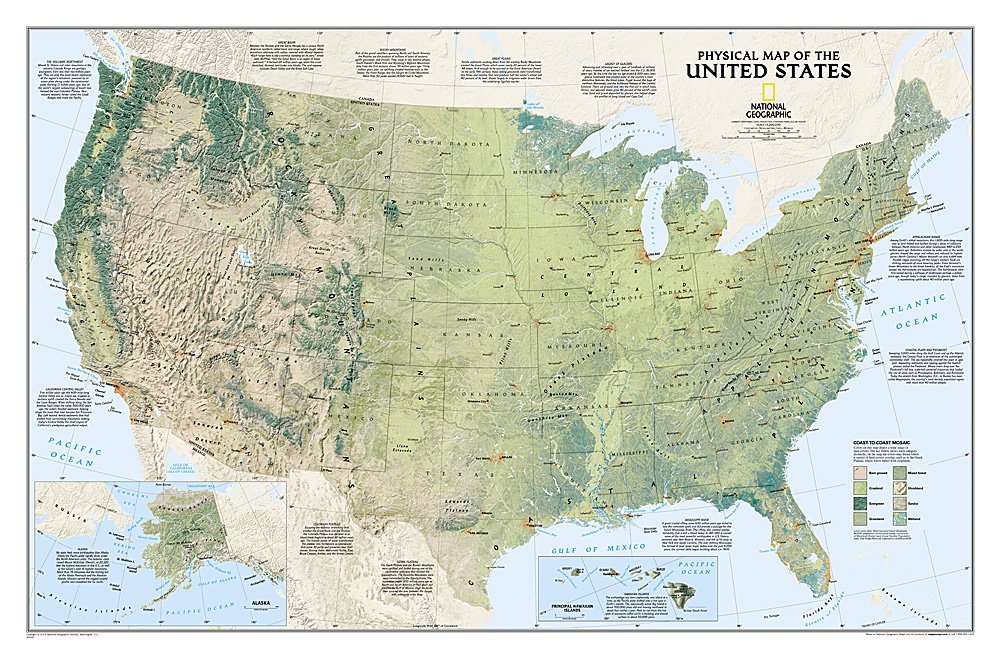
Height is not evenly distributed across the fifty states. Internal migration, socioeconomic divides, and regional dietary habits create distinct geographical pockets of stature differences across the country.
Data analyses frequently point to the Midwest and parts of the northern plains as regions housing some of the tallest populations in the United States. States with robust agricultural traditions, lower population density in historical housing sectors during growth years, and specific ancestral European migration patterns often report slightly higher average measurements. Conversely, states with significant urban centers marked by high living costs, socioeconomic disparities, and immigrant populations from regions with shorter baseline heights often show lower overall state averages.
These internal disparities highlight that national averages obscure micro-trends. Environmental stress factors during childhood, such as food deserts or unequal access to pediatric healthcare, directly influence adult height outcomes at the local level.
Genetics Versus Environment: Decoding the 80/20 Rule
Human height is heavily heritable. Twin and family studies confirm that about 80% of an individual's height potential is written in their DNA. Multiple genetic loci interact to regulate skeletal growth plates and hormone production during puberty.
However, the remaining 20%—the environmental component—dictates whether a person reaches their genetic ceiling. Key environmental determinants include:
- Early Childhood Nutrition: Adequate protein, calcium, and micronutrient intake during the first thousand days of life and through puberty are essential. Chronic malnutrition stunts growth plates permanently.
- Disease Burden: Frequent infections, gastrointestinal illnesses, and chronic inflammation during childhood divert energy away from skeletal growth toward immune defense.
- Sleep Quality: Human growth hormone (HGH) secretion peaks during deep sleep stages in adolescents. Sleep deprivation directly compromises growth velocity.
- Maternal Health: Prenatal factors, including maternal smoking, stress, and nutritional deficits, impact birth weight and subsequent developmental milestones.
You can explore broader public health tracking via the World Health Organization to see how international bodies monitor these variables.
Global Context: Where America Fits Today
Placed on a global stage, American stature sits comfortably above the worldwide median, but lags behind global leaders. Globally, the average male height hovers around 5 feet 7.5 inches (171 cm), while the global female average is roughly 5 feet 3 inches (160 cm).
Nations in South Asia and parts of Latin America record lower averages due to historical economic hurdles, while Northern European nations anchor the top tier. Interestingly, rapid economic development in East Asia—notably South Korea and urban China—has triggered massive generational height surges, closing the gap with Western nations as childhood nutrition and healthcare modernized over recent decades.
To review historical datasets on global anthropometry, consult records maintained by Our World in Data.
Frequently Asked Questions
Why did Americans stop growing taller while Europeans kept growing?
American height growth slowed due to relative stagnation in public health infrastructure, widening socioeconomic disparities in early childhood nutrition, and less comprehensive universal healthcare and parental support programs compared to countries like the Netherlands or Scandinavian nations.
Does average height change as people age?
Yes. Adults begin to lose height gradually starting in middle age—typically after age 40 or 50—due to spinal compression, fluid loss in intervertebral discs, and the onset of bone density loss conditions like osteoporosis.
How much does socioeconomic status impact adult height?
Socioeconomic status directly correlates with height attainment because it influences access to quality nutrition, stable housing, low-pollution environments, and consistent pediatric healthcare during the primary developmental years.
Is the average height in the US expected to increase in the future?
Current public health projections suggest that American average height will likely remain stable or experience minimal shifts unless systemic improvements are made to early childhood nutrition, healthcare equity, and socioeconomic support structures. Additional insights are available through resources like the Centers for Disease Control and Prevention.



