The core difference between a US Attorney and an Attorney General comes down to scope, authority, and jurisdiction within the American legal system. An Attorney General serves as the chief legal officer and head of an entire justice department—either at the federal level or for an individual state. A US Attorney, on the other hand, is a federal prosecutor who operates within a specific geographic judicial district under the direct oversight of the federal Attorney General.
Confusing these two positions is common because both titles involve high-level prosecution and government legal representation. However, their day-to-day responsibilities, appointment processes, and legal powers differ drastically.
Defining the Attorney General
The Attorney General is the primary legal advisor to the government and the chief law enforcement officer of a jurisdiction. At the federal level, the Attorney General leads the United States Department of Justice (DOJ). They sit in the President's cabinet, shape national law enforcement priorities, and oversee thousands of federal employees, including the Federal Bureau of Investigation (FBI) and the Drug Enforcement Administration (DEA).
State governments also have their own attorneys general. A state attorney general acts independently of the federal government, serving as the chief legal officer for that specific state. They enforce state laws, protect consumer rights, and handle statewide civil litigation. While the federal Attorney General is appointed by the President and confirmed by the Senate, most state attorneys general are directly elected by the voters of their state.
Defining the US Attorney
A US Attorney is a federal prosecutor appointed to handle criminal and civil cases on behalf of the federal government within a specific federal judicial district. The United States is split into 94 federal judicial districts, and each district has its own chief US Attorney.
US Attorneys operate under the direct authority of the federal Attorney General and the DOJ. When federal crimes—such as tax evasion, immigration violations, white-collar fraud, or interstate drug trafficking—occur within a specific district, the local US Attorney's office investigates and prosecutes those cases in federal court. They are assisted by a team of Assistant US Attorneys (AUSAs) who handle the actual courtroom litigation.
Key Structural Differences
Understanding how these offices contrast requires looking at how power, jurisdiction, and management are divided.
Jurisdiction and Geographic Scope
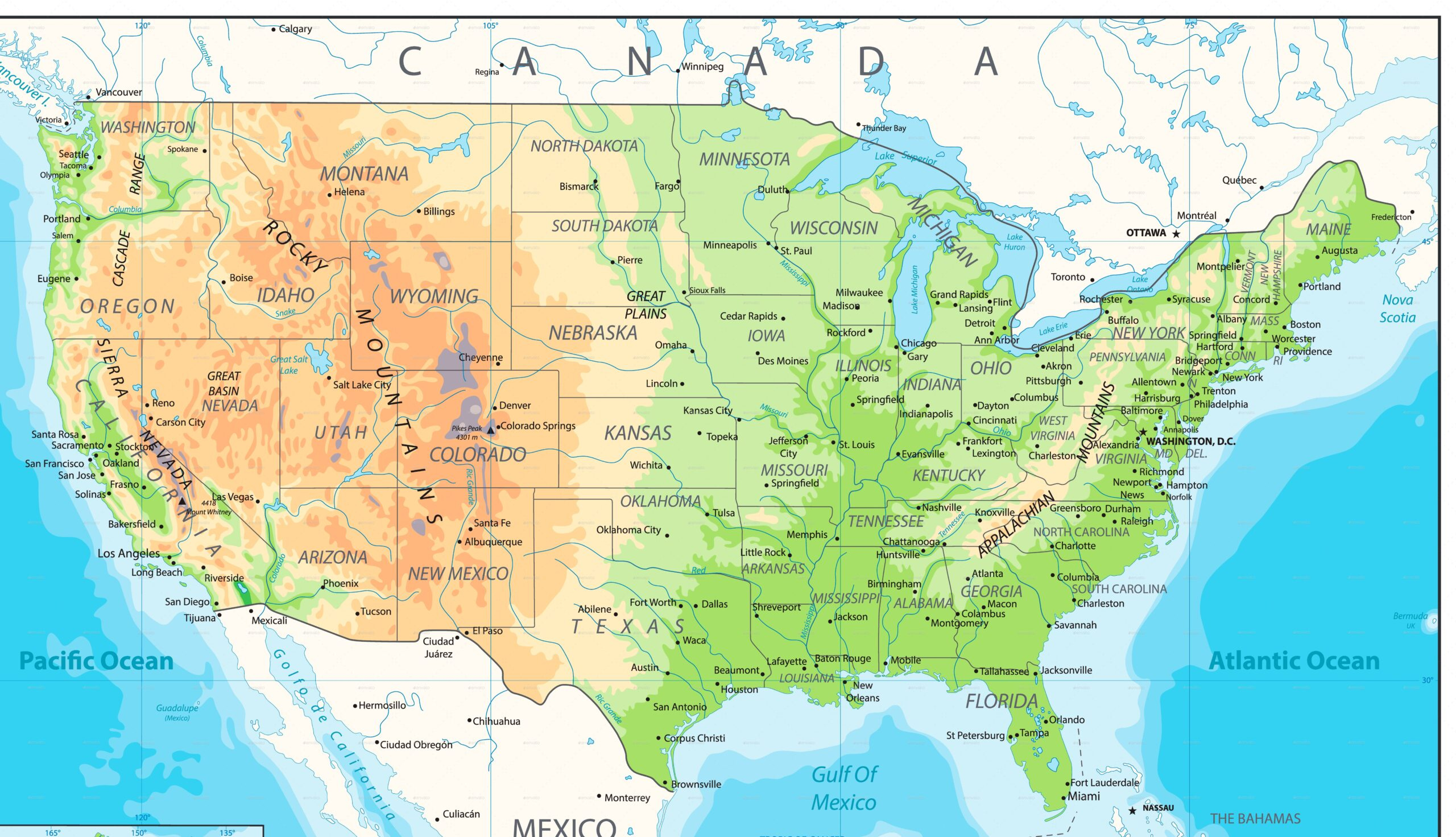
An Attorney General's jurisdiction is broad. The federal Attorney General has authority across the entire United States and its territories. A state attorney general has authority across an entire state. Conversely, a US Attorney has a strictly localized federal jurisdiction. For instance, the US Attorney for the Southern District of New York only handles federal cases originating within that specific district, which includes Manhattan and the Bronx.
Appointment and Tenure
Federal officials in both roles are nominated by the President and confirmed by the Senate. However, US Attorneys serve at the pleasure of the President and can be replaced or asked to resign during changes in presidential administrations or political shifts. State attorneys general enjoy independent democratic mandates because voters elect them directly, making them immune to direct executive firing by governors.
Policy vs. Prosecution
The Attorney General sets macro-level policies, legal guidelines, and nationwide prosecutorial priorities. They rarely step into a courtroom to try a case personally. US Attorneys and their staff function as operational litigators. They spend their time drafting indictments, negotiating plea deals, presenting evidence to grand juries, and trying cases in front of federal judges.
Common Misconceptions
People often assume that a US Attorney outranks a state attorney general, or vice versa. Because they operate in entirely separate legal systems—federal versus state—they don't sit in a direct chain of command with one another. A state attorney general cannot order a US Attorney to drop a federal case, and a US Attorney has no authority over state-level crimes like local theft or murder.
Another frequent mix-up involves confusing US Attorneys with local District Attorneys (DAs). While a US Attorney prosecutes violations of federal law, a District Attorney prosecutes local or county-level crimes under state statutes.
Frequently Asked Questions
Can the Attorney General fire a US Attorney?
Yes. Because US Attorneys are presidential appointees working under the Department of Justice, the Attorney General exercises direct supervisory authority over them and can oversee their dismissal or replacement.
Do US Attorneys prosecute state crimes?
No. US Attorneys are strictly limited to federal crimes. If a crime violates only state law, it must be handled by local district attorneys or the state attorney general.
Who is higher-ranking, the US Attorney General or a US Attorney?
The US Attorney General is much higher-ranking. The Attorney General heads the entire Department of Justice and acts as the nation's chief law enforcement officer, supervising all 94 US Attorneys.
How many US Attorneys are there in the United States?
There are 94 US Attorneys, each managing a distinct federal judicial district across the country, Guam, Puerto Rico, the US Virgin Islands, and the Northern Mariana Islands. Learn more about their structure through the Department of Justice US Attorneys guide. Additional legal definitions can be found on the Cornell Law Legal Information Institute.


