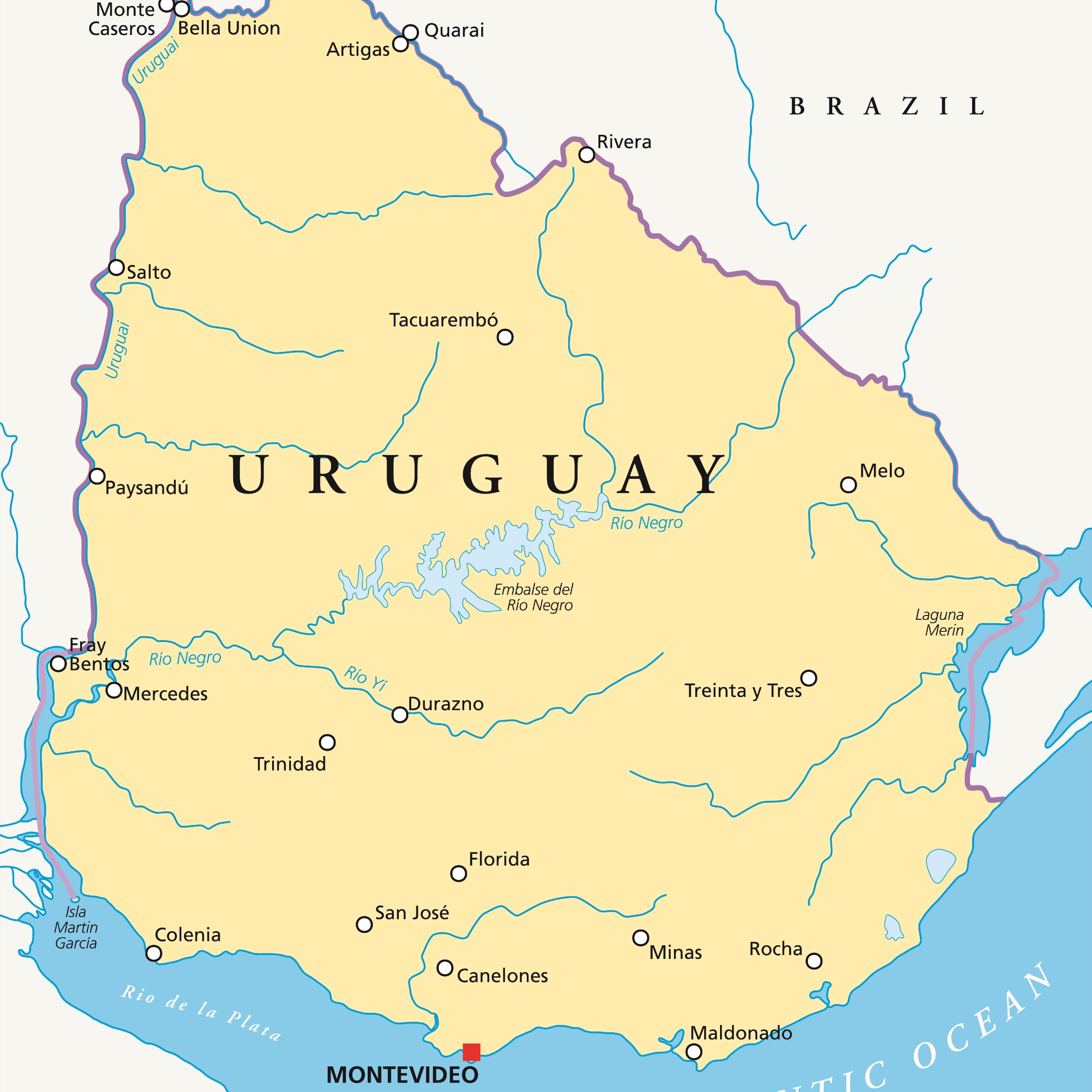
Uruguay quietly built one of the most robust digital infrastructures in Latin America without the hyper-accelerated chaos typical of larger tech hubs. While neighboring nations grapple with fractured connectivity and deep digital divides, this small country anchored its transformation in high-speed fiber optics, progressive regulatory frameworks, and universal digital access. You'll find that Uruguay's progress isn't just about software exports or venture capital rounds; it's a structural shift in how citizens interact with public services, how remote workers settle along the coast, and how traditional agriculture merges with data science.
The digital transition relies on a foundation laid decades ago by state-backed initiatives, turning internet access into a reliable public utility rather than an exclusive luxury. Understanding Uruguay's digital evolution requires looking beyond standard economic metrics to examine how stable institutions, high broadband penetration, and a balanced lifestyle intersect in the Río de la Plata region.
The Evolution of Uruguay's Tech Economy
The economic narrative of Uruguay traditionally centers on cattle, wool, and agriculture. However, a thriving software development and IT services sector now anchors urban hubs in Montevideo, Maldonado, and Salto. Tech exports surpassed billions of dollars, making software one of the country's leading export categories relative to its population size.
Companies choose Uruguay for its political stability, predictable macroeconomic environment, and deep pool of bilingual engineering talent. Rather than focusing solely on low-cost outsourcing, local firms specialize in complex enterprise software, health tech, and financial technologies. Government agencies like Uruguay XXI actively promote foreign investment while supporting local startups through incubators and tax incentives.
Key Pillars of the Digital Economy
- Software and IT Services: Custom development, cloud architecture, and enterprise SaaS solutions servicing global markets across North America and Europe.
- AgTech Integration: Deploying Internet of Things (IoT) sensors, livestock tracking chips, and satellite imagery to optimize beef and dairy production.
- Fintech and Blockchain: Regulated digital banking tools, payment gateways, and a progressive framework designed to test financial innovations safely.
- Gaming and Animation: Independent studios producing mobile games, interactive media, and digital art for international entertainment companies.
Universal Connectivity as Public Infrastructure
Unlike countries where broadband expansion depends entirely on erratic private sector rollouts, Uruguay achieved near-universal high-speed fiber coverage through state telecommunications provider ANTEL. More than ninety-eight percent of households have access to fiber-optic internet, creating a level playing field for remote workers, rural students, and urban entrepreneurs alike.
This connectivity backbone enabled the rapid deployment of e-government services managed by AGESIC, the agency driving digital government. Citizens manage taxes, health appointments, corporate filings, and educational tracking through a single digital identity platform. By removing bureaucratic friction, the state reduced administrative costs while keeping public satisfaction remarkably high.
Rural Digital Inclusion
- Connected Schools: Every public school in the country receives high-speed internet access and hardware support.
- Telemedicine Nodes: Rural healthcare clinics use secure video conferencing to consult specialists in Montevideo instantly.
- Mobile Coverage: 4G and 5G networks cover the vast majority of agricultural transport routes and small towns.
Regulations Balancing Innovation and Security
A major driver of Uruguay's digital appeal is regulatory clarity. Investors don't face sudden, opaque policy shifts or unpredictable currency controls. The Central Bank of Uruguay implements sandboxes for fintech startups, allowing companies to test new financial products under regulatory supervision before full market launch.
Data privacy laws mirror stringent European standards, positioning the country as a secure data haven in the region. This legal predictability attracts multinational corporations looking for Latin American operational hubs where contracts are honored and intellectual property rights remain strictly protected.
Quality of Life for Remote Workers and Expats
Digital infrastructure matters little if the day-to-day living experience is stressful. Uruguay maintains low crime rates, clean air, stable democratic institutions, and a cultural rhythm that values personal time. Towns like José Ignacio, Punta del Este, and parts of Montevideo attract thousands of digital nomads and permanent expats seeking a calmer environment without sacrificing reliable Wi-Fi or healthcare access.
The healthcare system combines public solidarity funds with private insurance networks, ensuring fast access to medical treatments. While the cost of living sits higher than in some neighboring countries, the trade-off is predictability, institutional transparency, and an exceptional standard of public safety.
Common Mistakes When Analyzing Uruguay's Tech Boom
Observers often misinterpret Uruguay's model by comparing it directly to massive startup clusters like Silicon Valley or São Paulo.
- Expecting Hyper-Scale Chaos: Uruguay grows steadily through incremental, sustainable policy rather than boom-and-bust venture capital cycles.
- Ignoring the State's Role: Some assume private enterprise drove the tech boom entirely, overlooking decades of crucial state-led infrastructure investment by ANTEL.
- Treating It as Cheap Labor: Uruguay is not a low-cost outsourcing center; labor costs reflect high educational standards, specialized skills, and robust labor laws.
Frequently Asked Questions
Is Uruguay a good destination for digital nomads?
Yes. The country offers stable internet connections, a safe environment, and a digital nomad visa program that allows remote workers to reside in the country while earning income from abroad.
How does Uruguay compare to other Latin American tech hubs?
Uruguay focuses on institutional stability, high per-capita software exports, and universal public infrastructure rather than raw market size. Its regulatory transparency makes it safer for long-term operations.
Do I need to speak fluent Spanish to work in Uruguay's tech sector?
While Spanish is essential for daily life and local integration, many international tech firms and multinational hubs operate comfortably in English, particularly in software development and export-oriented roles.
How reliable is the internet infrastructure outside Montevideo?
Fiber-optic coverage extends deeply into suburban and many rural areas. Smaller towns and coastal villages benefit from robust broadband, making remote work feasible outside the capital.



