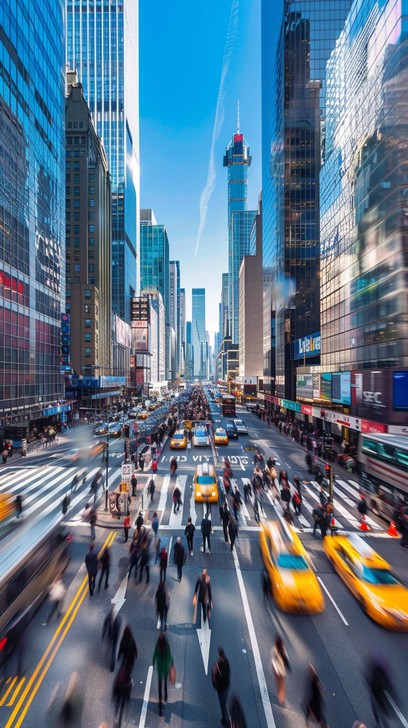
Modern cities face a compounding crisis: population density climbs while ecological margins shrink. For decades, municipal zoning and environmental legislation operated in total isolation. Planners mapped asphalt and housing blocks, while environmental protection agencies handled pollution regulations downstream. Bridging this administrative divide requires merging urban design with ecological governance from the ground up.
Merging municipal design with ecological frameworks changes how cities handle resource consumption, land zoning, and climate adaptation. Traditional expansion models treated nature as an external constraint rather than an active structural component. Modern integration treats urban spaces as living ecosystems, balancing human density with ecological preservation.
The Evolution of Regional Zoning and Ecology
Early twentieth-century zoning laws separated industrial zones from residential districts primarily to protect public health from factory smoke. These Euclid-style ordinances did little to address broader systemic footprints, such as watershed disruption or urban heat islands.
As industrial footprints expanded, municipal governments realized that single-use zoning accelerated sprawl. Sprawl destroys natural carbon sinks and increases vehicle dependency. Transitioning away from segregated zoning requires mixed-use developments that blend residential spaces, commercial hubs, and green corridors into a single footprint.
When planners coordinate land use alongside regional environmental targets, several shifts occur:
- Transport networks align with natural topography rather than overriding it.
- Zoning codes mandate permeable surfaces to mitigate stormwater runoff.
- Urban boundaries restrict outward expansion to protect surrounding agricultural and forest buffers.
Municipal frameworks must evaluate long-term environmental carrying capacities before approving large-scale real estate developments. This means shifting away from reactive mitigation—such as cleaning up pollution after construction—toward proactive ecological alignment.
Core Mechanisms for Policy Integration
Policy alignment fails when local building codes conflict with national conservation targets. To bridge this gap, municipal authorities utilize specific legal and administrative instruments.
Environmental Impact Assessments as Baseline Tools
Environmental Impact Assessments (EIAs) evaluate the potential ecological consequences of a proposed development before ground breaks. Historically, developers treated EIAs as bureaucratic hurdles. Modern integrated frameworks treat them as binding design parameters. If an assessment reveals that a proposed transit hub disrupts a local wildlife migration corridor, the design must adapt or face rejection.
Green Infrastructure Mandates
Cities require structural elements that mimic natural ecosystems. Rooftop gardens, vertical forests, and bioswales are no longer optional aesthetic upgrades; they function as core municipal infrastructure. Bioswales capture rainwater runoff, filtering heavy metals before they reach local aquifers, while urban tree canopies lower ambient summer temperatures by several degrees.
[Traditional Planning] ──► Segregated Zoning ──► Expansion & Sprawl ──► Reactive Cleanup
[Integrated Policy]    ──► Ecosystem Mapping ──► Mixed-Use Corridors ──► Proactive Resilience
Overcoming Implementation Barriers
Translating theoretical policy models into physical cityscapes encounters fierce resistance from short-term economic interests. Developers often push back against density restrictions and mandatory green building standards, citing inflated upfront capital costs.
Overcoming these friction points demands financial incentives tied to environmental performance. Cities use density bonuses, where developers earn permission to build higher or denser structures if they incorporate advanced energy-efficiency systems or public green spaces.
Another major hurdle involves fragmented jurisdiction. Metropolitan areas often span dozens of independent municipalities, each with distinct zoning laws. A coherent environmental policy cannot stop at a municipal border when watersheds and air currents cross regional lines. Establishing metropolitan-level environmental authorities ensures consistent governance across entire ecological regions.
Common Pitfalls in Urban Sustainability
Many municipal projects stumble into well-documented traps when attempting to green their infrastructure. Recognizing these missteps prevents wasted capital and unfulfilled ecological promises.
- Greenwashing aesthetics: Planting a few decorative trees around a sprawling highway expansion does not constitute sustainable urban planning. True integration alters the core transit and energy matrix.
- Ignoring social equity: Sustainability initiatives can inadvertently raise property values, pricing lower-income residents out of newly greened districts. Climate adaptation must include affordable housing protections.
- Data isolation: City planners often fail to share real-time emissions and traffic data with environmental protection agencies, leading to uncoordinated policy responses.
Frequently Asked Questions
What is urban and environmental policy integration?
It is the administrative and physical practice of coordinating municipal zoning, infrastructure development, and land-use rules with ecological conservation goals to reduce environmental footprints while maintaining human density.
Why did traditional urban planning ignore ecology?
Early industrial city planning prioritized immediate public health separation—such as moving factories away from homes—and economic growth, viewing natural landscapes as empty plots for future development rather than finite ecological systems.
How do bioswales improve city resilience?
Bioswales are landscaped channels designed to absorb and filter stormwater runoff. They reduce the burden on municipal drainage systems, prevent urban flooding, and filter pollutants before they enter local waterways.
Can high-density cities truly be environmentally sustainable?
Yes. High-density urban centers often have lower per-capita carbon footprints than sprawling suburbs because they support efficient public transit, district heating, and shared utility infrastructure, provided their zoning laws mandate green building standards.


