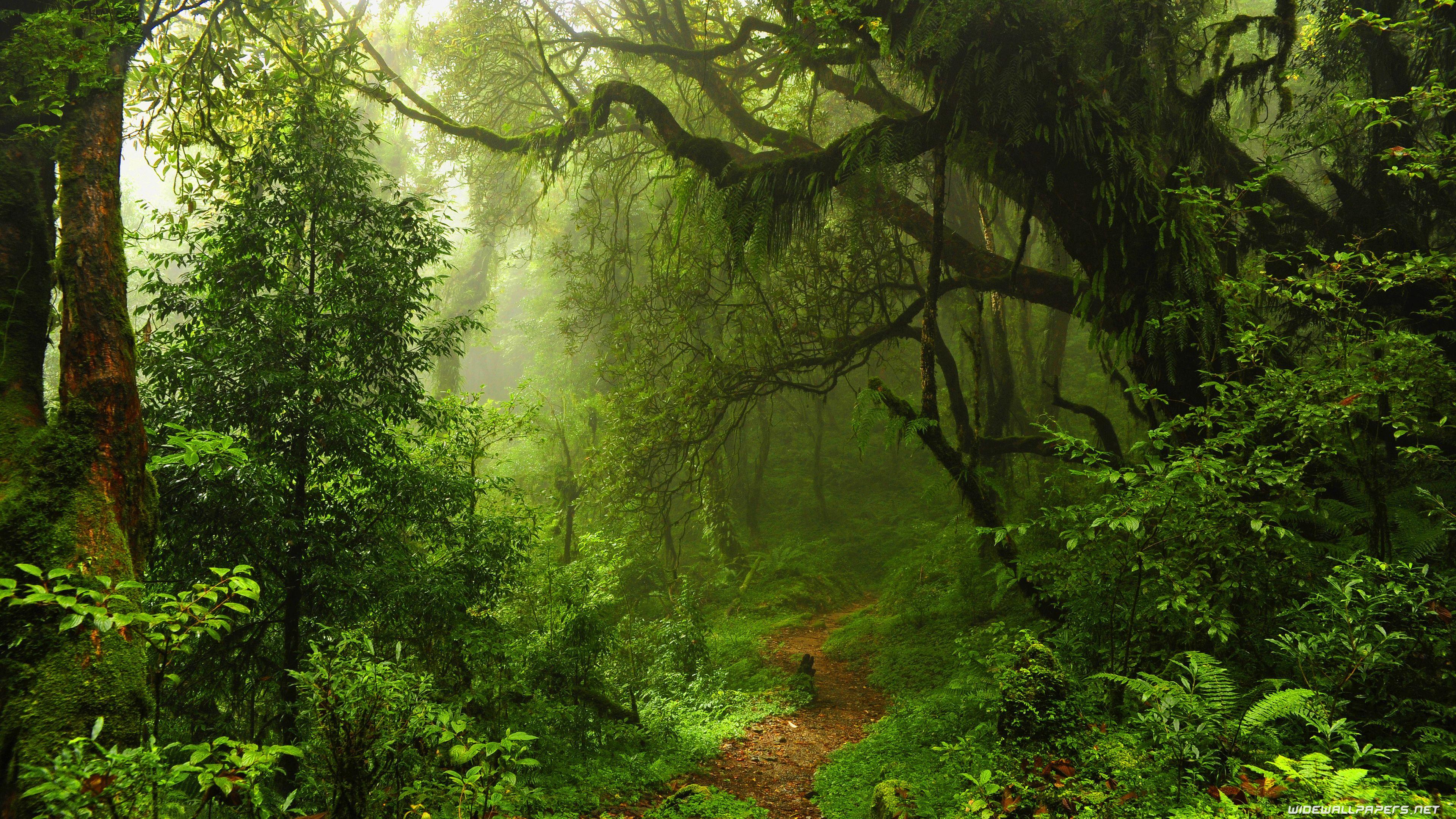
Managing natural patches inside a growing municipality requires balancing ecological health with public access. When foot traffic increases and invasive species move in, city planners face difficult choices about resource allocation and trail preservation. Without active intervention, urban woodlands degrade rapidly under the pressure of expanding concrete footprints.
Protecting these natural zones demands clear operational strategies, targeted funding models, and strict visitor guidelines. Cities must move beyond simple cosmetic upkeep to implement scientific forestry practices that safeguard canopy cover, control soil compaction, and keep local biodiversity intact.
The Ecological Pressures on Municipal Woodlands
Growing cities put intense stress on remaining patches of native timber. As surrounding pavement expands, these patches function as isolated ecological islands. Wildlife can't easily move between habitats, which reduces genetic diversity among local populations.
At the same time, microclimates shift. Urban heat islands raise ambient temperatures around the perimeter, drying out soils and stressing older specimens. Stormwater runoff rushes off nearby streets, carrying heavy metals and road salt directly into local watersheds, which damages root systems and alters soil chemistry.
Invasive Species and Pest Infestations
Non-native plants and insects pose severe threats to local flora. Aggressive vines and shrubs crowd out native wildflowers and prevent tree regeneration.
- Emerald Ash Borers: These wood-boring beetles destroy ash populations across North America, creating hazardous dead standing timber that threatens visitors.
- Japanese Knotweed: This aggressive perennial forms dense thickets that choke out riparian zones and disrupt natural stream banks.
- Garlic Mustard: A prolific seed producer that releases chemicals into the soil to inhibit the growth of native tree seedlings.
Crews must combine manual removal with targeted treatments to keep these threats from overtaking entire park systems.
Balancing Public Recreation and Environmental Conservation
Parks provide essential spaces for running, birdwatching, and mental well-being. However, high visitor volume causes physical wear that infrastructure struggles to absorb.
Soil compaction is one of the most common hidden damages. When visitors step off designated paths to shortcut switchbacks or view wildlife, they compress the earth. This removes the tiny air pockets roots need to take in oxygen and absorb water. Heavy foot traffic also damages fragile understory ferns and exposes shallow root networks.
To minimize this friction, municipal departments rely on clear physical boundaries. Durable boardwalks protect sensitive wetland soils, while split-rail fencing discourages off-trail wandering. Educational signs explain why staying on the path matters, turning casual parkgoers into active stewards of the landscape.
Funding Models and Resource Allocation
Maintaining municipal timberland requires steady financial investment, yet park budgets frequently face constraints. Crews need specialized training to handle hazardous tree removals, ecological restoration, and trail maintenance without damaging the surrounding ecosystem.
Cities often supplement tight municipal budgets through specific funding mechanisms:
- State and Federal Grants: Applying for urban forestry grants from agencies like the USDA Forest Service helps fund large-scale canopy restoration and inventory projects.
- Public-Private Partnerships: Collaborating with local corporate sponsors or utility companies helps cover the cost of young tree plantings and park infrastructure upgrades.
- Volunteer Stewardship Programs: Organizing community groups for weekend cleanups, invasive weed pulls, and trail maintenance stretches limited staff resources.
Relying on volunteers requires ongoing coordination and safety training, but it builds deep community investment in the park's long-term survival.
Practical Steps for Effective Green Space Management
Implementing a sustainable management plan requires a structured, multi-year approach. Municipalities that successfully protect their urban woodlands typically follow these operational phases:
- Comprehensive Tree Inventory: Map every mature specimen using GPS technology to track health, species distribution, and disease risk over time.
- Zoning for Conservation: Establish strict no-impact zones within the park where public access is restricted to allow sensitive flora and fauna to recover undisturbed.
- Adaptive Maintenance Schedules: Adjust mowing, pruning, and weed control based on seasonal weather patterns rather than rigid calendar dates.
- Community Feedback Loops: Hold regular public forums to address resident concerns regarding trail closures, hazard tree removals, and park expansion projects.
Frequently Asked Questions
Why can't urban forests manage themselves like rural woods?
Rural forests cover large, contiguous areas with natural predator-prey dynamics and minimal human interference. Urban woodlands are fragmented islands surrounded by hard surfaces, making them vulnerable to invasive species, pollution, and intense foot traffic that require active human management.
How do cities handle hazardous trees near walking paths?
Arborists inspect trees near trails and infrastructure regularly. If a tree shows advanced decay, structural cracks, or severe pest damage that poses a risk to visitors, crews prune dangerous branches or remove the tree entirely.
What can individual visitors do to protect local park ecosystems?
Visitors should always stay on marked trails, pack out all trash, keep dogs on leashes to protect ground-nesting wildlife, and report vandalism or dumping to local park authorities.
How do climate shifts impact local park planning?
Changing precipitation patterns and extreme weather events force planners to select drought-resistant native tree species that can survive prolonged dry spells and sudden severe storms.


