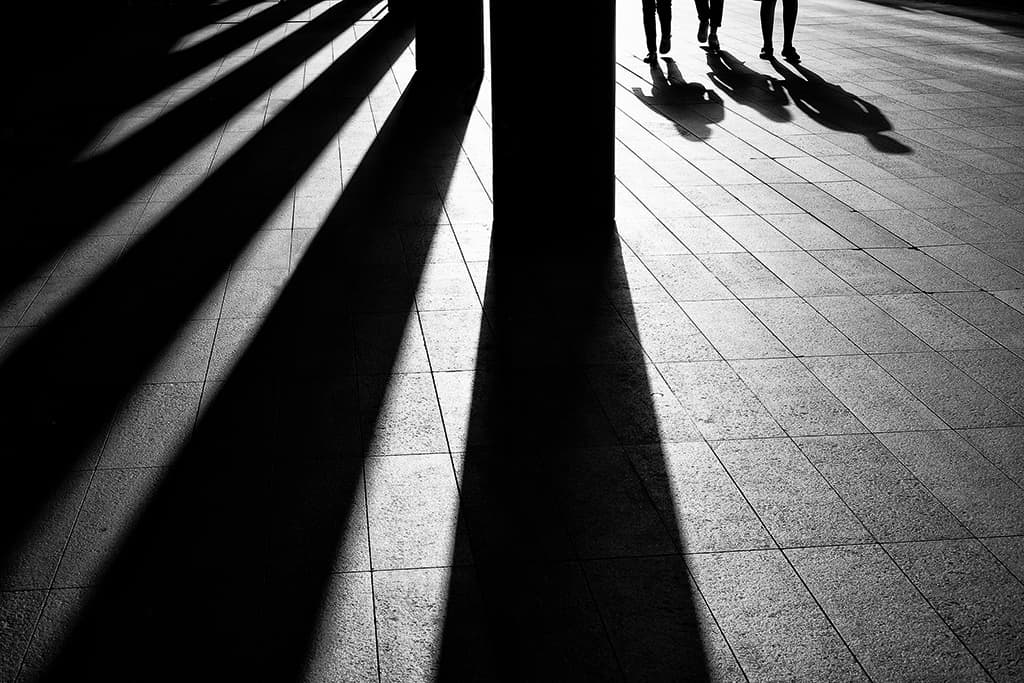
Urban ghost lore persists not as mere superstition, but as an intersection of environmental acoustics, architecture, and perceptual psychology. In dense metropolitan environments where empty alleys, disused subway tunnels, and crumbling industrial relics sit alongside modern skyscrapers, human perception often fills sensory voids with haunting narratives. Rather than focusing on unproven metaphysical claims, researchers examine how physical spaces generate ambiguous stimuli that the human brain interprets as supernatural encounters.
Understanding urban hauntings requires analyzing how cities shape sensory experiences. Cities are massive acoustic resonators. Low-frequency vibrations from heavy machinery, subterranean transit systems, and wind shear create subtle physical responses in humans, ranging from unease to mild disorientation. When combined with historical memories embedded in decaying neighborhoods, these physical cues produce a fertile ground for collective myth-making.
The Acoustic Architecture of Abandoned Spaces
Sound behaves in predictable ways within abandoned industrial complexes, transit hubs, and narrow alleyways. Structural geometry often traps and distorts noise, turning distant traffic or wind into erratic, muffled sounds that mimic human speech or footsteps.
- Resonance chambers: High ceilings and concrete walls in derelict structures create prolonged reverberation times, smearing sharp noises into eerie echoes.
- Infrasound generation: Low-frequency waves below twenty hertz, produced by ventilation shafts and train lines, cannot be heard by the human ear but can stimulate the inner ear, triggering feelings of dread or a sense of an unseen presence.
- Wind channeling: Narrow urban corridors act as wind tunnels, producing rhythmic pressure differentials and whistling frequencies that sound organic and intentional.
According to studies on auditory pareidolia documented by the Acoustical Society of America, human brains are evolutionarily primed to detect human vocalizations over ambient noise. In quiet, isolated environments, the auditory cortex actively tries to resolve vague sounds into recognizable signals, frequently misinterpreting wind currents as whispers.
Cognitive Biases and Environmental Psychology
The psychological framework behind urban legends relies heavily on cognitive biases that process stress, isolation, and spatial ambiguity. Cities isolate individuals even within crowded populations. When someone enters a decaying or historically significant building, environmental cues prime their expectations.
Confirmation bias plays a central role. Once a person hears a rumor about a location, every creaking floorboard or draft is interpreted as supporting evidence. This psychological mechanism is reinforced by contextual priming, where historical tragedies associated with a site lower the threshold for perceiving anomalous events. Research published by the American Psychological Association indicates that spatial disorientation and unfamiliar lighting conditions significantly increase physiological arousal, which individuals frequently misattribute to paranormal causes.
Case Studies in Urban Hauntings
Examining well-known urban legends reveals consistent patterns across different geographical locations.
- Industrial corridors: Narrow brick alleys flanked by disused factories often trap localized drafts, generating shifting acoustic shadows that residents perceive as disembodied voices.
- Subterranean transit networks: Below-ground maintenance tunnels feature high humidity, fluctuating temperatures, and low-light conditions that distort depth perception and motion detection.
- Repurposed public institutions: Former asylums and hospitals retain distinctive architectural layouts that induce mild vertigo, leading visitors to report an unsettling atmosphere independent of any actual history.
These examples show that urban ghost lore functions as a living archive of community memory. Stories emerge to make sense of rapid urban development, displacement, and the loss of historical continuity.
Frequently Asked Questions
Why do urban ghost stories often center around abandoned industrial sites?
Abandoned factories and transit hubs provide stark visual contrasts to modern city life, invoking a sense of collective nostalgia and loss. Their unique acoustics and decaying structures naturally produce unusual sensory inputs that invite imaginative interpretation.
Can infrasound actually cause people to feel haunted?
Yes. Controlled laboratory studies demonstrate that exposure to low-frequency sound waves can induce physiological symptoms such as chills, anxiety, and a feeling of being watched, without the subject hearing any audible tone.
How do urban legends spread through modern communities?
Local folklore evolves through digital platforms, urban exploration forums, and community storytelling. As stories are retold, details are embellished to heighten emotional resonance, transforming local history into enduring myth.
Is urban ghost lore considered a valid field of study?
While the paranormal claims are dismissed, folklorists, urban sociologists, and environmental psychologists study urban ghost lore as valuable cultural data that reflects how human populations interact with built environments.



