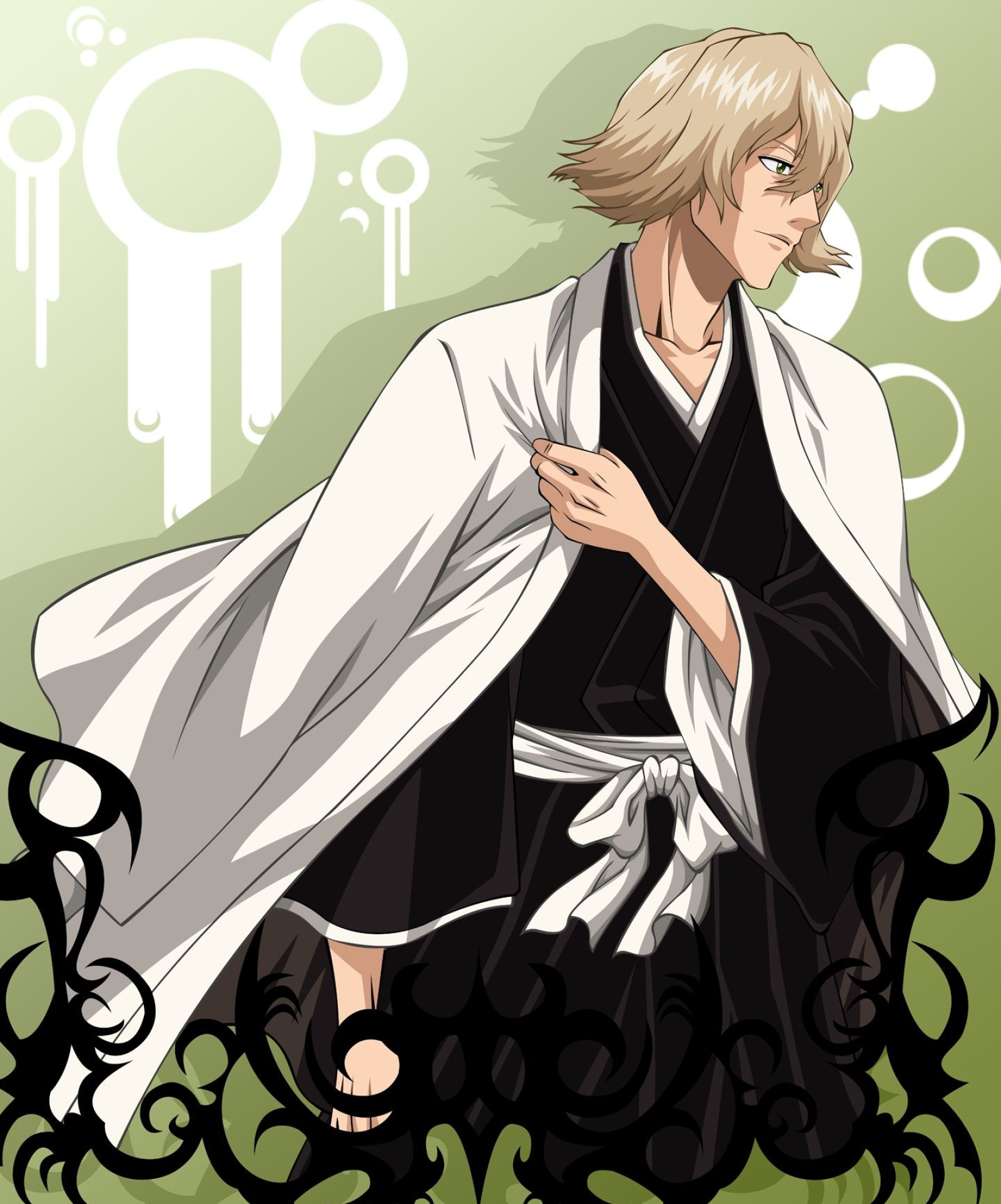
Kisuke Urahara's Zanpakuto, Benihime (Crimson Princess), stands among the most versatile and unconventional weapons in Bleach. While many Soul Reapers rely on brute force or elemental destruction, Urahara's Shikai operates on complex energy manipulation, kinetic redirection, and spatial traps. Its release command, "Awaken" (Naki), summons a blade that looks unassuming yet conceals devastating tactical depth.
To understand Urahara Shikai, you have to look past standard combat tropes. Benihime doesn't just cut; it projects, traps, shields, and restructures reishi (spirit particles) on the fly. This guide breaks down every known ability of Urahara's Shikai, how its techniques function in battle, and how it compares to his ultimate Bankai, Kannonbiraki Benihime Aratame.
The Core Mechanics of Benihime
Benihime takes the form of a shikomizue (a blade hidden inside a walking cane) in its unreleased state. When released into Shikai, it transforms into a slightly curved, traditional katana with a curved guard and a distinct red ribbon tied around the hilt. Unlike swords that rely purely on physical strikes, Benihime is built around the manipulation of energy blasts known as Chikasumi and advanced kinetic barriers.
Urahara's genius lies in his ability to combine kido spells with his Shikai's innate techniques. While other captains specialize in pure swordsmanship, Urahara treats his Zanpakuto as a Swiss Army knife of tactical warfare. He can set invisible traps, deflect incoming attacks, and pin opponents down without ever engaging in a traditional sword fight.
Every Known Shikai Technique Explained
Benihime features multiple named techniques (called Taki or cries), each serving a specific defensive, offensive, or utility purpose. Here are the primary techniques demonstrated throughout the series:
- Shigaki: Nake Benihime (Screaming Princess): A powerful crimson energy blast fired from the tip of the blade. It possesses immense destructive force and can effortlessly shatter high-level defensive barriers or overpower enemy attacks head-on.
- Chikasumi no Tate (Blood Mist Shield): A circular barrier generated in front of Urahara by a combination of blood and spiritual energy. It creates a sturdy shield capable of blocking powerful physical blows and projectile attacks.
- Kamisori Benihime (Razor Princess): An advanced slashing technique that allows Urahara to extend a wave of compressed spiritual energy from his blade, capable of cutting through solid steel or slicing an enemy from a distance.
- Hiasobi Benihime, Juzutsunagi (Fire-Blowing Princess, Bound Bead): A trap technique where Urahara fires multiple energy orbs that attach themselves to an opponent or their surroundings. When triggered, the orbs create a massive, interconnected chain reaction of fiery explosions.
- Tsuzumi Tate (Drum Shield): A flat, rectangular spiritual barrier placed along an opponent's path to block sudden charges or redirect physical momentum.
Tactical Combat Style and Adaptability
Urahara doesn't rely on raw power; he relies on anticipation and misdirection. In his battle against Yammy Llargo and later against Askin Nakk Le Vaar, his Shikai serves as a tool for probing enemy weaknesses. Because Benihime can produce both physical cuts and explosive energy traps, opponents never know whether Urahara is launching a direct assault or setting a delayed trap.
For example, during his fights in the Hueco Mundo and Thousand-Year Blood War arcs, Urahara frequently uses feints with Kamisori Benihime to force enemies into defensive positions, only to detonate hidden Hiasobi traps behind them. This multi-layered approach makes his Shikai one of the most unpredictable weapons in the Soul Society.
Shikai Versus Bankai: Transitioning to Kannonbiraki Benihime Aratame
While the Shikai focuses on versatility, traps, and energy redirection, Urahara's Bankai, Kannonbiraki Benihime Aratame, shifts entirely into restructuring and modification. Named after the Buddhist deity of mercy, his Bankai possesses the ability to restructure anything it touches—whether that means sewing limbs back together, rebuilding destroyed terrain, or tearing open pathways through solid barriers.
Transitioning from Shikai to Bankai highlights Urahara's combat philosophy. The Shikai gathers data, probes defenses, and wears down the opponent through psychological and tactical pressure. Once an opening is found, the Bankai steps in to rewrite the rules of the battlefield entirely. You can read more about overall Bleach lore and characters to see how various captains balance their released forms.
Frequently Asked Questions
What is Urahara Shikai's release command?
The release command for Benihime is "Awaken" (Naki in Japanese). Urahara swipes his cane or blade while speaking the command to transform it from its hidden cane state into its standard katana Shikai form.
Can Benihime cut through anything?
While Benihime is exceptionally sharp, its primary strength isn't raw cutting power like Kenpachi Zaraki's blade. Instead, its strength comes from energy projection, explosive traps, and spiritual energy manipulation.
Why does Urahara keep his Zanpakuto hidden as a cane?
Keeping Benihime disguised as a shuko (walking cane) allows Urahara to maintain a casual, unassuming demeanor while keeping a deadly weapon instantly accessible during sudden street skirmishes or unexpected attacks.
How does Benihime compare to other elemental Zanpakuto?
Unlike elemental blades such as Yamamoto's Ryujin Jakka or Toshiro's Hyorinmaru, Benihime is classified as a Kido-type or energy-manipulation Zanpakuto, meaning its effects rely on spiritual energy constructs, blood manipulation, and explosive payloads rather than natural elements like fire or ice.



