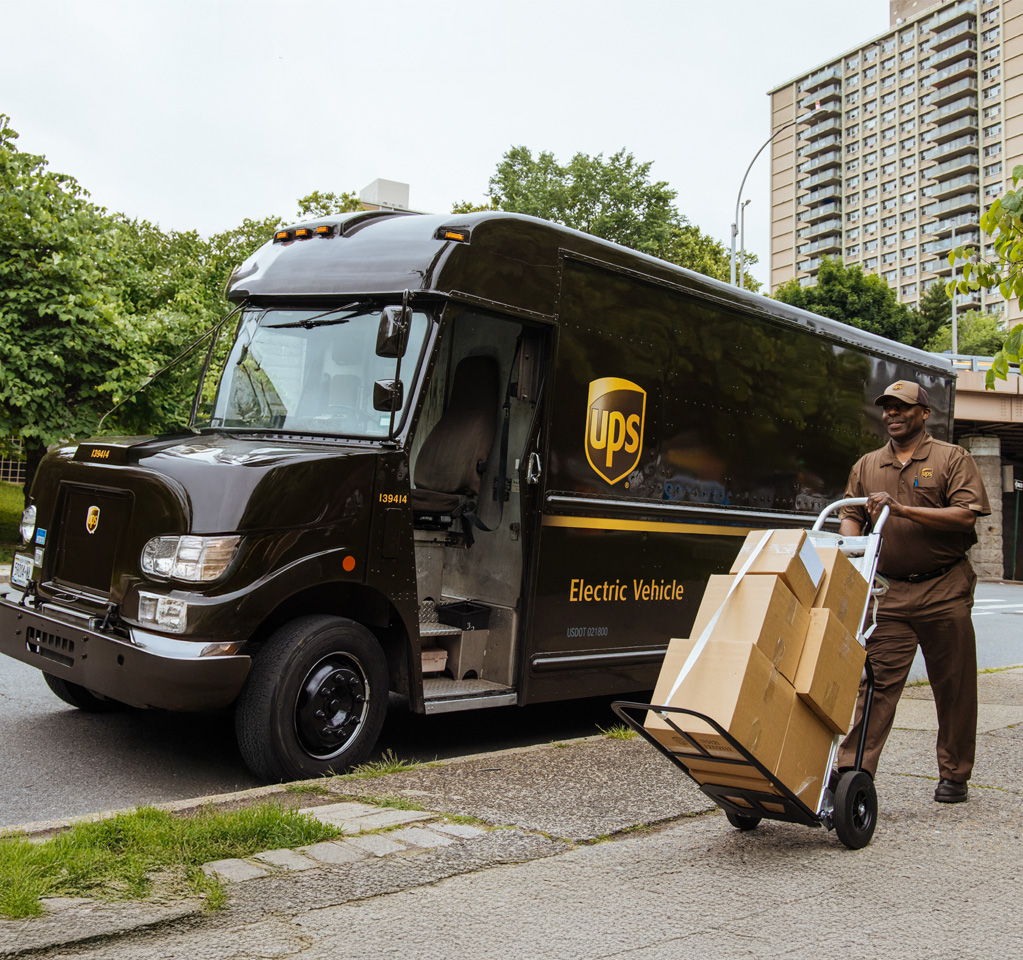
When you drop off a package or buy an item online, you rarely think about the massive invisible network that springs into action. Behind every single update on a tracking screen lies an intricate web of barcoding, automated sorting hubs, and predictive data flows that keep international trade moving. Without this digital coordination, modern retail and global commerce would grind to a halt.
At its core, UPS tracking relies on capturing data at distinct physical handoffs. Every time a box moves from a local drop-off box to a regional hub, or clears customs across a border, a laser scanner logs its unique identifier. This data feeds into centralized servers that process millions of events per second, turning raw physical movement into real-time digital visibility for buyers and sellers alike.
The Anatomy of a Tracking Number
Every journey starts with a string of numbers and letters, most commonly beginning with the letters 1Z. This format isn't random; it functions as a structured data container that tells sorting systems vital information about the shipment before it even leaves the origin facility.
A standard UPS tracking number encodes the shipper's account number, a unique package identifier, a service level indicator, and a check digit used to prevent input errors. When a barcode printer generates that label, it translates this string into a Code 128 or a high-density Maxicode—a two-dimensional matrix designed to be read instantly by automated sorting tunnels even if the package is sliding past at high speeds upside down.
If a label gets scuffed or torn during transit, backup systems kick in. High-speed multi-side camera tunnels capture images of every passing box, utilizing optical character recognition to read printed addresses and secondary barcodes, ensuring packages rarely get lost in the system.
Inside the Automated Hubs
Package flow inside a modern sorting facility resembles an automated ballet. Once a trailer is unloaded, packages move onto high-speed tilt-tray or cross-belt conveyor systems.
As boxes glide down the line, they pass under automated laser arrays that read the tracking barcode from multiple angles in milliseconds. Diverters then nudge each box onto its designated chute based on destination postal codes and service urgency.
- Origin Scans: Registered when the carrier first takes physical possession of the item via pickup or drop-off at an authorized The UPS Store location.
- Arrival and Departure Scans: Logged automatically as transport vehicles enter and exit sorting facilities, hubs, and airports.
- Out for Delivery Scans: Triggered when the local driver loads the package onto a delivery vehicle for its final urban or rural route.
This relentless cycle of scanning ensures that accountability transfers smoothly from handler to handler, minimizing lost freight and establishing a clear chain of custody.
Data Pipelines and Predictive Logistics
Physical movement is only half the equation. The real power of enterprise tracking platforms comes from the software infrastructure processing the telemetry. When millions of packages update simultaneously, database architectures handle immense transaction volumes without latency.
Modern logistics platforms don't just report where a package was; they predict where it will be. Machine learning models analyze historical traffic patterns, weather events, local road closures, and customs backlogs to forecast accurate delivery windows. If a snowstorm closes a major highway interchange near a primary air hub, routing algorithms automatically recalculate alternative paths for affected freight, updating customer estimates dynamically.
For high-volume enterprise shippers, specialized tools like UPS Quantum View aggregate data across entire supply chains. Instead of checking single parcels, logistics managers monitor inbound raw materials and outbound finished goods through centralized dashboards, allowing businesses to spot supply chain bottlenecks before they impact retail inventory.
Common Friction Points in Global Shipping
Even with advanced automation, packages occasionally hit snags. Understanding why tracking stalls helps clarify the limits of the system.
Customs clearance is the most frequent cause of unexpected delays during international transit. When a package crosses an international border, regulatory agencies require accurate electronic documentation regarding commodity value and material composition. If paperwork is incomplete, or if random compliance flags trigger a physical inspection, tracking statuses will pause at "In Transit" or "Clearance Delay" until customs officers clear the entry.
Another common point of confusion involves consolidated shipping methods, such as service tiers that combine long-haul freight transit with final-mile postal delivery. During handoff points between different carrier networks, tracking updates can temporarily flatline while freight is palletized or consolidated into bulk containers.
Frequently Asked Questions
Why hasn't my tracking number updated for a few days?
Packages traveling long distances often spend days on line-haul trucks, cargo ships, or airplanes between major sorting facilities. During these cross-country or international legs, the package may not pass a new scanner, resulting in a temporary gap in tracking updates until it arrives at the next regional hub.
What does a "Destination Scan" mean?
A destination scan indicates that your package has arrived at the local facility responsible for dispatching deliveries to your specific area. This usually means the item will be loaded onto a delivery vehicle for final drop-off within one or two business days.
Do I need an account to track shipments?
You do not need a paid account to check basic shipping status using standard tracking tools. However, creating a profile through services like UPS My Choice unlocks proactive delivery alerts, vacation holds, and the ability to reroute packages to secure pickup locations.
How are delivery exception alerts triggered?
An exception occurs when an unforeseen event—such as extreme weather, incorrect address details, or an unsuccessful delivery attempt—prevents a package from moving along its normal schedule. The tracking system updates automatically once the carrier resolves the issue or schedules a subsequent delivery attempt.



