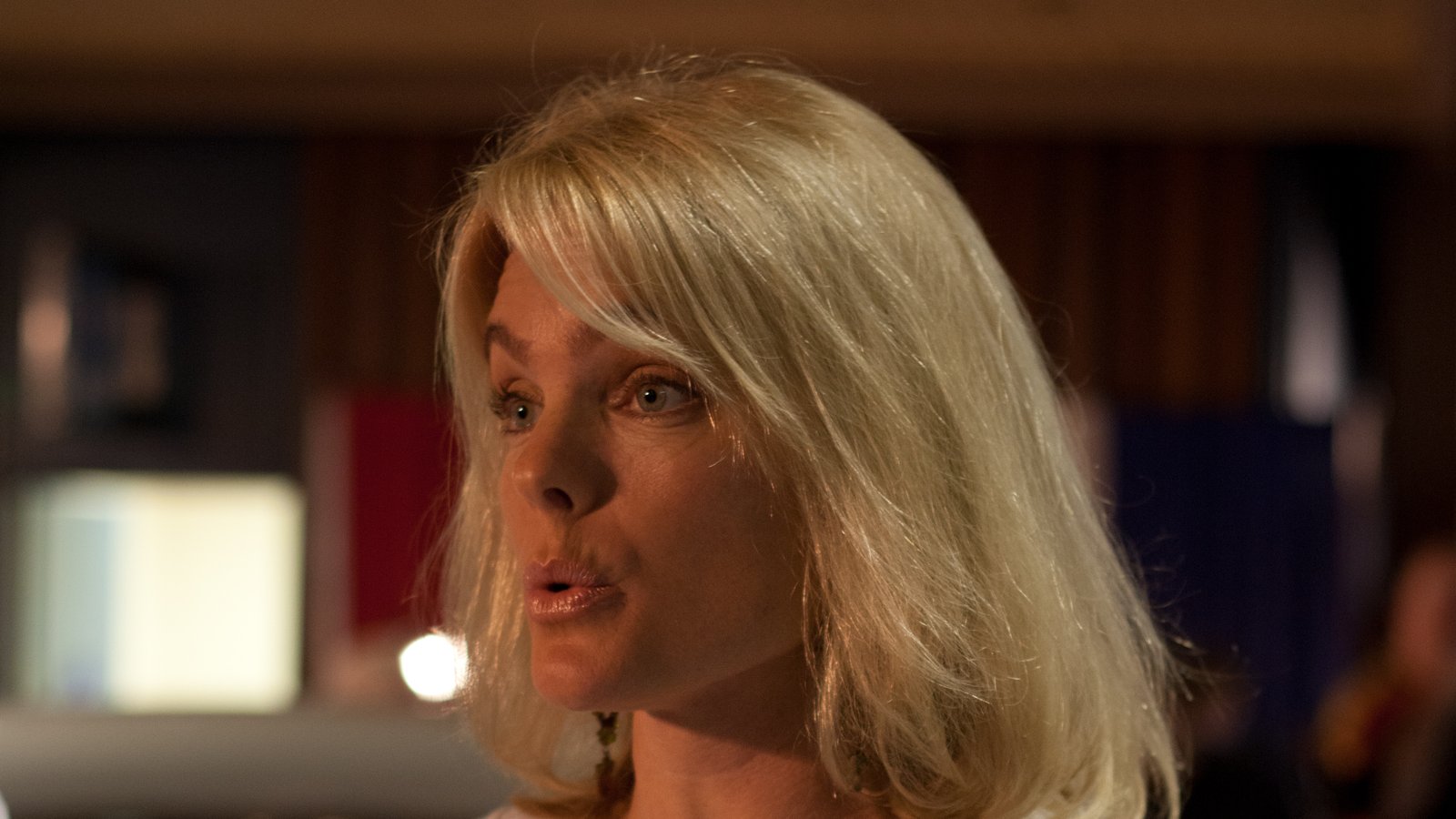
Sade stands as a rare pillar in modern music, defined not by relentless output, but by uncompromising restraint. Led by enigmatic frontwoman Helen Folasade Adu, the eponymous band carved out a singular lane in the 1980s and 1990s. They merged quiet storm, jazz, and soul into an understated aesthetic that rejected pop trends. Decades after their debut, the group's cultural footprint extends far beyond vintage radio play, influencing generations of artists who prize mood and texture over commercial speed.
The band's endurance relies on a specific creative formula: meticulous production, patient tempos, and an aura of timeless elegance. While contemporaries chased synthetic production trends, Sade anchored their sound in organic warmth. This approach established a blueprint for alternative R&B and sophisti-pop, proving that silence and space inside a song carry as much weight as melody.
The Blueprint of Quiet Storm and Sophisti-Pop
Emerging from London's vibrant club scene in the early 1980s, Sade rejected the frantic energy of post-disco. Their debut album, Diamond Life (1984), introduced a muted, sophisticated palette driven by Stuart Matthewman's breathy saxophone, Andrew Hale's rich keyboard chords, and Paul Denman's walking basslines. Tracks like "Smooth Operator" and "Your Love Is King" didn't demand immediate attention with high volume; instead, they drew listeners inward.
This sonic restraint created a subgenre identity often labeled as sophisti-pop or refined quiet storm. The instrumentation featured clean electric guitars, brushed percussion, and subtle jazz arrangements. It created an atmosphere suited for late-night reflection rather than high-tempo dance floors. By stripping away extraneous noise, the band allowed Sade Adu's contralto vocals to sit comfortably at the center of the mix. Her delivery was intimate, conversational, and devoid of vocal gymnastics, establishing a template for emotional vulnerability in popular music.
Perfectionism Over Pacing: The Rhythm of Release
Most commercial acts adhere to a rigid two-year album cycle to maintain visibility. Sade inverted this model entirely. Across four decades, the band released only six studio albums, with gaps stretching up to a decade between projects, such as the lengthy wait between Lovers Rock (2000) and Soldier of Love (2010).
This deliberate pacing protected the quality of their catalog. Every record felt like an event rather than a contractual obligation. When Love Deluxe arrived in 1992, it captured a maturing sound that reflected personal growth and changing global textures. Songs like "No Ordinary Love" displayed a darker, heavier emotional resonance while maintaining the signature sonic clarity. By refusing to flood the market, Sade cultivated an aura of exclusivity. Fans didn't just consume the music; they anticipated it as an artistic statement.
Visual Identity and Cultural Authority
The legacy of Sade is inseparable from its distinct visual presentation. Helen Adu's background in fashion design at Saint Martin's School of Art heavily influenced the band's aesthetic. Clean lines, minimalist styling, slicked-back hair, and classic trench coats created an iconic look that bypassed fleeting 1980s neon trends.
The music videos, often directed by high-profile filmmakers like Julien Temple, treated the band as cinematic subjects. This visual coherence translated into enduring cultural currency. Decades later, musicians across hip-hop, indie rock, and modern R&B reference Sade's visual branding. It proved that an artist could maintain absolute privacy while projecting an unmistakable sense of modern cool.
Cross-Genre Influence and Modern Repercussions
Sade's impact on subsequent generations of artists is vast and well-documented. Hip-hop producers recognized the cinematic quality of their basslines and drum grooves early on, sampling their tracks to create atmospheric backdrops. Vocalists across genres frequently cite Adu as a foundational influence.
- Hip-Hop Sampling: Producers gravitated toward the isolated instrumentation of tracks like "Pearls" and "Is It a Crime," using them to anchor gritty urban narratives.
- Vocal Phrasing: Contemporary R&B singers adopted Adu's conversational phrasing, favoring emotional resonance over vocal acrobatics.
- Alternative R&B: The moody, nocturnal textures pioneered on Love Deluxe prefigured the ambient R&B movements of the 2010s.
Artists ranging from Drake to Frank Ocean have openly acknowledged the band's influence, cementing Sade's status as musicians' musicians. According to profiles and historical overviews maintained by AllMusic, the group's ability to cross boundaries between jazz, soul, and pop remains a masterclass in artistic independence.
Common Misconceptions About the Band
Many casual listeners conflate the solo identity of Sade Adu with the collective effort of the band. While her striking image fronted the project, the group operates as a democratic unit. Matthewman, Hale, and Denman co-write and shape the core compositions alongside Adu.
Another common error is viewing their long hiatuses as retirements. Rather than walking away from music, the members routinely pursue side projects—such as Sweetback—or focus on personal life balance, ensuring that when they return to the studio, the creative drive remains authentic. Official milestones, awards, and historical context regarding their career trajectory are archived extensively by resources like Wikipedia's Sade band entry.
Frequently Asked Questions
Is Sade a solo artist or a band?
Sade is a four-piece band named after lead singer Sade Adu. The core lineup includes Adu alongside Stuart Matthewman, Paul Denman, and Andrew Hale.
Why does Sade take such long breaks between albums?
The band prioritizes artistic quality and personal well-being over commercial schedules, often spending years refining their sound before entering the studio.
What genre is Sade's music?
Their music bridges several genres, primarily sophisti-pop, quiet storm, smooth jazz, and soulful R&B.
Which Sade album won a Grammy?
While several albums achieved massive commercial success and multi-platinum certifications, the band notably won the Grammy Award for Best New Artist in 1986.


