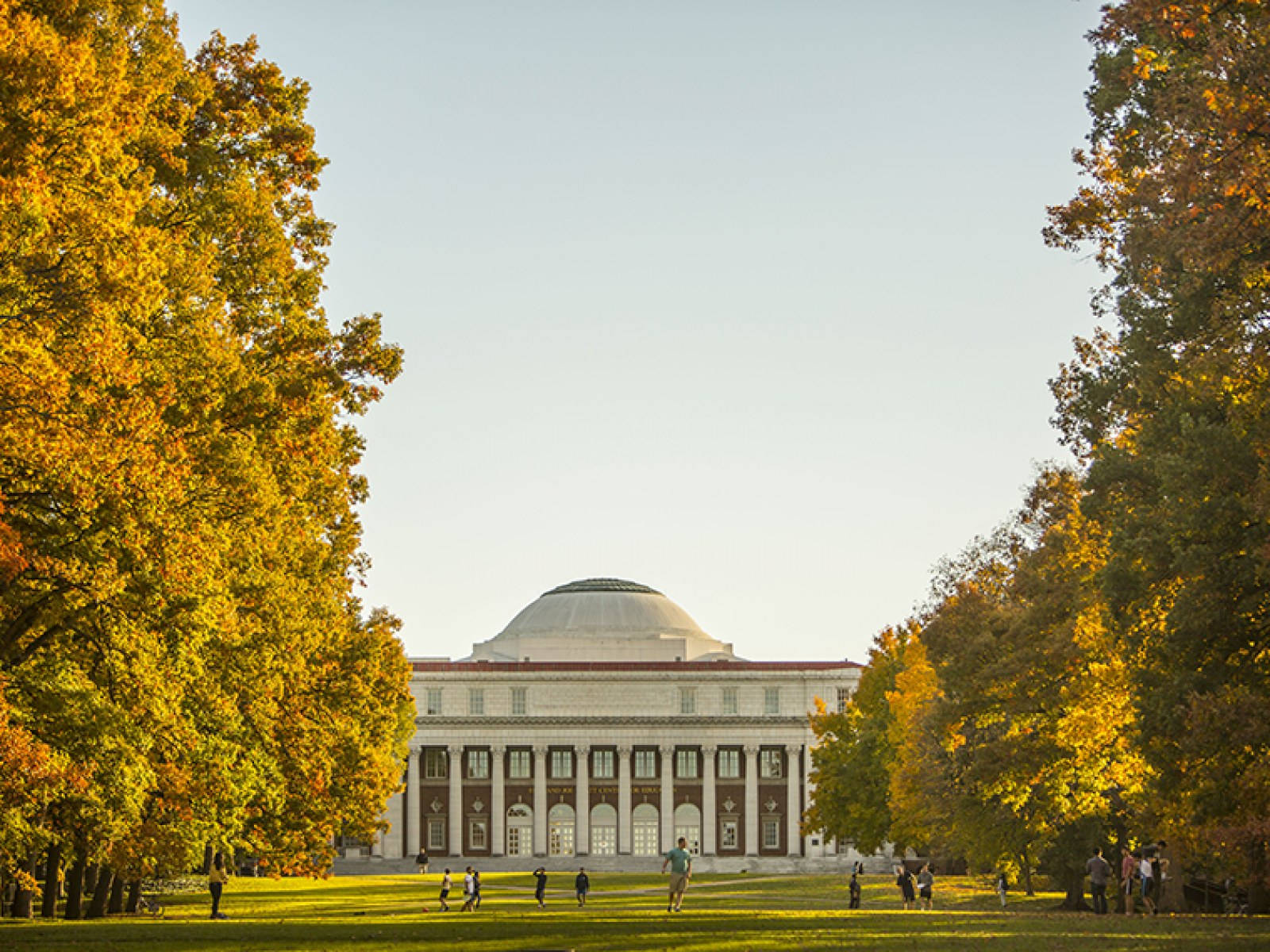
Choosing a private liberal arts institution requires looking past generic brochures to see how academics, daily environment, and long-term planning actually intersect. The University of Richmond offers a distinctive model that combines a liberal arts foundation with professional schools, creating an undergraduate-focused ecosystem in Virginia.
Operating on a picturesque campus featuring Collegiate Gothic architecture, the institution enrolls roughly 3,100 undergraduate students. This tight-knit size shapes everything from seminar discussions to research funding availability. Let's break down what defines the academic model, student culture, and future trajectory of this unique university.
Academic Structure and Distinctive Learning Models
Academic life centers heavily on undergraduate teaching. Unlike massive research universities where introductory courses overflow into lecture halls, classes here stay small. Professors teach nearly all classes directly, bypassing graduate teaching assistants.
The academic framework divides into several core divisions:
- School of Arts and Sciences: The largest division, covering humanities, social sciences, and natural sciences.
- Robins School of Business: An undergraduate business program integrated early into the curriculum.
- Jepson School of Leadership Studies: The first school of leadership studies in the United States, offering an interdisciplinary approach to ethics, organizational behavior, and public policy.
- T.C. Williams School of Law: A nationally recognized graduate law program located on the same cohesive campus.
A signature feature of the academic experience is the spider-web curriculum and robust undergraduate research funding. Students regularly secure competitive grants to conduct independent research alongside faculty members during the academic year or summer break.
Campus Life and Student Culture Outside the Classroom
Living on campus shapes a vibrant community because nearly all undergraduates reside in university housing for all four years. Residential colleges, themed living communities, and active Greek life anchor the social structure.
Student involvement spans over 200 student-run organizations, ranging from cultural affinity groups to literary magazines and outdoor adventure clubs. Division I athletics—competing as the Richmond Spiders—bring the campus together on weekends, though the athletic culture coexists smoothly with a strong intellectual and arts-focused student body.
The surrounding city of Richmond adds substantial value to daily life. Located just minutes from the James River, students utilize the local internship market, volunteer networks, and cultural hubs. Urban access combined with a wooded, suburban-style campus creates a balanced daily rhythm.
Strategic Vision and Institutional Growth
Long-term planning at the institution centers on accessibility, financial sustainability, and campus inclusivity. The university operates under a comprehensive strategic framework focused on several key pillars:
- Access and Affordability: Expanding endowment commitments to meet full demonstrated financial need for admitted students, ensuring economic diversity matches intellectual talent.
- Well-Being and Belonging: Enhancing mental health resources and building dedicated spaces for community dialogue across different student populations.
- Global and Local Integration: Broadening study abroad participation rates—historically among the highest for liberal arts colleges—while deepening community partnerships within central Virginia.
These initiatives guide capital investments, curriculum updates, and faculty recruitment, ensuring the school adapts to modern workforce demands without abandoning its liberal arts core.
Common Misconceptions About the University of Richmond
Applicants often misunderstand specific structural details about the institution. Clearing these up helps prospective students set realistic expectations:
- It's not just a business school: While the Robins School of Business receives frequent acclaim, the arts, sciences, and Jepson leadership programs carry equal academic weight.
- It is not a commuter school: Because four-year housing is guaranteed and heavily populated, the weekend campus remains active rather than emptying out.
- Geographic diversity is high: Even though it sits in Virginia, the student body draws heavily from the Northeast, Mid-Atlantic, and international regions.
For official statistics, admissions cycles, and tuition details, consult the U.S. Department of Education College Scorecard.
Frequently Asked Questions
What is the average class size at the University of Richmond?
Average class sizes hover around 16 students, and the student-to-faculty ratio sits near 8 to 1. This ensures direct interaction with professors rather than anonymous lecture formats.
Do students need a car on campus?
Freshmen traditionally don't bring cars, as the campus is walkable and self-contained. Shuttle services and local transit provide access to the broader Richmond area for upperclassmen.
How does the Jepson School work?
The Jepson School of Leadership Studies offers an undergraduate major and minor. Students apply during their sophomore year to study decision-making, historical leadership models, and ethical frameworks through an interdisciplinary lens.
What kind of financial aid does the university provide?
The institution practices need-blind admission for domestic applicants and meets 100 percent of demonstrated financial need through grants rather than loans for many qualifying families.



