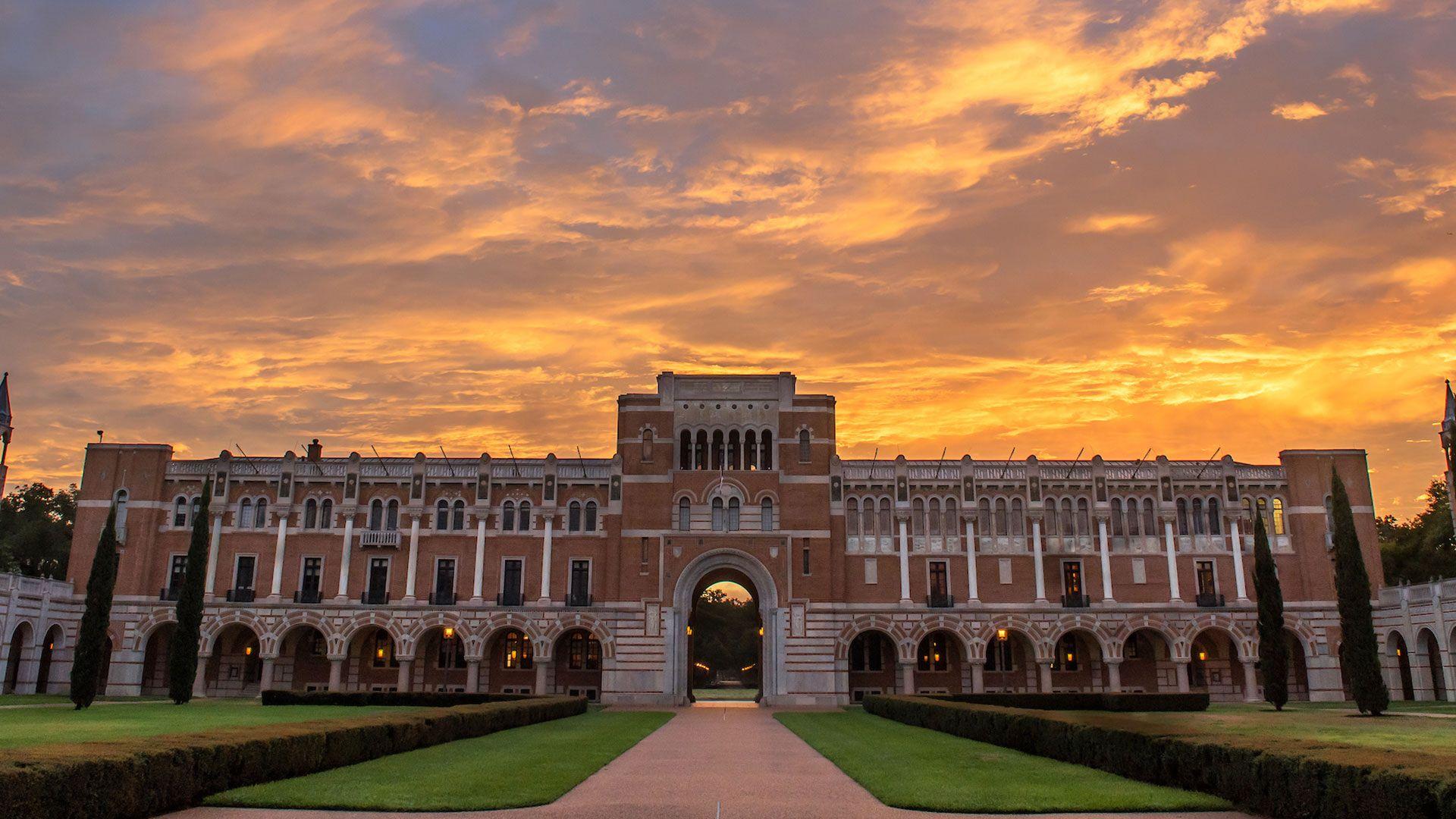
Founded in 1839 along the rugged American frontier, the University of Missouri broke a vital barrier as the first public institution of higher education west of the Mississippi River. Located in Columbia, Missouri, this flagship campus began with a modest mission to bring formal learning to the expanding western territories. Over nearly two centuries, the institution evolved into an academic powerhouse, shaping modern journalism, scientific research, and agricultural science. Understanding its trajectory reveals how a pioneer college transformed into a cornerstone of American public higher education.
The early decades weren't without friction. Financial constraints, shifting state politics, and the devastation of the American Civil War—during which Union troops occupied portions of the campus and used library volumes as fuel—tested the resolve of students and faculty. Yet, the university rebuilt and expanded its academic scope. By the late nineteenth century, it incorporated dedicated colleges for agriculture, engineering, law, and medicine, cementing its identity as a comprehensive land-grant institution dedicated to public service and practical innovation.
Pioneer Roots and the Land-Grant Mission
The passage of the Morrill Act in 1862 redefined the university's mandate, anchoring it deeply to the economic and social needs of everyday citizens. Rather than focusing solely on classical liberal arts for an elite few, the institution embraced agricultural research, mechanical arts, and technical education.
This commitment birthed the agricultural experiment stations and extension programs that directly supported Missouri farmers. Researchers tested soil compositions, optimized crop yields, and introduced livestock management practices that stabilized regional economies. The University of Missouri established that public universities could serve as active engines for state development rather than isolated ivory towers.
Transforming Professional Education
While agricultural and scientific roots ran deep, the university's cultural footprint expanded dramatically in 1908 with the founding of the Missouri School of Journalism. Often recognized as the first formal journalism school in the world, it revolutionized how reporters were trained by introducing the "Missouri Method"—a hands-on philosophy where students ran commercial news outlets, including local newspapers and television stations, from day one.
This experiential learning model spread across other disciplines. The university built comprehensive medical complexes, specialized nursing and health professions programs, and robust legal clinics. Students didn't just read theory; they practiced their trades under the supervision of industry professionals. This pragmatic approach attracted ambitious learners from across the nation, driving steady enrollment growth through the twentieth century.
Research Excellence and Modern Innovation
In 1908, the university earned admission to the Association of American Universities (AAU), a prestigious coalition of leading research institutions. Today, it holds a classification among doctoral universities with very high research activity. Laboratories on the Columbia campus tackle complex global challenges, ranging from nuclear physics—anchored by the Missouri University Research Reactor, the highest-power university research reactor in the country—to precision health initiatives.
The launch of advanced multi-disciplinary hubs, such as the Roy Blunt NextGen Precision Health building, demonstrates how the campus bridges laboratory discoveries with clinical applications. Researchers collaborate across engineering, medicine, and veterinary medicine to develop targeted therapies for cancer, cardiovascular disease, and neurological disorders.
Campus Culture and Traditions
Beyond academics and laboratories, the student experience at Mizzou is defined by deep-seated traditions. In 1911, the university hosted the first official Homecoming football game, inviting alumni back to campus for a weekend celebration that spawned a nationwide collegiate tradition.
The Columns—six ionic stone pillars remaining from Academic Hall after a devastating 1892 fire—stand as the iconic symbol of the university. They represent resilience, continuity, and the enduring spirit of an institution that survived early destruction to become a thriving educational hub.
Frequently Asked Questions
When was the University of Missouri founded?
The university was established in 1839 following a legislative act that authorized its location in Boone County, making it the first public university established west of the Mississippi River.
What is the significance of the Missouri Method?
The Missouri Method is an educational philosophy pioneered by the university's journalism school that emphasizes hands-on professional experience. Students learn by working directly in professional newsrooms, broadcast stations, and digital media outlets managed by the university.
Is the University of Missouri an AAU member?
Yes. The institution has been a member of the Association of American Universities since 1908, reflecting its sustained commitment to cutting-edge research and academic quality.
What research facilities are notable on campus?
The campus hosts the Missouri University Research Reactor, which supplies medical isotopes used globally for cancer treatments and scientific analysis, alongside advanced facilities like the NextGen Precision Health complex dedicated to translational medicine.



