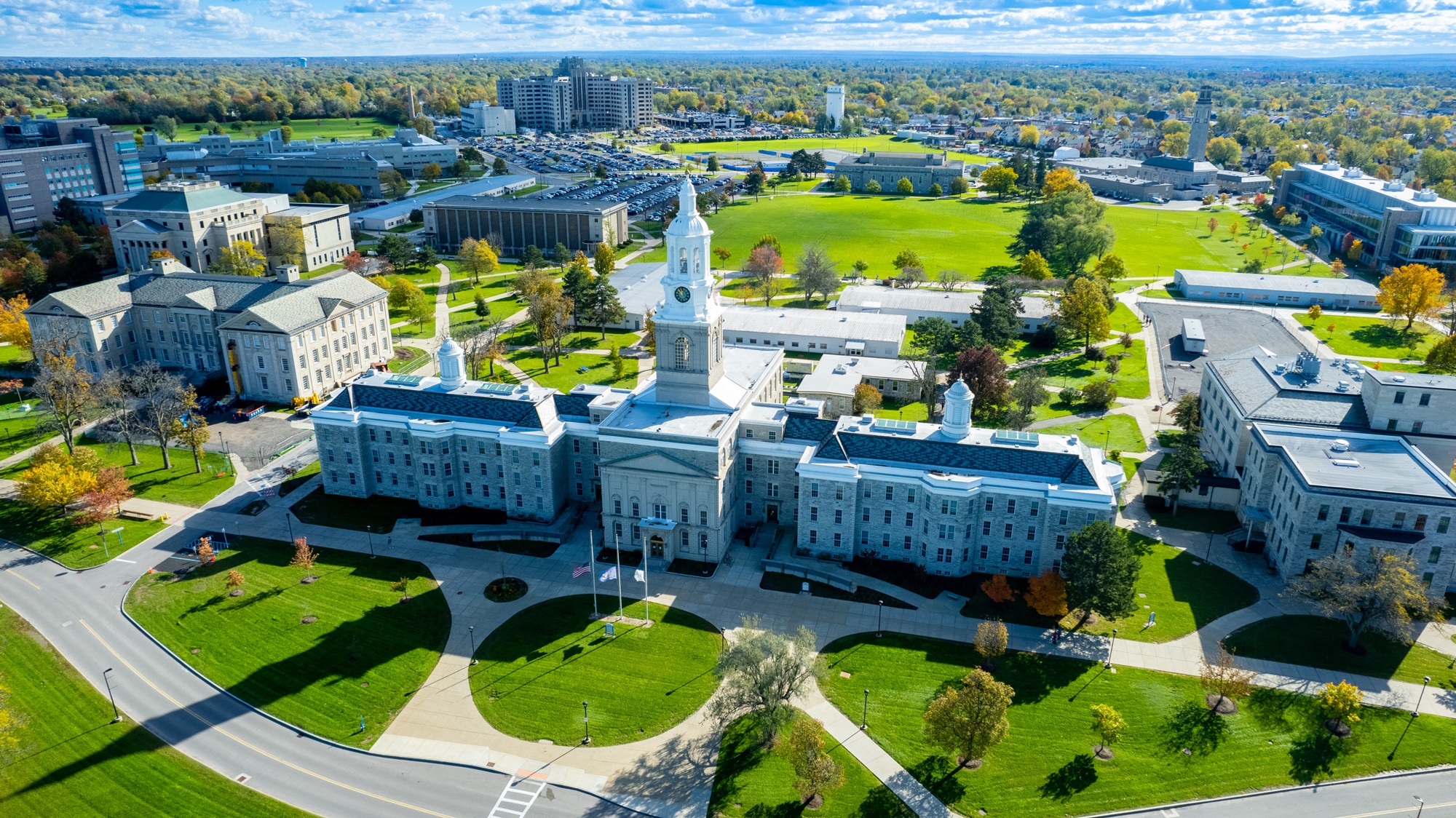
The University of East Anglia (UEA) stands as a globally recognized higher education institution located in Norwich, England. Established in 1963, the university has built a stellar reputation for cutting-edge research, interdisciplinary teaching, and a vibrant student experience. If you're exploring options for undergraduate or postgraduate study, or researching institutional output in the UK, understanding UEA's academic strengths, campus culture, and research impact gives you a clear picture of what this university offers.
When searching for information about UEA, prospective students and researchers often look past basic promotional material. They want to know exact faculty structures, specific research centers, living costs in Norwich, and how degrees translate into career outcomes. This guide cuts through the noise to provide a thorough analysis of the University of East Anglia, covering its academic faculties, campus life, research output, and global standing.
History and Campus Infrastructure
Founded in 1963 alongside a wave of new UK universities, UEA was designed to break traditional academic molds. The campus is built around the iconic Ziggurat student residences and the award-winning Sainsbury Centre for Visual Arts, designed by Norman Foster. Located on a 320-acre parkland site on the edge of Norwich, the campus blends brutalist architecture with extensive green spaces, lakes, and conservation areas.
The physical layout emphasizes accessibility and community. Key facilities include:
- The Library: Open 24/7 during term time, housing over a million books, journals, and digital resources alongside specialized study spaces.
- Sportspark: One of the largest indoor sports complexes in the region, featuring an Olympic-standard swimming pool, climbing wall, and extensive courts.
- The Enterprise Centre: A pioneering building constructed from local bio-renewables, serving as a hub for student business startups and sustainability initiatives.
Academic Faculties and Program Structure
UEA is organized into four main faculties (downstream restructuring from older six-faculty models), encompassing numerous schools of study. This modular structure allows undergraduates to combine subjects or take interdisciplinary electives.
Faculty of Arts and Humanities
Home to world-renowned creative writing programs, literature, history, art history, and philosophy. The creative writing course, famously founded by Malcolm Bradbury and Angus Wilson, has produced numerous Booker Prize winners and internationally acclaimed authors.
Faculty of Medicine and Health Sciences
Focuses on clinical research, nursing, midwifery, and occupational therapy. The Norwich Medical School works closely with the Norfolk and Norwich University Hospital, giving students direct clinical placement opportunities from early in their degrees.
Faculty of Science
Encompasses environmental sciences, computing sciences, chemistry, and mathematics. UEA's School of Environmental Sciences is widely regarded as a global leader, particularly in climate change science and physical geography.
Faculty of Social Sciences
Includes law, economics, international development, and business. The School of International Development (DEV) is recognized internationally for tackling global poverty, agricultural economics, and policy implementation.
Research Excellence and Impact
UEA punches significantly above its weight in research quality. In the most recent Research Excellence Framework (REF), over 90% of UEA's research was classed as world-leading or internationally excellent.
Several specialized centers drive this output:
- Climatic Research Unit (CRU): Part of the School of Environmental Sciences, the CRU is a leading institution for the study of instrumental climate change and temperature records.
- Norwich Research Park: A unique hub combining UEA, the Quadram Institute, the John Innes Centre, and the Earlham Institute. This partnership creates one of Europe's largest clusters of researchers in plant, microbial, and food science.
- Tyndall Centre for Climate Change Research: A partnership involving UEA that brings together scientists, economists, and engineers to research sustainable transitions.
Student Life, Accommodation, and Living in Norwich
With a student body of around 17,000, including international students from over 100 countries, UEA balances a tight-knit campus community with a diverse, cosmopolitan atmosphere.
Accommodation on campus ranges from the iconic Ziggurats to modern en-suite flats at Bawburgh and Suffolk Walk. Rent is generally more affordable than in major metropolitan centers like London, making Norwich an attractive option for students managing tight budgets.
The Students' Union (UUEA) runs over 200 clubs and societies, ranging from active sports teams to niche cultural and academic groups. The on-campus venue, The Nick Rayns LCR, hosts major live music gigs, club nights, and cultural events, serving as the social heartbeat of the campus.
Norwich itself is a historic cathedral city located about two hours from London by train. It offers a blend of medieval architecture, independent cafes, vibrant markets, and a thriving arts scene, maintaining a high quality of life for students and residents alike.
Global Rankings and Reputation
While rankings fluctuate year by year, UEA consistently maintains strong positions in major league tables:
- Ranked inside the top 30 in major UK university guides (such as The Complete University Guide and The Guardian University Guide).
- Consistently placed within the global top 300 in the Times Higher Education World University Rankings.
- Recognized for graduate employability, with over 90% of graduates entering work or further study within 15 months of completion.
For those interested in official institutional oversight, you can review performance metrics directly on the Office for Students portal or explore broader UK higher education data through Universities UK.
Common Mistakes When Applying to UEA
Applicants often make avoidable errors during the admissions process. Keep these practical points in mind:
- Treating personal statements generically: UEA admissions tutors look for genuine subject passion rather than generic enthusiasm. Mention specific modules or research papers that interest you.
- Underestimating entry requirements: While standard offers vary, competitive courses like medicine, environmental science, and creative writing have strict grade thresholds. Check specific course pages on the Official UEA Website.
- Leaving accommodation selection late: Campus rooms fill up quickly after firm university choices are confirmed. Apply for housing as soon as conditional or unconditional offers are secured.
Frequently Asked Questions
Is the University of East Anglia a campus or city university?
UEA is a classic parkland campus university. The majority of teaching, accommodation, and social facilities are located on a single self-contained site in Norwich, while still being a short bus ride from the city center.
What is UEA best known for?
UEA is internationally famous for its School of Environmental Sciences (particularly climate change research), creative writing programs, and plant and microbial sciences through its ties to the Norwich Research Park.
How much does it cost to live in Norwich as a student?
Living costs in Norwich are lower than the UK national average, particularly regarding rental accommodation. Students typically budget between 800 and 1,000 British pounds per month to cover rent, utilities, food, and transport.
Are international students guaranteed housing?
UEA typically guarantees university-allocated accommodation for first-year international undergraduates who apply by the designated summer deadline, though students should verify exact policy updates annually.



