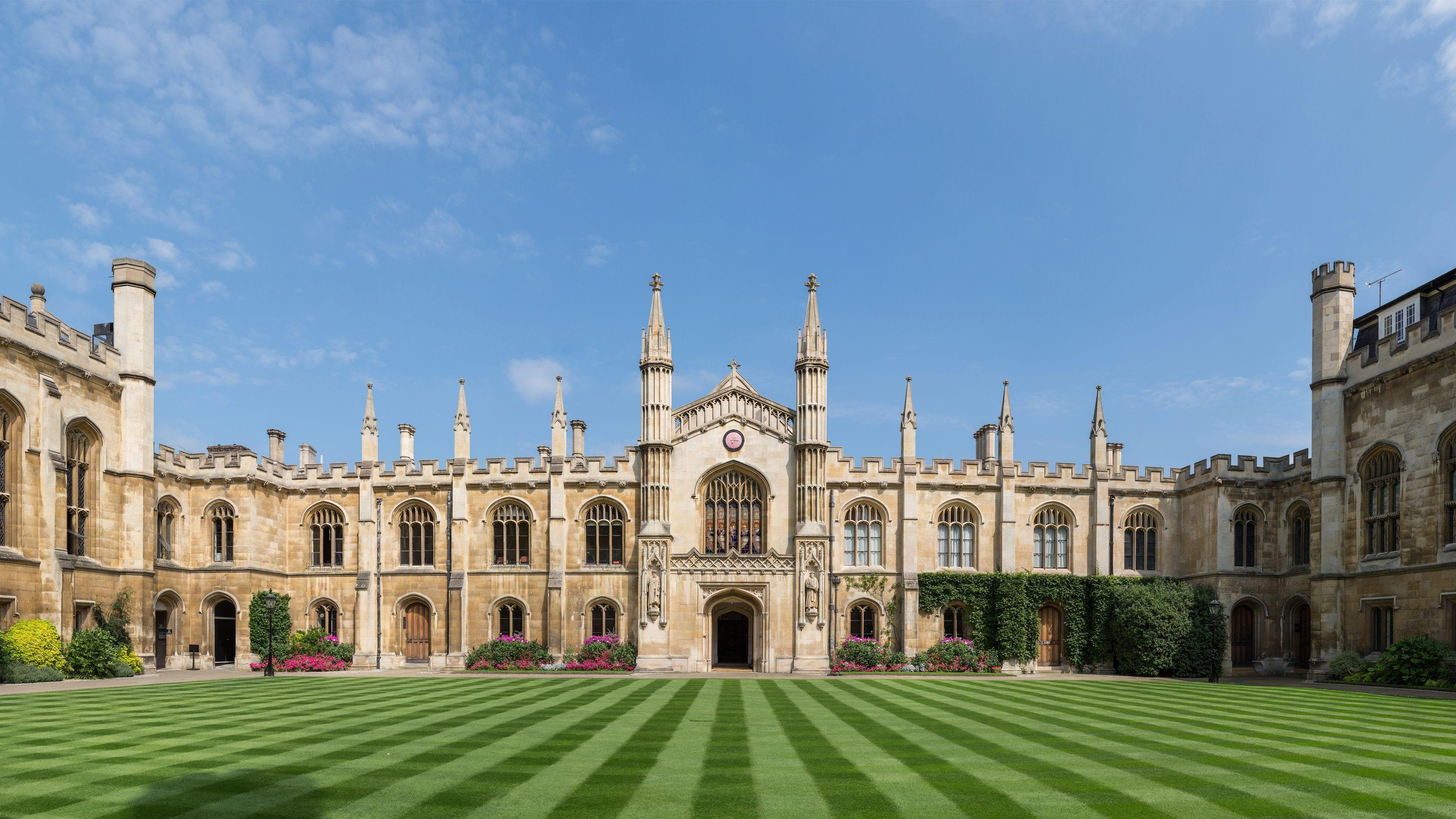
The University of Denver balances rigorous academic programs with hands-on civic involvement. Situated in Colorado's capital, the institution operates at the intersection of classroom learning and public service, preparing students to tackle real-world challenges before they graduate.
If you're evaluating higher education options or researching institutional models that prioritize both scholarship and local impact, understanding how the University of Denver structures its programs matters. Let's examine how academic rigor and community initiatives merge on this campus.
The Architecture of Academic Excellence
Academic standards at the institution rely on a distinctive framework designed to give students ownership over their educational paths. Rather than pushing learners through rigid, one-size-fits-all tracks, the curriculum encourages cross-disciplinary exploration and active inquiry.
The 4D Experience Model
A core driver of student success is the structured approach known as the 4D Experience. This framework supports learners across four distinct dimensions:
- Advance intellectual growth through challenging coursework and faculty mentorship.
- Explore character and purpose by connecting personal values to career paths.
- Prioritize well-being through physical, mental, and emotional support networks.
- Prepare for professional life via internships, research projects, and networking.
Faculty members act as guides rather than distant lecturers. Small class sizes allow professors to know students by name, fostering an environment where critical thinking and debate replace passive note-taking.
Undergraduate and Graduate Pathways
Undergraduate students choose from dozens of majors across arts, humanities, business, and sciences, often combining disciplines to match specific career goals. The University of Denver undergraduate admission process looks beyond test scores, evaluating each applicant's potential for leadership and curiosity.
Graduate programs follow a similar trajectory. The graduate council monitors curricula closely to prevent program duplication while maintaining high professional standards across professional schools, law, social work, and international studies.
Driving Impact Through Community Engagement
Rigorous academics don't happen in a vacuum. The institution ties classroom lessons directly to local and global communities through specialized centers and structured programs.
The Center for Community Engagement
The Center for Community Engagement to Advance Scholarship and Learning (CCESL) serves as the backbone for public-good initiatives. It coordinates faculty research, student volunteering, and neighborhood partnerships using a collaborative impact model.
Instead of imposing external solutions, programs focus on listening to community needs. Students work alongside local nonprofits, government agencies, and grassroots organizations to address systemic issues like food security, education gaps, and environmental sustainability.
Division of Community Support and Engagement
Support structures extend beyond academics into daily campus life. The Division of Community Support and Engagement (CSE) operates spaces like the Community Commons, offering resources such as:
- Student-run food pantries and care closets.
- Affinity groups and cultural support networks.
- Professional development workshops for emerging scholars.
These initiatives ensure that student well-being remains central to the institutional mission, creating a culture where diverse backgrounds are valued and included.
Experiential Learning Beyond the Lecture Hall
Theoretical knowledge gains power when applied in the field. The institution integrates practical experience into standard graduation requirements, ensuring graduates enter the workforce with proven skills.
Research and Internships
Undergraduates don't have to wait for graduate school to conduct original research. Faculty members routinely invite students to join labs, historical archives, and policy think tanks. Located in Denver, the campus offers immediate access to corporate headquarters, government offices, and cultural institutions, making local internships a natural extension of coursework.
Global Opportunities
Education stretches past city limits through study abroad traditions. A large percentage of the student body participates in international programs, gaining global perspectives that enrich their classroom discussions and career readiness.
Common Misconceptions About Private Universities
Navigating higher education choices often brings up myths about cost, accessibility, and campus culture. Let's clear up a few common misunderstandings regarding private institutions like this one.
- Myth: Private universities isolate students from local communities. In reality, embedded civic engagement programs ensure students interact daily with local neighborhoods through service learning and advocacy.
- Myth: Admissions focus solely on standardized test scores. Holistic review processes prioritize overall lived experiences, extracurricular leadership, and personal essays.
- Myth: Financial aid is minimal. Most attending students receive some form of institutional scholarship or grant assistance, reducing the gap between public and private tuition costs.
Frequently Asked Questions
What makes the curriculum different from traditional universities?
The emphasis on the 4D Experience ensures students develop professionally, intellectually, and personally at the same time, supported by small class sizes and active faculty mentorship.
How do students participate in community service?
Through CCESL, students can join structured service-learning classes, volunteer with local nonprofits, or participate in collective impact projects focused on regional challenges.
Are research opportunities available for undergraduates?
Yes. Undergraduates frequently collaborate with faculty on funded research projects, scientific studies, and policy analyses, giving them an advantage when applying for jobs or graduate programs.
How does the university support student well-being?
The Division of Community Support and Engagement provides holistic resources, including mental health services, physical health clinics, affinity spaces, and basic needs support like the campus food pantry.



