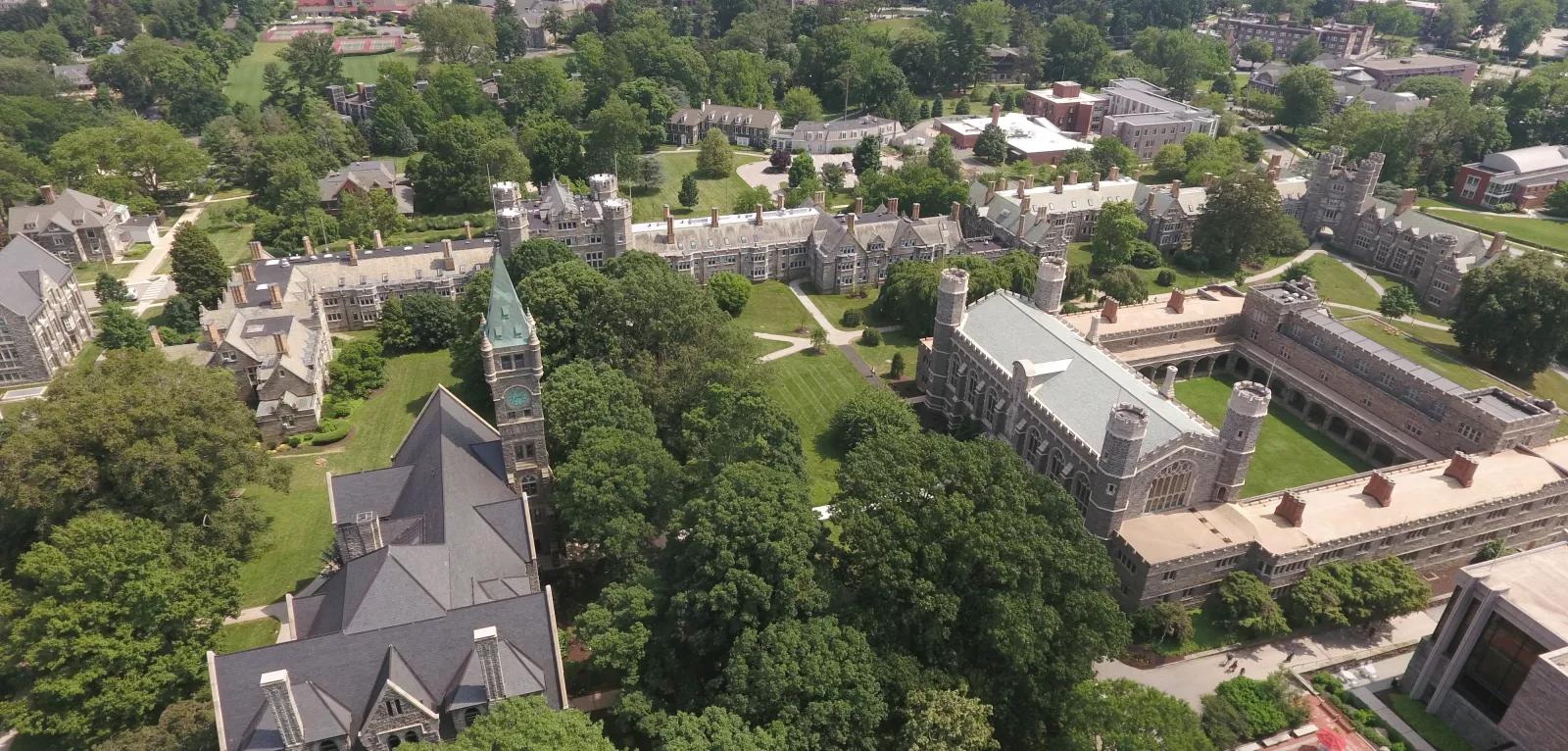
The University at Buffalo (UB) operates as the largest and most comprehensive public research institution within the State University of New York (SUNY) system. Spanning two main campuses across Buffalo and Amherst, New York, UB enrolls over 31,000 students across 14 distinct schools and colleges. As an R1 doctoral university with very high research activity and a member of the Association of American Universities, UB combines a comprehensive public land-grant mission with global academic reach.
Choosing the right public research university requires looking beyond generic rankings to examine specific program strengths, campus dynamics, and regional economic impact. Whether you're evaluating undergraduate admissions, graduate research opportunities, or campus life in Western New York, understanding how UB's academic structure functions helps clarify what the institution offers.
Academic Structure and Flagship Programs
UB's academic enterprise spans more than 300 degree programs across undergraduate, graduate, and professional levels. The university is organized into 14 schools and colleges, each maintaining distinct admissions criteria and research facilities.
The Jacobs School of Medicine and Biomedical Sciences anchors the university's health science programs, operating from a downtown Buffalo campus integrated with major medical partners like Kaleida Health and Roswell Park Comprehensive Cancer Center. Alongside medicine, the School of Engineering and Applied Sciences stands as one of the largest units, housing robust departments in civil, mechanical, computer, and environmental engineering.
Other notable divisions include the School of Management, the School of Pharmacy and Pharmaceutical Sciences, and the College of Arts and Sciences. Interdisciplinary collaboration is emphasized across these units, allowing students to combine technical fields like data science with traditional humanities or public health research.
Campus Infrastructure: North vs. South
The university operates primarily across two distinct campuses, each offering a fundamentally different physical environment and student experience.
The North Campus (Amherst)
Located in the suburban town of Amherst just north of Buffalo, the North Campus serves as the primary hub for undergraduate education. Spanning over 1,000 acres, it features modern architectural styles, sprawling academic quads, extensive residence complexes, and the central UB Libraries system. Major athletic facilities, including Alumni Arena and UB Stadium, are also stationed here.
The South Campus (Buffalo)
Situated within the city limits of Buffalo, the historic South Campus retains classic Collegiate Gothic architecture. This campus houses the School of Architecture and Planning, the School of Public Health and Health Professions, and several health science clinical departments. Its urban location connects students directly to city neighborhoods, public transit lines, and local community resources.
Student Life and Campus Culture
With a student body representing all 50 states and over 100 countries, UB fosters a diverse and active campus community. More than 300 student-run organizations operate on campus, ranging from professional societies and academic honoraries to cultural clubs and recreational groups.
On-campus housing ranges from traditional corridor-style residence halls on the South Campus to modern suite-style complexes and apartment communities on the North Campus. For sports fans, the UB Bulls compete at the NCAA Division I level within the Mid-American Conference (MAC), drawing crowds to football games at UB Stadium and basketball matchups at Alumni Arena.
Economic Impact and Regional Integration
UB serves as the single largest employer in Western New York, generating billions of dollars in annual economic activity. Through initiatives like the UB Innovation Hub and various startup incubators, the institution actively translates academic research into commercial ventures and local jobs.
Research centers such as the New York State Center of Excellence in Bioinformatics and Life Sciences provide students and faculty with direct ties to regional biotech industries. This integration ensures that academic study intersects with practical workforce development and urban revitalization efforts across the Buffalo-Niagara region.
Frequently Asked Questions
Is the University at Buffalo part of the Ivy League or SUNY?
UB is part of the State University of New York (SUNY) system, not the Ivy League. It is a public flagship university and a member of the Association of American Universities (AAU).
What is the difference between SUNY Buffalo and Buffalo State University?
They are entirely separate institutions. UB is a major R1 public research university with over 31,000 students, whereas Buffalo State University is a separate comprehensive college within the SUNY system focused primarily on undergraduate education and smaller student enrollments.
What are UB's primary athletic colors and mascot?
UB's athletic teams are known as the Bulls, and the official school colors are royal blue and white.
Does UB offer housing for upperclassmen and graduate students?
Yes. UB provides a variety of on-campus apartment options, such as Flint Village and Hadley Village on the North Campus, alongside off-campus housing resources managed through UB Campus Living.



