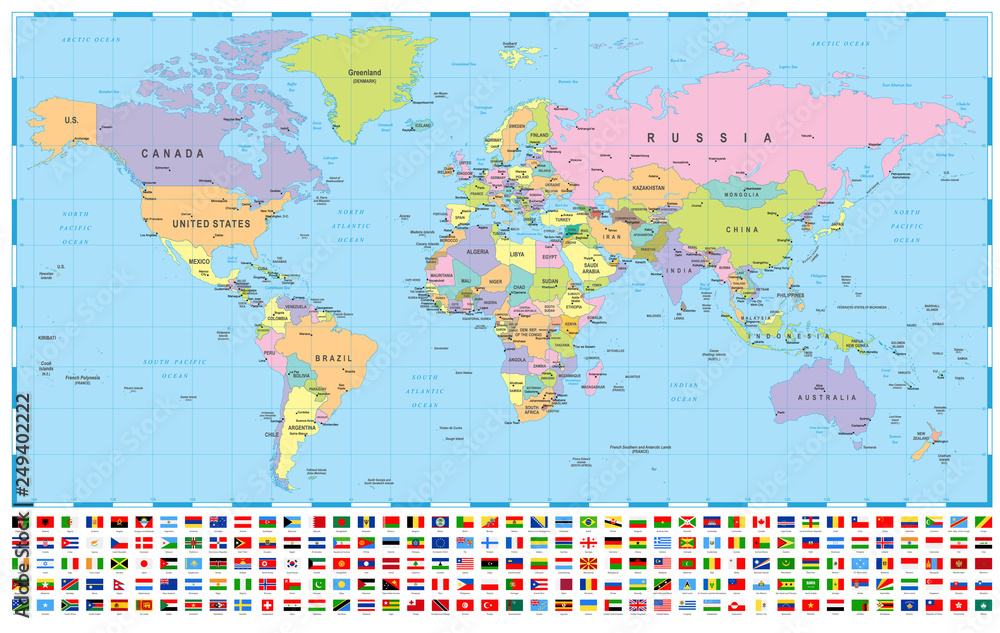
The sovereign state commonly known as Britain or the UK carries an official designation that spans 54 characters: United Kingdom of Great Britain and Northern Ireland. While various micro-nations and federal republics hold lengthy monikers in local dialects, this title stands as the longest among major globally recognized sovereign states in the United Nations General Assembly.
Understanding why this name exists requires looking past common colloquialisms into centuries of territorial acquisition, treaties, and parliamentary acts. The full moniker isn't just bureaucratic filler; it's a legal snapshot of how four distinct administrative regions merged, fractured, and settled into their modern borders.
Anatomy of the Title: Breaking Down Every Word
Every single term in the formal designation serves a specific constitutional or geographical purpose. Dropping any single component alters the legal accuracy of the state being referenced.
- United: Indicates the political unification of separate historical crowns and parliaments rather than a single homogenous territory.
- Kingdom: Identifies the form of government as a constitutional monarchy under a reigning king or queen.
- of Great Britain: References the largest island in the British archipelago, which physically contains England, Scotland, and Wales.
- and Northern Ireland: Acknowledges the specific portion of the neighboring island of Ireland that remained within the state after 1922.
In international law, using the complete phrase prevents diplomatic ambiguity. When UK Treaties Online registers international agreements, the full title ensures that obligations bind the exact political entity defined by parliament.
The Legislative Evolution: How the Name Was Built
The length of the modern title is the cumulative result of three major constitutional shifts over three hundred years.
1707: The Kingdom of Great Britain
The UK Parliament Acts of Union 1707 legally merged the Kingdom of England (which already incorporated Wales via the 16th-century Laws in Wales Acts) and the Kingdom of Scotland. This created a single unified parliament in Westminster and established the geographical descriptor "Great Britain."
1801: The United Kingdom of Great Britain and Ireland
Following the suppression of the Irish Rebellion of 1798, the British government pushed through the Act of Union 1800. This dissolved the Parliament of Ireland and merged the island of Ireland directly into the British state, changing the official title to the United Kingdom of Great Britain and Ireland.
1927: The Modern Partition Title
The Anglo-Irish Treaty of 1921 concluded the Irish War of Independence, establishing the Irish Free State (later the Republic of Ireland) across 26 counties. The remaining six northeastern counties stayed in the union. To reflect this partitioned reality, the Royal and Parliamentary Titles Act 1927 officially altered the state name to the United Kingdom of Great Britain and Northern Ireland.
Common Misconceptions: Geography vs. Political State
People frequently confuse the overlapping geographical and political terms used across the British Isles. Mixing these up leads to common conversational errors.
- Great Britain vs. United Kingdom: Great Britain is strictly a geographical landmass comprising England, Scotland, and Wales. It has no government, no passport, and no seat at the UN. The United Kingdom is the sovereign political state.
- The British Isles: This is a purely geographical archipelago term that includes the UK, the Republic of Ireland, and self-governing Crown Dependencies like the Isle of Man and the Channel Islands (Jersey and Guernsey).
- The British Crown Dependencies: Jersey, Guernsey, and the Isle of Man are not part of the UK, nor are they represented in the UK parliament, despite sharing the British monarch as head of state.
Where the Long Name Actually Matters
You won't hear citizens using the full 54-character title at a corner shop or local pub. In everyday life, abbreviations rule. However, three specific sectors rely exclusively on the formal designation:
International Law and Treaties
When the state signs bilateral agreements, trade pacts, or human rights conventions, the full legal title must appear on the parchment. This avoids any legal loopholes regarding jurisdiction or devolved powers.
Passports and Citizenship
Inside your British passport, the issuing authority is listed under the full formal title. This establishes citizenship rights across international borders and dictates consular protection standards defined by the Foreign, Commonwealth & Development Office.
Constitutional Legislation
Acts of Parliament begin with enacting words that explicitly reference the Crown and the realm's legal boundaries. If a bill amends national devolution settlements for Scotland, Wales, or Northern Ireland, it must formally recognize the sovereign entity it governs.
Frequently Asked Questions
Is the UK the absolute longest country name in the world?
No. While it holds the title among major Western UN member states, countries like the Republic of the Union of Myanmar or the Democratic Republic of the Congo rival or exceed it in character length depending on the official translation used in diplomatic registries.
Why is Wales not mentioned in the official name?
Wales was annexed and integrated into the Kingdom of England through the 16th-century Acts of Union. Because Welsh administration was legally absorbed into the English legal system centuries before the 1707 union with Scotland, Wales was never treated as a separate co-equal kingdom during the formation of modern Great Britain.
Does "Great Britain" mean it's physically greater than other islands?
In historical cartography, "Great" (from the French grande) was simply used to distinguish the larger island of Britain from "Little Britain," which was the historical English name for the Brittany region in modern-day France.
Can the name change again in the future?
Yes. If Scotland votes for independence or if Northern Ireland triggers a border poll to unify with the Republic of Ireland, parliament would have to pass new legislation updating the state's official nomenclature to reflect its new borders.



