Flying from Los Angeles International Airport (LAX) to Newark Liberty International Airport (EWR) is one of the premier transcontinental routes in the United States. United Airlines operates a heavy schedule of daily non-stop flights connecting these major hubs, serving both business flyers rushing for Monday morning meetings and leisure travelers heading to the New York metropolitan area. Understanding the operational rhythm of this route helps you secure better seats, avoid common delays, and make the most of your time in the air.
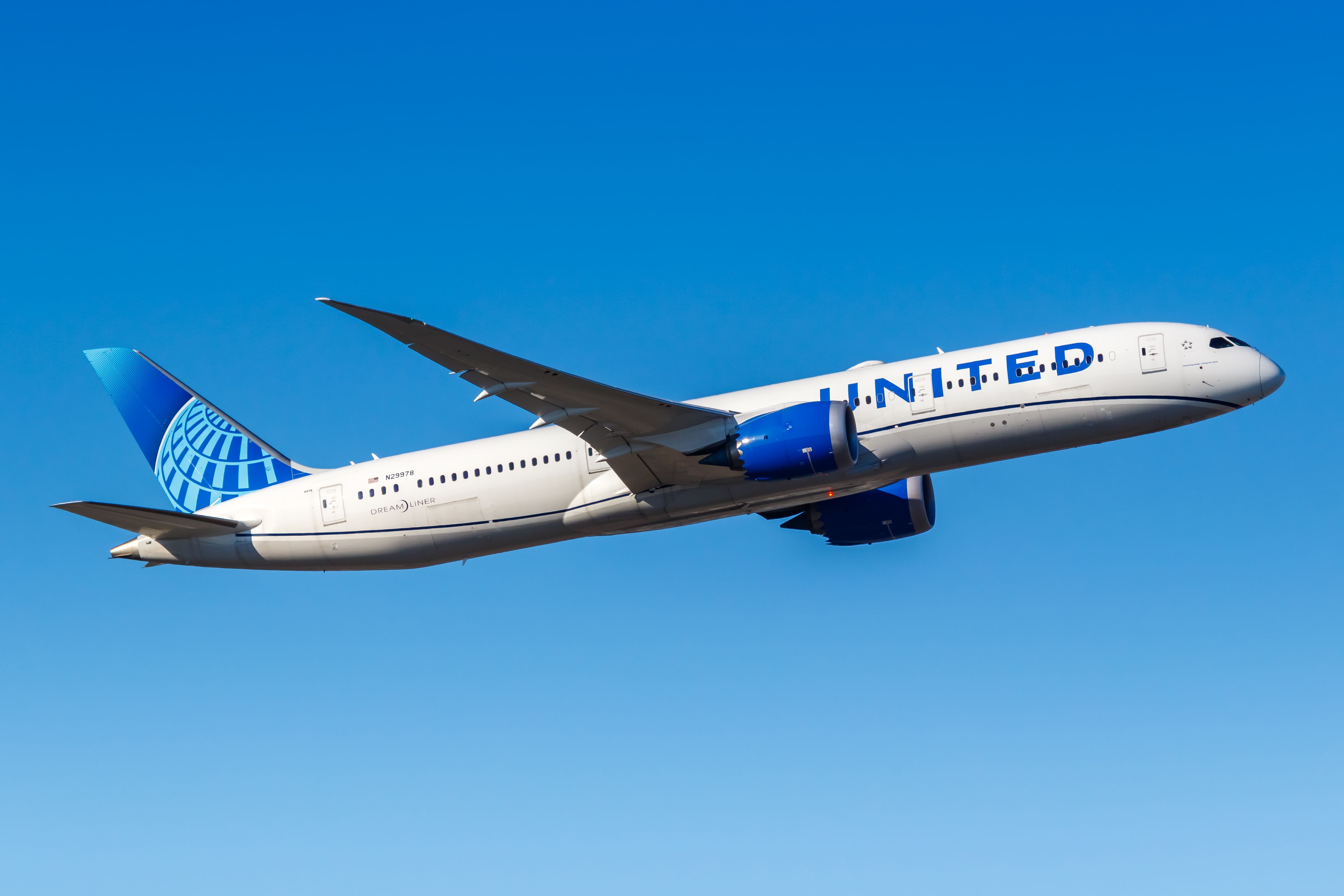
The flight distance between LAX and Newark spans roughly 2,447 miles, with an average airborne duration of about 5 hours and 20 minutes eastbound. Because Newark is one of United’s primary domestic and international gateways, the airline deploys a wide variety of aircraft on this corridor—ranging from premium-heavy Boeing 757s and Boeing 777s to widebody Boeing 787 Dreamliners. Whether you're booking your first transcontinental trip with United or you're a frequent flyer chasing MileagePlus status, knowing what to expect from the schedule, aircraft layout, and airport logistics changes the entire travel experience.
Flight Schedules and Frequency
United runs multiple daily non-stop frequencies between LAX and Newark, giving you plenty of flexibility. The first departure typically leaves LAX around 6:00 AM, catching the early morning business rush and landing at Newark just after 2:00 PM Eastern time. Throughout the day, departures are spaced out roughly every hour or two, stretching into late afternoon and evening banks that wrap up with red-eye options departing close to midnight.
Eastbound flights generally benefit from tailwinds associated with the jet stream, which regularly shaves 15 to 30 minutes off the expected flying time when conditions align. However, scheduling blocks usually account for standard air traffic control congestion in the New York airspace. Evening arrivals into Newark frequently face ground delay programs or holding patterns if thunderstorms roll across the tri-state area during summer months, or if winter nor'easters impact the northeast corridor.
Aircraft Types and Cabin Experiences
Unlike regional routes serviced entirely by cramped commuter jets, the LAX-to-EWR transcontinental artery features mainline aircraft equipped with multiple classes of service. United frequently rotates several distinct plane models onto this route:
- Boeing 757-200: A transcon workhorse outfitted with lie-flat United Polaris business class seats, United Premium Plus, Economy Plus, and standard economy.
- Boeing 777 and 787 Dreamliner variants: Larger widebody aircraft deployed on high-demand frequencies, offering enhanced cabin humidity, larger windows, and robust entertainment systems.
- Boeing 737 MAX and 737-900: Occasionally utilized during off-peak seasonal adjustments, featuring standard narrowbody configurations with seatback screens and power outlets.
If you book a premium transcon flight on the configured Boeing 757, you'll experience a dedicated premium cabin layout. Polaris seats offer direct aisle access and lie-flat capability, which transforms a five-hour daytime or evening hop into a restful journey. If you're seated in economy, aim for an Economy Plus seat near the front of the cabin to secure extra legroom and quicker deplaning upon arrival at Newark.
Navigating LAX and Newark Terminals
Navigating departure and arrival terminals requires a bit of pre-planning, as both airports undergo frequent gate adjustments.
At LAX, United primarily operates out of Terminal 7 and Terminal 8, with some flights utilizing regional gates. Terminal 7 houses the United Club, and eligible premium passengers or club members can access the United Polaris Lounge if traveling on qualifying international itineraries, though standard domestic transcon passengers rely on standard club amenities. Make sure to check your boarding pass on the United Airlines official site before heading to the airport, as gate changes can happen dynamically.
At Newark (EWR), United dominates Terminal C, which is divided into three concourses (A, B, and C hubs depending on current terminal mappings, with Terminal C acting as the primary massive United fortress). Terminal C features an extensive array of digital ordering food kiosks, sit-down restaurants, and multiple United Clubs. If you need to connect onward to Europe or domestic points across the Northeast, staying within the United terminal network keeps your connection smooth. Ground transportation options at Newark include the AirTrain connecting directly to New Jersey Transit and Amtrak rail services, providing a fast track into Manhattan without sitting in Lincoln Tunnel traffic.
Booking Tips and Strategies for the Route
Securing a comfortable trip on this popular trunk route comes down to timing and fare selection.
- Book early for premium cabins: Because corporate travelers heavily book the morning and late-afternoon departures, lie-flat business class seats sell out fast or command steep cash prices. Use your MileagePlus miles or PlusPoints early if you want an upgrade.
- Watch out for equipment swaps: United occasionally changes aircraft types based on fleet utilization. If you book a widebody or a dedicated 757 for the lie-flat experience, keep an eye on your reservation via the FAA air traffic dashboard or the United app to catch any last-minute gauge changes.
- Monitor the weather ahead: Newark is notoriously sensitive to low visibility and heavy volume delays. If thunderstorms are forecasted for the Northeast, try to grab the earliest morning departure available to minimize your risk of cascading delays.
You can also check real-time flight metrics or monitor consumer rights and delay patterns through resources like the U.S. Department of Transportation Air Travel Service Report. Being proactive about monitoring your flight status safeguards your schedule against unexpected disruptions.
Frequently Asked Questions
How long is the flight from LAX to Newark?
The scheduled block time typically ranges from 5 hours to 5 hours and 30 minutes for eastbound non-stop flights. Actual airborne time is often slightly shorter due to favorable tailwinds.
Which terminal does United use at LAX?
United primarily operates out of Terminal 7 and Terminal 8 at Los Angeles International Airport. Always verify your specific gate on the day of travel via your mobile boarding pass.
Does United fly widebody planes on this route?
Yes. United regularly schedules widebody aircraft such as the Boeing 777 and Boeing 787 Dreamliner alongside their premium-configured Boeing 757 fleet on select frequencies between LAX and EWR.
What is the best time of day to fly to avoid delays?
Morning departures—specifically the 6:00 AM or 7:00 AM banks—statistically experience fewer cascading delays because the aircraft has usually originated overnighting at LAX rather than waiting on an inbound flight from a congested eastern hub.


